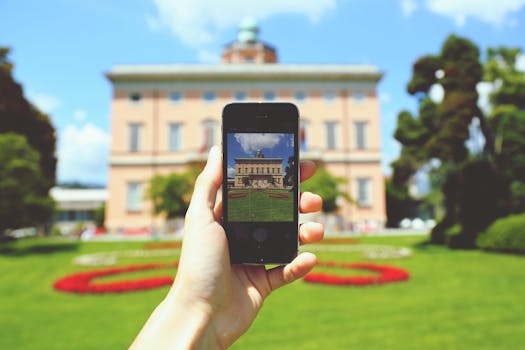
Traveling as a photographer, whether you're a beginner or a seasoned pro, offers a unique opportunity to capture landscapes, cityscapes, and cultures in ways that are both personal and universal. This guide is designed to help photographers of all levels bring back stunning images from their travels, effectively capturing the essence and beauty of their destinations.
Understanding Light and Time of Day
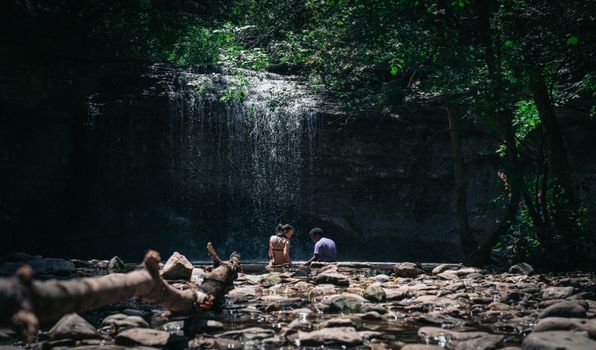
Light plays a pivotal role in photography. The soft, diffused light during the early morning and late afternoon, known as the "golden hours," can dramatically enhance your photos with a warm glow and long shadows. In contrast, the harsh midday sun can create unwanted glare and flat images. For landscapes, aim to capture the gentle light at dawn or the rich colors at sunset. In cities, the low sun can create mesmerizing patterns and contrasts on buildings, enhancing architectural photography.
Scouting Locations
Success in travel photography often begins with thorough preparation. Before you depart, research and identify potentially great photographic sites. Utilize online resources like Google Maps and Instagram to scout and plan your shoots. Upon arrival, take the time to explore the area on foot—this not only helps you get a feel for the place but also allows you to discover unique vantage points. Engaging with locals can also lead to discovering hidden gems that aren't on the typical tourist path.
The Rule of Thirds and Composition
The rule of thirds is a classic composition technique in photography. By dividing the frame into a three-by-three grid and aligning subjects with these lines or their intersections, you can create more balanced and engaging images. Beyond this, look for leading lines, patterns, and symmetry in the environment, which can help guide the viewer’s eye and add depth to your photos.
Packing the Right Equipment
Choosing the right gear is crucial. A reliable tripod is essential for sharp images in low-light conditions. A selection of lenses can provide versatility—wide-angle lenses are ideal for expansive scenes, while telephoto lenses are great for capturing distant details. If your travels involve rugged conditions, consider weather-sealed equipment. Always carry extra batteries, memory cards, and a lens cleaning kit.
Adjusting Settings for Different Scenarios
Understanding how to manipulate your camera’s settings is crucial and can greatly affect the quality of your photos. Experiment with different ISO, aperture, and shutter speed settings to match the lighting conditions and the artistic effect you wish to achieve. For example, use a higher ISO in low light, a wide aperture to isolate subjects with a shallow depth of field, and a slow shutter speed to blur motion effectively.
Patience and Persistence
Patience is often your best companion in photography. Wait for the perfect lighting, for a scene to unfold, or for the crowd to disperse. Returning to a location several times can be beneficial; the varying conditions might reveal new perspectives and opportunities for great shots.
Post-Processing
Post-processing can transform good photos into great ones. Tools like Adobe Lightroom and Photoshop allow you to adjust exposure, contrast, and color balance. While it’s important to retain a natural look, subtle enhancements can highlight the details and mood of your captures.
Respecting the Environment and Culture
It’s vital to conduct photography ethically, respecting both the environment and the local cultures. Always seek permission before photographing people, particularly in sensitive contexts. Be environmentally conscious, ensuring that your presence does not harm the landscapes or wildlife you are there to enjoy and capture.
Conclusion
Capturing the perfect shot while traveling requires a mix of technical expertise, creative insight, and thoughtful planning. By mastering the art of timing, composition, and camera settings, and by respecting the subjects and spaces you photograph, you can produce compelling images that convey the spirit of your journeys. Embrace each moment, stay flexible, and enjoy the process of creating and capturing new experiences.