Travel Guide to Vietnam: Experiencing the Hidden Charm
Vietnam is a land where ancient culture meets breathtaking landscapes, and where every bustling city and tranquil village holds stories waiting to be discovered. While its world-famous destinations like Ha Long Bay and Ho Chi Minh City draw millions each year, Vietnam’s real allure lies in its lesser-known corners, vibrant traditions, and the warm hospitality of its people. This travel guide takes you beyond the postcard highlights and into the heart of Vietnam’s hidden charm — from secret mountain retreats and untouched beaches to centuries-old craft villages and culinary gems.
The Unexplored North: Mountain Villages and Ethnic Encounters
Northern Vietnam is a treasure trove of dramatic scenery and cultural diversity. While Sapa is now a popular trekking destination, the region’s real magic is found in its less-touristed areas such as Ha Giang and Cao Bang.
Ha Giang, located near the Chinese border, is home to winding mountain passes and deep valleys carved by the emerald Nho Que River. The Ma Pi Leng Pass is considered one of the most stunning drives in Southeast Asia, offering panoramic views at 1,500 meters above sea level. This province is also the gateway to Vietnam’s most diverse ethnic mosaic, with 17 different minority groups, including the Hmong, Dao, and Tay, each preserving unique customs, textiles, and architectures. Travelers can stay in family-run homestays, join local markets like Dong Van’s Sunday Bazaar, and experience authentic festivals such as the Khau Vai Love Market.
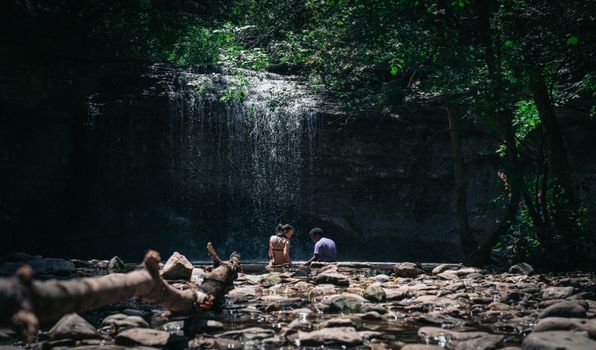
Further east, Cao Bang boasts the spectacular Ban Gioc Waterfall, the largest in Vietnam and among the top four largest border waterfalls in the world. Far fewer tourists visit Cao Bang compared to other regions, making it ideal for those seeking solitude amidst nature and a chance to immerse in rural Vietnamese life.
Central Vietnam’s Ancient Towns and Coastal Secrets
Central Vietnam is renowned for its UNESCO Heritage Sites, but beyond Hoi An and Hue, a world of hidden gems awaits. The quaint town of Quy Nhon, for instance, is often overlooked despite its golden beaches and relaxed pace. With over 42,000 hotel rooms and an emerging culinary scene, Quy Nhon is becoming a destination for travelers seeking authenticity without the crowds.
Nearby, the Cham Islands (Cu Lao Cham) form a biosphere reserve recognized by UNESCO. With a population of less than 3,000, these islands offer pristine beaches, crystal-clear snorkeling waters, and coral reefs home to more than 135 species of coral and 202 species of fish. Fishing villages like Bai Lang and Bai Huong provide a glimpse into traditional maritime life.
Another hidden treasure is the ancient town of Tam Ky, where the mural village of Tam Thanh showcases over 100 vibrant wall paintings created by Vietnamese and Korean artists. Here, visitors can enjoy a slower pace, cycle through rice paddies, and sample mi Quang — a local noodle delicacy dating back to the 16th century.
The Mekong Delta: Floating Markets and Rural Wonders
Southern Vietnam’s Mekong Delta, often called the “Rice Bowl of Vietnam,” covers an area of over 40,500 square kilometers and is interlaced with rivers, swamps, and islands. While Can Tho’s Cai Rang floating market is famous, dozens of smaller, lesser-known markets such as Nga Nam and Long Xuyen provide a less commercial and more local experience. Here, the daily lives of traders unfold atop wooden boats laden with tropical fruits, vegetables, and flowers.
Travelers can explore the delta’s labyrinth of waterways by sampan, visit eco-friendly homestays, or join community-based tourism initiatives focused on sustainability. The Tra Su Cajuput Forest near Chau Doc is a haven for birdwatchers, with over 140 species of birds and rich biodiversity. For those interested in history and architecture, the town of Sa Dec features French colonial mansions, including the Huynh Thuy Le house, inspiration for Marguerite Duras’ novel “The Lover.”
Vietnamese Cuisine: Beyond Pho and Banh Mi
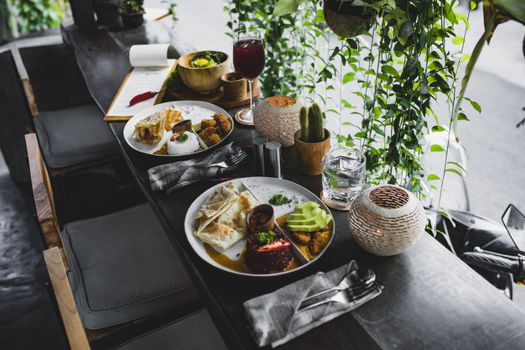
Vietnamese food is celebrated worldwide, but each region harbors its own specialties rarely found outside the country. In the north, try cha ca — grilled turmeric fish served with dill and noodles, a dish that originated in Hanoi over a century ago. In the central highlands, the city of Buon Ma Thuot is renowned for its robust coffee, producing over 40% of Vietnam’s total coffee output. Sample ca phe trung (egg coffee), a creamy concoction that’s both decadent and energizing.
The Mekong Delta offers flavors influenced by Khmer and Chinese traditions, such as banh xeo (crispy pancakes) and hu tieu (clear rice noodle soup). Coastal towns like Nha Trang serve up fresh seafood, including grilled lobsters and sea urchins, while the unique bun cha ca (fish cake noodle soup) is a specialty in Da Nang.
To showcase regional diversity, here’s a comparison table of Vietnamese culinary highlights:
| Region | Signature Dish | Main Ingredients | Approximate Price (USD) |
|---|---|---|---|
| North (Hanoi) | Cha Ca | Grilled fish, dill, noodles, peanuts | 4-6 |
| Central (Da Nang) | Bun Cha Ca | Fish cakes, noodles, herbs | 2-3 |
| South (Saigon) | Com Tam | Broken rice, grilled pork, egg | 1.5-2.5 |
| Mekong Delta | Banh Xeo | Rice flour, shrimp, pork, bean sprouts | 1-2 |
| Central Highlands | Ca Phe Trung | Egg yolk, robusta coffee, condensed milk | 1-1.5 |
Hidden Beaches and Nature Escapes
While many flock to Nha Trang or Da Nang for their beaches, Vietnam boasts over 3,260 kilometers of coastline, dotted with secluded coves and untouched islands. The Con Dao archipelago, 230 kilometers off the southern coast, consists of 16 islands known for their powdery beaches, turtle nesting grounds, and crystal-clear waters. Con Dao is also steeped in history, with former prison sites from the French colonial era now open as museums.
Ly Son Island in Quang Ngai Province is another hidden gem, famous for its volcanic landscapes and garlic fields. With fewer than 25,000 residents, the island offers a peaceful escape and opportunities for hiking, snorkeling, and sampling local seafood like grilled sea urchin and garlic salad.
For nature lovers, Phong Nha-Ke Bang National Park in Quang Binh Province is home to over 300 caves and grottoes, including Son Doong — the world’s largest cave, with its own ecosystem and weather system. Only about 1,000 people have ever set foot inside Son Doong since it opened to limited tours in 2013, making it one of the rarest travel experiences on the planet.
Practical Tips for an Authentic Vietnamese Adventure
To make the most of Vietnam’s hidden charm, consider these practical travel tips:
1. Travel by Train or Motorcycle: Vietnam’s Reunification Express railway covers 1,726 kilometers from Hanoi to Ho Chi Minh City, passing through scenic regions often missed by air travelers. Renting a motorcycle is a popular option for exploring rural areas at your own pace—over 45 million motorcycles traverse Vietnam’s roads! 2. Visit in the Shoulder Seasons: The best months for diverse weather are March-April and September-November, when temperatures range from 20°C to 30°C and rainfall is moderate. 3. Support Local Communities: Opt for community-based tours, eco-lodges, and local markets to ensure your travel benefits local families and preserves cultural heritage. 4. Learn Key Phrases: A few Vietnamese words go a long way. “Xin chào” (hello), “Cảm ơn” (thank you), and “Bao nhiêu tiền?” (how much?) are useful in daily interactions. 5. Be Respectful: Dress modestly when visiting temples or rural areas, and always ask permission before photographing people, especially in ethnic minority communities.Conclusion: Embrace Vietnam’s Hidden Wonders
Vietnam’s hidden charm lies in its contrasts — soaring mountains and tranquil deltas, ancient towns and modern metropolises, time-honored traditions and ever-evolving cuisine. By venturing off the beaten path, travelers are rewarded with unforgettable encounters, natural beauty, and a deeper understanding of the country’s rich cultural tapestry. Whether you’re trekking through misty highlands, savoring street food in a lantern-lit alley, or drifting along the Mekong at sunrise, Vietnam’s warmth and authenticity will leave a lasting impression. Start planning your adventure, and discover the Vietnam that few outsiders ever see.