The Most Breathtaking Tropical Beach Locations You’ve Never Heard Of
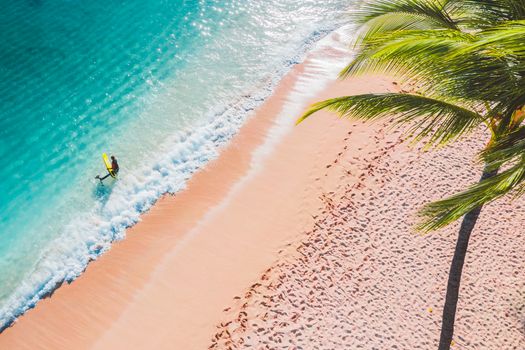
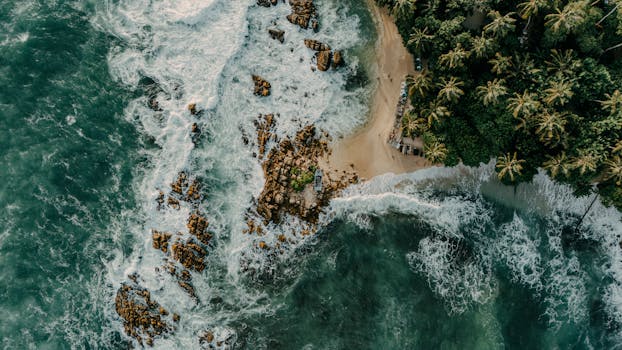
There’s something universally magical about a tropical beach: sun-kissed sands, turquoise waters, and lush green backdrops. But while iconic names like the Maldives, Bora Bora, and Maui draw millions of annual visitors, the world is still dotted with lesser-known tropical beach paradises that remain blissfully off the radar. For the adventurous traveler seeking serene beauty, vibrant local culture, and solitude away from the crowds, these hidden gems offer a rare glimpse of paradise untouched by mass tourism.
This guide uncovers the most breathtaking tropical beach locations you’ve likely never heard of, exploring their unique charms, ecological significance, and practical travel tips. Prepare to be inspired by secret stretches of coastline that prove paradise isn’t always found in the guidebooks.
Why Seek Out Lesser-Known Tropical Beaches?
Popular beaches are famous for a reason—their natural beauty, accessibility, and amenities. But their popularity comes at a price: crowded shores, higher costs, and environmental stress. In contrast, lesser-known tropical beaches offer unique advantages for discerning travelers.
1. Solitude and Serenity: Beaches like Whitehaven in Australia receive over 750,000 visitors annually. By contrast, many hidden gems see only a few hundred or thousand visitors each year, ensuring peaceful surroundings. 2. Authentic Local Culture: Smaller, less visited beaches often mean closer connections with local communities, traditions, and cuisine, offering a more immersive travel experience. 3. Unspoiled Nature: Limited tourist traffic helps preserve fragile ecosystems, protecting rare wildlife and pristine landscapes.According to the United Nations World Tourism Organization, over-tourism threatens nearly 10% of the world’s most popular beaches, leading to erosion, pollution, and habitat loss. Seeking out hidden beaches isn’t just a treat for the senses—it’s a responsible travel choice.
Top 5 Breathtaking Hidden Tropical Beach Locations
Ready to explore what you’ve been missing? Here are five of the most spectacular tropical beach locations you’ve probably never heard of—but will be dreaming about soon.
1. $1 While Spain is famous for its Mediterranean and Balearic island beaches, the northwestern coast hides a surreal gem. Playa de las Catedrales (Beach of the Cathedrals) features soaring rock arches, natural caves, and golden sands revealed at low tide. Though not as warm as the Mediterranean, the dramatic tides and remote setting offer a unique, photogenic escape. 2. $1 Located off Madagascar’s northwest coast, Nosy Iranja consists of two small islands joined by a narrow sandbar that’s only visible at low tide. Surrounded by crystal-clear water and coral reefs teeming with marine life, it’s a nesting site for endangered green sea turtles. Only a handful of eco-lodges and day tours operate here, meaning you might have the entire beach to yourself. 3. $1 Also known as Paradise Island, this tiny sandbank off the Dominican Republic’s northern coast is accessible only by boat. Snorkelers and divers are treated to vibrant coral gardens and tropical fish, while the powdery white sand is perfect for sunbathing. With no permanent structures or crowds, it offers a Robinson Crusoe experience. 4. $1 While Thailand’s beaches are globally famous, Koh Kradan remains a tranquil outpost in the Andaman Sea. It’s part of Hat Chao Mai National Park, with soft sand, gentle waves, and a vibrant coral reef just meters offshore. There are a handful of eco-friendly resorts, but the island remains blissfully quiet compared to nearby Koh Lanta or Koh Phi Phi. 5. $1 On Isla Colón in the Bocas del Toro archipelago, Playa Estrella (Starfish Beach) is aptly named for its abundance of colorful sea stars. Shallow, calm water makes it ideal for swimming and snorkeling. Despite its beauty, it’s far less crowded than the region’s more famous Red Frog Beach.Ecological Wonders and Conservation Efforts
Many hidden tropical beaches are found in protected areas or marine reserves, playing a crucial role in conserving biodiversity. For instance:
- $1 is a vital nesting ground for green turtles, which are classified as endangered. Conservation projects here focus on monitoring nests, educating locals, and minimizing development. - $1 is part of a national park, helping protect its rainforests, mangroves, and coral reefs. Visitor numbers are limited, and most accommodations follow strict sustainability guidelines to preserve the fragile ecosystem. - $1 is home to the iconic Panamanian cushion sea star. Local guides educate visitors on safe, respectful interaction—handling sea stars is discouraged to protect them from stress and disease.According to the International Union for Conservation of Nature (IUCN), marine protected areas now cover 7.74% of the world’s oceans, up from just 2.7% a decade ago. Visiting these hidden beaches supports conservation efforts and responsible tourism initiatives.
How to Reach These Secret Paradises
One reason these beaches remain under the radar is their relative inaccessibility. Here’s how to reach each destination:
| Beach | Nearest Airport | Travel Method | Best Time to Visit |
|---|---|---|---|
| Playa de las Catedrales | A Coruña (LCG), Spain | Car or train to Ribadeo, short drive | June–September (warmer weather) |
| Nosy Iranja | Fascene (NOS), Nosy Be, Madagascar | Boat transfer from Nosy Be | May–October (dry season) |
| Playa de Cayo Arena | Gregorio Luperón (POP), Dominican Republic | Car to Punta Rucia, boat to island | December–April (dry, sunny) |
| Koh Kradan | Trang (TST), Thailand | Car to Pak Meng Pier, ferry to island | November–April (dry season) |
| Playa Estrella | Bocas del Toro (BOC), Panama | Water taxi or shuttle from Bocas Town | February–April, September–October |
Travelers should check local transportation schedules, as boat and ferry services may vary by season or weather. Booking accommodations in advance is advised, as lodging is often limited.
Local Culture and Unique Experiences
Beyond their natural beauty, these hidden beaches offer authentic cultural experiences that set them apart from mainstream destinations.
- $1: Enjoy fresh Galician seafood, visit quaint fishing villages, and explore Celtic heritage sites. - $1: Participate in traditional Malagasy feasts, watch local fishermen at work, or join a sea turtle conservation walk. - $1: Savor local Dominican fare, meet fishermen who pilot the island’s tiny boats, or take a merengue dance lesson. - $1: Sample spicy southern Thai curries, snorkel with local guides, or visit nearby islands like Koh Muk and the Emerald Cave. - $1: Sip fresh coconut water, listen to Caribbean reggae, and chat with Ngäbe-Buglé artisans selling handcrafted jewelry.These destinations invite travelers to slow down, unplug, and connect with both nature and community—an experience increasingly rare in today’s hyper-connected world.
Tips for Responsible and Rewarding Travel
Hidden tropical paradises are delicate environments, often without the infrastructure to handle mass tourism. Here’s how to make your visit meaningful and sustainable:
- $1: Bring reef-safe sunscreen, reusable water bottles, and eco-friendly toiletries. - $1: Dress modestly when outside beach areas, and learn a few basic phrases in the local language. - $1: Take all trash with you, avoid collecting shells or coral, and never touch or disturb wildlife. - $1: Stay in family-run guesthouses, eat at local restaurants, and choose community-guided tours. - $1: If you post photos online, consider omitting exact locations to help preserve the beach’s tranquility.By traveling thoughtfully, you help ensure these breathtaking beaches remain unspoiled for future generations.
Final Reflections: Discovering the World’s Unknown Tropical Paradises
There’s no shortage of spectacular coastlines in the world, but the most breathtaking tropical beaches often lie far from the spotlight. From the dramatic cliffs of Playa de las Catedrales to the starfish-studded shores of Playa Estrella, these hidden gems offer not only beauty but also a rare sense of discovery.
As overtourism becomes a growing concern, seeking out lesser-known destinations is more than an escape—it’s a way to travel responsibly, support local cultures, and protect the planet’s most precious ecosystems. Whether you’re planning a solo adventure, a romantic getaway, or a family journey, these secret beach paradises promise memories—and sunsets—you’ll never forget.