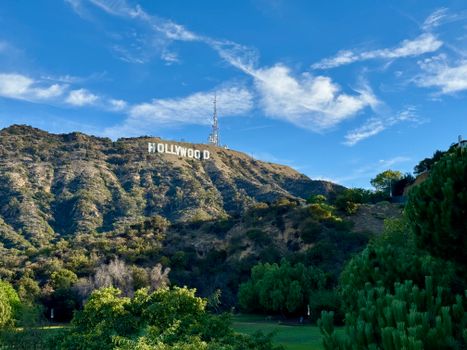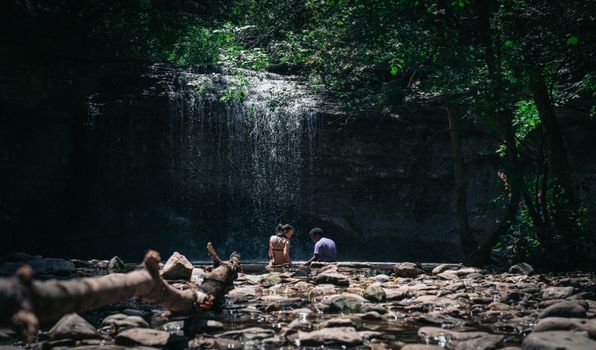
Hollywood is synonymous with glitz, glamour, and the iconic Walk of Fame, but nestled within its urban expanse lies a surprising tapestry of natural escapes. For those who crave a breath of fresh air amid the city’s creative buzz, Hollywood’s lesser-known outdoor spots offer a rare blend of tranquility and cinematic charm. From hidden gardens to secret wildlife corridors, discover how nature quietly thrives in the heart of Tinseltown. Whether you’re a local looking for solitude or a visitor seeking a unique experience, these urban oases offer a refreshing perspective on Hollywood’s vibrant landscape.
The Surprising Biodiversity in Hollywood’s Urban Core
At first glance, Hollywood’s bustling streets and endless stream of tourists may seem worlds away from nature. Yet, the area is home to a variety of microhabitats supporting surprising biodiversity. According to a 2023 study by the Los Angeles Department of Recreation and Parks, over 120 bird species have been documented in central Hollywood parks and greenways. Native plants such as California sagebrush and coast live oak dot these green spaces, providing critical food and shelter for urban wildlife.
The Hollywood Greenway, a three-mile stretch along the Los Angeles River, is a prime example. Originally a neglected urban corridor, community efforts have transformed it into a haven for migratory birds and pollinators. Monarch butterflies can often be seen fluttering among stands of milkweed during migration season. These pockets of biodiversity are essential, not only for wildlife but for maintaining ecological balance in the city.
Secret Gardens: Hollywood’s Hidden Sanctuaries
While many flock to Griffith Park or Runyon Canyon, Hollywood harbors smaller, lesser-known gardens that offer a peaceful retreat from urban life. The Wattles Garden Park, for instance, is tucked away just off Hollywood Boulevard. Once the private estate of Gurdon Wattles, this 50-acre park features terraced gardens, a community orchard, and shaded walking paths. Despite being minutes from the Hollywood & Highland complex, the park is rarely crowded, making it an ideal spot for quiet reflection.
Another gem is the Peace Awareness Labyrinth & Gardens. Located on West Adams Boulevard, this spiritual sanctuary is open to the public and features a hand-carved labyrinth, koi ponds, and meditation lawns. According to visitor statistics, fewer than 300 people visit each week, ensuring a serene atmosphere. These gardens are not only a testament to Hollywood’s history but also serve as living reminders that nature can thrive even in the most unexpected urban settings.
Wildlife Corridors and Urban Conservation Efforts
Hollywood is at the forefront of innovative urban conservation, particularly through its support of wildlife corridors. These are specially designated routes that allow animals to safely traverse the city’s fragmented habitats. The 101 Freeway Wildlife Bridge, currently under construction and set to open in 2025, is a groundbreaking project just west of Hollywood. Spanning 200 feet, it will be the world’s largest urban wildlife crossing, reconnecting populations of mountain lions and bobcats separated by highways.
Local organizations, such as Citizens for Los Angeles Wildlife (CLAW), have been instrumental in advocating for these initiatives. Their 2022 report highlights that urban corridors have reduced vehicle-related wildlife fatalities by 35% in pilot areas. By preserving and restoring these pathways, Hollywood is setting a precedent for cities worldwide, proving that urban development and environmental stewardship can go hand in hand.
Outdoor Art Meets Nature: Creative Green Spaces
Hollywood’s creative spirit doesn’t end at the studio gates; it spills into its outdoor spaces as well. The Barnsdall Art Park is a perfect blend of art, history, and greenery. Perched atop Olive Hill, this seven-acre park features the Frank Lloyd Wright-designed Hollyhock House, open-air art installations, and picnic lawns shaded by olive trees. According to the Los Angeles Department of Cultural Affairs, Barnsdall hosts more than 80,000 visitors annually, yet you’ll still find quiet corners to enjoy nature and panoramic views of the city.
Another innovative space is the Hollywood Sculpture Garden, a private yet publicly accessible hillside garden adorned with rotating pieces by local artists. This unique fusion of art and botany encourages visitors to experience nature through a creative lens, fostering appreciation for both the environment and the arts.
To illustrate the diversity and accessibility of Hollywood’s outdoor escapes, compare these notable spots:
| Outdoor Escape | Type | Size | Unique Feature | Average Annual Visitors |
|---|---|---|---|---|
| Wattles Garden Park | Historic Garden | 50 acres | Terraced gardens, orchard | 15,000 |
| Barnsdall Art Park | Art Park | 7 acres | Frank Lloyd Wright house | 80,000 |
| Hollywood Greenway | Urban Greenway | 3 miles | Bird habitat, river access | 12,000 |
| Peace Awareness Labyrinth & Gardens | Spiritual Garden | 2 acres | Labyrinth, koi ponds | 15,600 |
Accessible Nature: Trails and Walks Off the Beaten Path
For those seeking adventure without the crowds, Hollywood offers a variety of lesser-known trails and walking paths. The Ferndell Nature Trail, hidden within the southwestern edge of Griffith Park, is a shaded, fern-lined path that feels more like a mountain grotto than an urban park. Stretching just over half a mile, it’s suitable for all ages and skill levels and is especially popular among birdwatchers during spring and fall migrations.
The Cahuenga Pass Open Space, a lesser-celebrated area north of the Hollywood Bowl, features native chaparral, panoramic city views, and remnants of old Hollywood history. Unlike the heavily trafficked Mt. Hollywood Trail, this area sees fewer than 1,000 hikers per month, according to LA Parks data. Hikers often encounter mule deer, scrub jays, and even the occasional coyote. These quiet trails offer a rare chance to reconnect with the rhythms of nature while still feeling the city’s creative pulse.
Community Engagement: How Locals Shape Hollywood’s Green Future
Much of Hollywood’s natural charm is the result of passionate community involvement. Neighborhood associations, environmental nonprofits, and individual volunteers all play critical roles in maintaining and improving local green spaces. For example, Friends of Wattles Farm, a volunteer group, maintains the community orchard and hosts regular workshops on organic gardening and native plants.
In 2023, more than 2,500 residents participated in urban tree planting events, adding over 700 new trees to Hollywood’s streets and parks. These grassroots efforts not only beautify the city but also improve air quality and provide essential shade during LA’s increasingly hot summers. According to a 2022 UCLA study, neighborhoods with robust green initiatives have seen a 15% reduction in local temperatures during heatwaves compared to less vegetated areas.
Final Reflections: Nature’s Quiet Role in Hollywood’s Narrative
Hollywood’s lesser-known outdoor escapes are more than just pretty backdrops—they are vital threads in the city’s cultural and ecological fabric. As global urbanization marches forward, Hollywood’s blend of nature, creativity, and community stewardship stands as a model for cities everywhere. Whether you’re meditating in a secret garden, hiking a quiet trail, or admiring outdoor art, these spaces remind us that even in the entertainment capital of the world, nature quietly shapes the story.