Hidden Natural Parks: Discovering Secret Outdoor Escapes
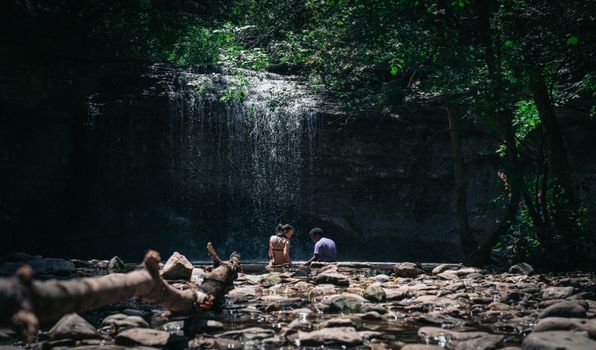
In a world where popular national parks and outdoor destinations often see millions of visitors each year, the allure of finding a secret slice of nature is stronger than ever. Crowded trails and packed parking lots can make even the most beautiful landscapes lose their magic. But what if you could trade the throngs of tourists for the tranquility of hidden natural parks—those little-known sanctuaries quietly tucked away from the mainstream? These secret outdoor escapes offer untouched beauty, solitude, and the kind of authentic adventure that’s increasingly rare in the age of Instagram. Let’s embark on a journey to discover how and where you can experience the true essence of nature, far from the beaten path.
The Appeal of Hidden Natural Parks
Hidden natural parks are the unsung heroes of outdoor recreation. Unlike their famous counterparts—think Yellowstone, Yosemite, or Banff—these parks exist under the radar, often overshadowed by their larger, more popular neighbors. Yet, their very obscurity is what makes them so appealing.
According to a 2022 survey by the Outdoor Foundation, 58% of outdoor enthusiasts cited "overcrowding" as a major deterrent to visiting well-known parks. Hidden parks, on the other hand, offer unique landscapes, rare wildlife, and a sense of discovery you won’t find on a busy boardwalk.
Additionally, visiting lesser-known parks can help distribute tourism more evenly, alleviating pressure on overused environments and supporting local economies that benefit from sustainable, low-impact visitors.
How to Find Secret Outdoor Escapes
How do you uncover these hidden gems? It takes a blend of research, curiosity, and a willingness to venture beyond the obvious. Here are some strategies:
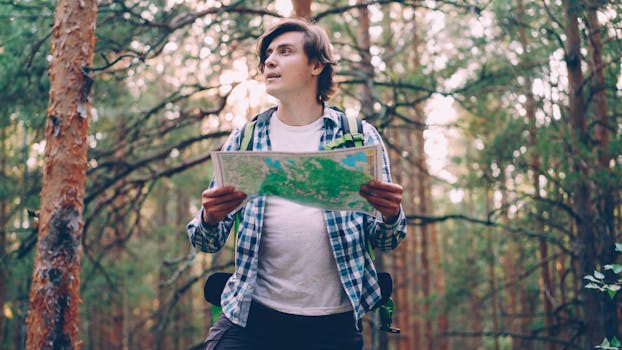
- Dig Deep Online: While many travel websites focus on the big names, niche blogs, local tourism boards, and regional park websites often showcase smaller, lesser-known parks. - Ask Locals: Residents and park rangers are invaluable sources for tips on secluded spots and hidden trails. - Look Beyond National Parks: State parks, county reserves, and protected wilderness areas are often overlooked but provide incredible beauty and serenity. - Use Topographic Maps: These maps can help you spot areas with trails, lakes, or interesting terrain that aren’t on the mainstream tourist radar. - Avoid Peak Seasons: Even popular parks have quiet corners during shoulder seasons or weekdays.For example, in the United States alone, there are over 6,600 state parks—many of which receive fewer than 100,000 visitors annually, compared to the 3.3 million who visit Yellowstone every year.
Five Hidden Natural Parks Around the World
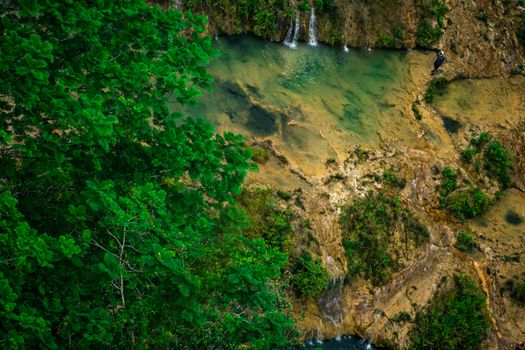
Let’s spotlight a handful of stunning natural parks that remain largely undiscovered by mass tourism, each offering its own unique blend of wilderness and wonder.
1. Valle de Cocora, Colombia – This lush cloud forest in the heart of Colombia’s coffee region is home to the world’s tallest palm trees, the wax palm, which can reach up to 200 feet. Despite awe-inspiring scenery, Valle de Cocora receives a fraction of the visitors compared to more famous South American sites like Machu Picchu. 2. Iriomote-Ishigaki National Park, Japan – Located on the remote Yaeyama Islands, this subtropical paradise combines mangrove jungles, coral reefs, and pristine rivers. Only about 400,000 visitors reach Iriomote annually, compared to over 10 million at Mount Fuji. 3. Parc National de la Jacques-Cartier, Canada – Just 30 minutes from Quebec City, this park boasts deep glacial valleys and dense boreal forests. Trails often remain uncrowded, even during peak season. 4. Biebrza National Park, Poland – The largest national park in Poland, with over 230,000 acres of marshes, has become a haven for birdwatchers and those seeking true solitude. 5. Kidepo Valley National Park, Uganda – Often referred to as Africa's most remote park, Kidepo offers sweeping savannahs, rare wildlife, and rugged landscapes with only about 10,000 annual visitors.Comparing Hidden Natural Parks vs. Famous Parks
How do these secret escapes stack up against the world’s most popular parks? Here’s a quick comparison of key factors:
| Factor | Hidden Natural Parks | Famous National Parks |
|---|---|---|
| Average Annual Visitors | 10,000 – 400,000 | 1,000,000 – 12,000,000 |
| Trail Crowding | Low to None | High, especially in peak seasons |
| Wildlife Encounters | Frequent, less disturbed | Less frequent, wildlife often habituated to humans |
| Accessibility | Often remote, limited public transport | Well-developed, easy access |
| Facilities | Basic, rustic | Extensive (lodges, visitor centers, restaurants) |
| Environmental Impact | Lower, less foot traffic | Higher, more infrastructure |
| Authenticity | High—true wilderness experience | Varies, can feel commercialized |
Top Activities to Enjoy in Hidden Natural Parks
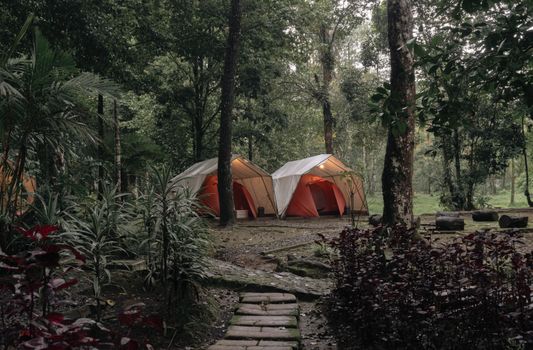
What makes these secluded parks so special is not just their peace and quiet, but the unique activities they offer. Here are some top ways to experience hidden natural parks:
- Wildlife Watching: With fewer people, animals are less wary. In Biebrza National Park, for example, visitors regularly spot elk, beavers, and over 270 bird species, including the rare aquatic warbler. - Solitary Hiking and Trekking: Trails remain blissfully empty. In Valle de Cocora, you can walk for hours beneath towering palms with hardly another soul in sight. - Kayaking and Canoeing: Remote parks often feature pristine rivers and lakes. Iriomote-Ishigaki is renowned for its mangrove kayaking, where you might see the endangered Iriomote cat. - Stargazing: With negligible light pollution, parks like Kidepo Valley offer some of the world’s clearest night skies—perfect for astrophotography or simply marveling at the Milky Way. - Cultural Encounters: Many hidden parks are near indigenous communities or rural villages, offering opportunities for authentic cultural exchange.A 2020 report by the United Nations World Tourism Organization found that visitors to lesser-known parks spent an average of 45% more days in the area, boosting local economies and deepening their connection to the destination.
Responsible Exploration: Protecting the Secrets
While finding and enjoying hidden natural parks is exciting, responsible exploration is crucial to preserving their unique qualities. Here’s how you can minimize your impact:
- Leave No Trace: Pack out all trash, stay on established trails, and avoid picking plants or disturbing wildlife. - Support Local: Choose local guides, eat at regional restaurants, and stay in eco-friendly accommodations. - Respect Regulations: Some parks have limited visitor quotas or sensitive habitats—always follow posted rules and obtain necessary permits. - Share Carefully: While sharing your discovery can inspire others, be mindful of overexposing fragile locations. Use general hashtags or avoid geotagging exact spots on social media. - Educate Yourself: Learn about the local environment, history, and culture before you visit.A 2023 survey by Leave No Trace Center for Outdoor Ethics found that 82% of respondents believed increased visitor education was key to protecting lesser-known natural areas.
Hidden Parks in Your Own Backyard: Urban and Suburban Sanctuaries
You may not need to travel across continents to find a hidden escape. Many cities and suburbs hide pocket parks, nature preserves, and undeveloped green belts that offer a breath of fresh air close to home.
For example, Los Angeles—best known for its bustling urban sprawl—boasts over 400 city parks, including secret gems like Ernest E. Debs Regional Park, where you’ll find wildflowers and panoramic views with hardly a crowd. In London, little-known Sydenham Hill Wood offers ancient forest trails just minutes from busy streets.
According to the Trust for Public Land, 85% of U.S. urban residents live within a 10-minute walk of a park—yet many of these spaces remain underutilized and undiscovered by locals.
Final Reflections on Discovering Secret Outdoor Escapes
Hidden natural parks offer a rare chance to experience unspoiled wilderness, authentic adventure, and deep tranquility. Whether you journey to the far corners of the globe or simply explore a local nature reserve, these secret escapes invite you to reconnect with nature on your own terms. As awareness of these hidden gems grows, the responsibility falls on all of us to protect their beauty and ensure they remain sanctuaries for generations to come. So, lace up your boots, grab a map, and start discovering the world’s best-kept outdoor secrets—there’s a hidden paradise waiting for you, just off the beaten path.