Introduction
The allure of the Northern Lights, or Aurora Borealis, has enchanted sky-watchers and nature enthusiasts for centuries. These dazzling natural light displays offer a celestial spectacle of vibrant colors dancing across the night sky. Whether you're planning your first journey or are a seasoned aurora enthusiast, this comprehensive travel guide will provide you with essential tips and insights for chasing and experiencing the Northern Lights.
Understanding the Northern Lights
What Causes the Northern Lights?
The Northern Lights are a result of interactions between the Earth’s magnetosphere and charged particles from the sun. These particles are drawn towards the magnetic poles of the Earth and, upon entering the atmosphere, collide with gas atoms, causing bursts of light. This process creates the beautiful auroras known as the Northern Lights.
Colors of the Aurora
The colors typically seen in the Northern Lights are green and pink, although shades of red, yellow, blue, and violet can also appear. The variation in colors is due to the type of gas molecules involved and their altitude in the atmosphere.
Best Time to See the Northern Lights
Optimal Viewing Months
The Northern Lights are mostly visible during the winter months in the Northern Hemisphere, from late August to early April. This period offers long, dark nights, which are ideal for viewing.
Importance of Solar Activity
Solar flares and sunspots increase the chances of seeing the Northern Lights. Monitoring space weather forecasts can help predict nights with higher probabilities of auroral activity.
Best Places to See the Northern Lights
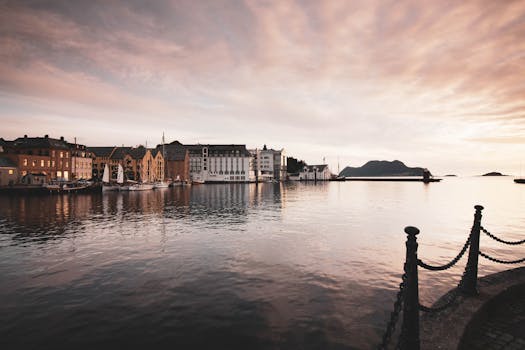
Tromsø, Norway
Tromsø is not only a prime location for viewing the Northern Lights but also offers a vibrant cultural scene and access to Arctic wilderness adventures.
Reykjavik, Iceland
In addition to being a great spot for aurora sightings, Reykjavik serves as a gateway to Iceland's rugged landscapes, perfect for nature lovers.
Kiruna, Sweden
The Icehotel in Kiruna provides a unique accommodation experience, and the city's location within the auroral oval makes it a hotspot for Northern Lights viewing.
Fairbanks, Alaska, USA
Fairbanks's geographic position under the Auroral Oval ensures frequent and spectacular auroral displays, making it a favorite destination among aurora chasers.
Yellowknife, Canada
This city is known for its clear skies, which greatly enhance your chances of witnessing the Northern Lights. It also offers various outdoor activities in a pristine environment.
Planning Your Trip
Accommodations and Alerts
Select accommodations that offer Northern Lights alarms so you won’t miss any overnight activity.
Transportation Tips
In remote areas, a reliable vehicle is essential. Always be prepared for winter driving conditions and check local travel advisories.
Dressing Appropriately
The key to enjoying the Northern Lights comfortably is staying warm. Invest in high-quality winter clothing, including thermal layers, a heavy coat, and accessories like hats, gloves, and scarves.
Photography Equipment
For those interested in capturing the auroras, a DSLR camera with manual settings, a wide-angle lens, and a sturdy tripod are recommended. Practice shooting in low light conditions to perfect your skills.
Guided Tours
Especially for beginners, guided tours can enhance the experience by providing expert knowledge and access to the best viewing locations.
Cultural and Environmental Consideration
Cultural Respect
Many indigenous cultures hold the Northern Lights in high regard, often attributing spiritual meanings to them. It’s important to respect these beliefs and traditions while visiting these regions.
Minimizing Environmental Impact
Promote sustainable travel by following eco-friendly practices. This includes respecting wildlife, keeping natural habitats undisturbed, and adhering to local conservation rules.
Conclusion
A journey to see the Northern Lights is truly a once-in-a-lifetime adventure that offers not only spectacular natural beauty but also an opportunity to connect with different cultures and nature. With careful planning, respect for the environment, and a bit of luck, you can have an unforgettable experience under the aurora-lit skies. Remember, each aurora display is unique, making every Northern Lights chase a new and exciting pursuit.