In Pursuit of the Northern Lights: A Travel Guide
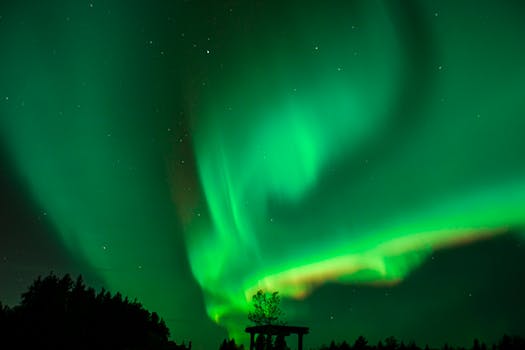
The Northern Lights, or Aurora Borealis, are among nature’s most breathtaking spectacles—a celestial ballet of green, pink, and purple hues swirling across the night sky. For centuries, travelers, scientists, and dreamers alike have been drawn northward in hope of witnessing this elusive phenomenon. But catching the aurora is more than just luck; it requires careful planning, the right location, and a bit of patience. If you are determined to chase the Northern Lights, this comprehensive travel guide will walk you through everything you need to know—from the science behind the lights to the best destinations, optimal timing, and essential tips for a successful aurora adventure.
The Science and Magic Behind the Aurora
The Northern Lights are caused by charged particles from the sun colliding with Earth’s atmosphere. When these solar particles interact with gases like oxygen and nitrogen high above the ground, they emit light in mesmerizing colors. The most common color, a vibrant green, occurs due to oxygen at lower altitudes, while purples, reds, and pinks are produced by nitrogen and higher-altitude oxygen.
Did you know that auroras aren’t exclusive to the northern hemisphere? The Southern Lights—Aurora Australis—can be seen in places like Tasmania and Antarctica. However, the Northern Lights remain more accessible for most travelers due to better infrastructure and more tourism options.
The aurora is most active during periods of high solar activity. Solar cycles last roughly 11 years; the current cycle, Solar Cycle 25, began in December 2019 and is predicted to peak around 2025, making the next few years especially promising for aurora seekers. According to NASA, the frequency and intensity of auroras can increase by up to 50% during solar maximum, compared to quieter years.
Top Destinations for Northern Lights Hunting
Not all northern locations are created equal when it comes to aurora viewing. Factors such as latitude, climate, infrastructure, and accessibility play a crucial role in your experience. Here are five of the world’s premier Northern Lights destinations:
1. Tromsø, Norway: Located 350 kilometers north of the Arctic Circle, Tromsø is often dubbed the “Gateway to the Arctic.” With over 200 aurora nights per year, reliable tour operators, and a lively cultural scene, it’s a favorite among travelers. 2. Abisko, Sweden: Home to Abisko National Park and the renowned “Blue Hole”—a patch of sky that often remains clear despite surrounding clouds—Abisko offers some of the most consistent aurora viewing conditions in Scandinavia. 3. Rovaniemi, Finland: Positioned on the Arctic Circle, Rovaniemi is famed as the home of Santa Claus and is well-equipped for winter tourism. Glass igloos and cozy lodges offer unique ways to watch the sky. 4. Reykjavik, Iceland: While Iceland’s unpredictable weather poses challenges, its accessibility, geothermal baths, and volcanic landscapes make for a magical experience. Venture out of Reykjavik for darker skies and better chances. 5. Yukon, Canada: The vast wilderness of Canada’s Yukon offers some of the darkest skies on Earth and a high probability of clear nights in winter. Whitehorse and Dawson City are popular launch points.For a quick comparison of these destinations, see the table below:
| Destination | Best Months | Average Clear Nights/Year | Unique Feature |
|---|---|---|---|
| Tromsø, Norway | September – March | 210 | Arctic city life & fjords |
| Abisko, Sweden | November – March | 220 | “Blue Hole” phenomenon |
| Rovaniemi, Finland | September – March | 180 | Glass igloo stays |
| Reykjavik, Iceland | September – April | 150 | Geothermal spas & volcanoes |
| Yukon, Canada | November – March | 200 | Vast wilderness, dark skies |
When and How to Maximize Your Chances
Timing is everything when it comes to aurora hunting. The Northern Lights are visible from late August to early April, but the heart of the season is generally from September to March, when nights are longest and skies are darkest.
Key tips to boost your odds:
- Chase the darkness: Light pollution is the aurora’s enemy. Get as far from cities and artificial lights as possible—national parks, remote villages, and wilderness lodges are ideal. - Check the weather: Clear skies are essential. Use local weather services and aurora forecasts (such as NOAA’s Space Weather Prediction Center) to plan your nights. - Watch the clock: The best viewing time is usually between 10 pm and 2 am, though this can vary. Patience is crucial; the aurora may appear and vanish within minutes or linger for hours. - Mind the moon: A full moon can wash out faint auroras. For the brightest displays, plan your trip around the new moon.Did you know? According to Visit Norway, the Tromsø region averages four auroral displays per week during peak season, and Abisko boasts a 70% chance of seeing the lights on a three-night stay.
How to Prepare for the Arctic Adventure
Aurora chasing is an outdoor activity that often requires standing outside for hours in freezing temperatures. Preparation can make the difference between a magical night and an uncomfortable ordeal.
- Dress in layers: Temperatures can plunge to -30°C (-22°F) in some regions. Invest in thermal underwear, insulated jackets, waterproof boots, mittens, and a warm hat. - Bring the right gear: A sturdy tripod and a camera with manual settings are essential for capturing the aurora. Remote triggers and extra batteries (kept warm in your pockets) will help, as cold drains battery life rapidly. - Stay safe: Always inform someone of your whereabouts, especially if venturing out alone or in remote areas. Consider guided tours for added safety and local expertise. - Embrace the experience: Bring a thermos of hot chocolate, a blanket, and perhaps some friends. Even when the aurora is elusive, stargazing under Arctic skies is unforgettable.Beyond the Lights: Cultural and Natural Wonders
While the Northern Lights are the headline attraction, the regions where they appear are rich in culture, history, and natural beauty. Make the most of your aurora quest by exploring local traditions and landscapes.
- Sami Culture: In Scandinavia, the indigenous Sami people have a heritage deeply connected to the Arctic. Try reindeer sledding, listen to joik folk music, or visit a Sami museum to learn about their traditions and cosmology (the Sami word for aurora, “guovssahas,” means “the light you can hear”). - Arctic Wildlife: Spot moose, reindeer, Arctic foxes, or even whales in Norway’s fjords. In Finland, husky safaris and snowshoe treks are popular. - Geothermal Wonders: In Iceland, relax in a hot spring after a night of aurora hunting, or explore the island’s waterfalls, geysers, and volcanic craters. - Winter Festivals: Many northern towns host winter festivals celebrating the return of the sun or the darkness of polar night, with music, art, and traditional food.Responsible and Sustainable Aurora Travel
As interest in aurora tourism grows, so does the impact on fragile Arctic environments. Sustainable travel practices are essential to preserve these unique regions for future generations.
- Choose eco-friendly accommodations: Many lodges in Scandinavia and Canada use renewable energy, minimize waste, and respect local wildlife. - Support local communities: Book tours with local guides, purchase crafts from indigenous artisans, and dine at locally-owned restaurants. - Respect nature: Stick to marked trails, avoid disturbing wildlife, and leave no trace. Remember, the best aurora photos are those captured without harming the environment.The World Tourism Organization reports that responsible tourism is on the rise, with 68% of travelers in 2022 expressing a preference for eco-friendly accommodations. By making thoughtful choices, you can help ensure that the magic of the aurora endures for generations to come.
Conclusion
Pursuing the Northern Lights is a journey of wonder, patience, and adventure. Whether you’re dreaming of standing under a swirling green sky in Norway, soaking in an Icelandic hot spring, or learning ancient legends from the Sami people, the aurora offers not only a spectacular visual experience but also a deeper connection to the natural world and its rhythms. With the right planning, preparation, and respect for local cultures and environments, your chase for the Northern Lights can become a story you cherish for a lifetime.