Adventure travel isn’t just about seeing new places—it’s about pushing boundaries, seeking thrills, and immersing yourself in the unknown. For those who crave adrenaline and yearn to experience the world’s wildest wonders first-hand, adventure travel offers an unmatched sense of freedom and accomplishment. From scaling icy peaks to diving in mysterious underwater caves, embarking on an extreme adventure is as much about self-discovery as it is about the destination.
If you’ve ever wondered what it takes to explore the world’s most extreme environments, or how to choose your next heart-pounding expedition, this comprehensive guide will walk you through the essentials of adventure travel. We’ll explore the top types of extreme travel, the best destinations, safety tips, what to pack, and how to make the most of your journey.
What is Adventure Travel? Defining the Extreme
Adventure travel is a form of tourism that involves exploration or travel with a certain degree of risk, physical exertion, or special skill. Unlike traditional sightseeing, adventure travel is about stepping out of your comfort zone and into the unknown. According to the Adventure Travel Trade Association (ATTA), the global adventure travel market was valued at $324 billion in 2022, and is projected to grow by more than 15% annually through 2030.
Extreme adventure travel takes this a step further by focusing on activities that push mental and physical limits—think high-altitude mountaineering, white-water kayaking, or deep-cave spelunking.
Some key characteristics of extreme adventure travel include: - Physical challenge: demanding activities that require fitness and stamina - Unpredictable environments: remote deserts, icy tundras, deep jungles, or turbulent rivers - Specialized gear or training: safety equipment or skill development often required - Element of risk: managed but present, adding to the thrill and sense of achievementAdventure travel attracts a diverse crowd, from solo explorers to groups seeking team-building experiences. In 2023, over 46% of adventure travelers were between ages 30 and 49, showing its broad appeal across generations.
Top Types of Extreme Adventure Travel
Extreme adventure isn’t limited to a single activity or landscape. Here are some of the most popular and thrilling types:
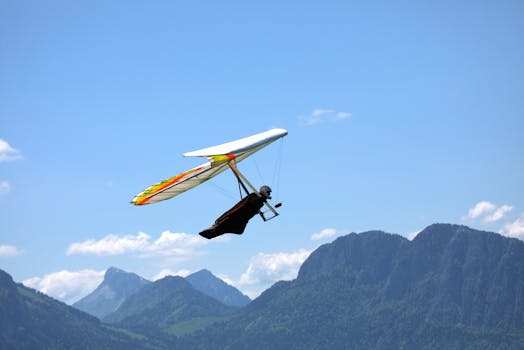
1. $1 Conquering peaks is the ultimate test of endurance and determination. Destinations like Everest Base Camp (5,364 meters) in Nepal or Mount Kilimanjaro (5,895 meters) in Tanzania attract thousands of climbers annually. In 2022, over 1,200 climbers attempted to summit Mount Everest. 2. $1 Rivers like the Colorado in the USA or the Zambezi in Zimbabwe offer raging rapids that challenge even seasoned paddlers. Grade V rapids are considered extremely difficult and reserved for experts. 3. $1 Exploring underwater caves in Mexico’s Yucatán Peninsula or Australia’s Nullarbor Plain demands specialized training and nerves of steel. Cave diving is recognized as one of the world’s most dangerous sports, with risks like disorientation and limited air supply. 4. $1 Crossing vast, harsh deserts such as the Sahara or the Atacama can be a test of survival skills and mental fortitude, with temperatures ranging from freezing at night to over 100°F (38°C) during the day. 5. $1 Trekking across the Arctic or Antarctic regions, adventurers face extreme cold, unpredictable weather, and isolation. In 2023, fewer than 1,000 tourists set foot on the interior of Antarctica. 6. $1 For adrenaline junkies, leaping off cliffs or out of planes offers a rush like no other. Locations like Interlaken, Switzerland, and Moab, Utah, are global hotspots for these aerial sports.Choosing Your Adventure: Comparing Popular Destinations
With so many options, how do you decide where to go for your next extreme adventure? Consider factors like climate, accessibility, skill level required, and the unique features of each destination. Here’s a comparative overview of some top adventure hotspots:
| Destination | Type of Adventure | Best Time to Visit | Skill Level Required | Unique Challenge |
|---|---|---|---|---|
| Patagonia, Chile/Argentina | Trekking, Ice Climbing | Nov-Mar | Intermediate-Advanced | Unpredictable weather, remote trails |
| Queenstown, New Zealand | Bungee Jumping, Skydiving | Year-round | Beginner-Advanced | World’s first commercial bungee jump |
| Sahara Desert, Africa | Desert Expedition | Oct-Apr | Advanced | Extreme heat, navigation challenges |
| Swiss Alps, Switzerland | Mountaineering, Paragliding | May-Sep | Beginner-Expert | High altitudes, technical climbs |
| Costa Rica | White-water Rafting, Ziplining | May-Nov | Beginner-Intermediate | Lush rainforests, rapid rivers |
Essential Safety Tips for Extreme Adventures
Embracing the extreme doesn’t mean ignoring safety. In fact, preparation and risk management are the backbone of any successful adventure. According to the International Climbing and Mountaineering Federation, nearly 60% of mountaineering accidents are due to inadequate preparation or overestimation of abilities.
Here are key safety tips for adventurers:
- $1 Know the physical and technical demands of your chosen activity. Take certified courses or guided tours—over 80% of cave divers, for example, have completed specialized training before entering caves. - $1 Invest in high-quality, activity-specific equipment. For mountaineering, this means insulated boots, crampons, and avalanche beacons; for scuba diving, a redundant air supply and dive computers are essential. - $1 Listen to your body and don’t let ego override caution. Turn back if conditions worsen or you feel unwell—altitude sickness affects about 25% of those climbing above 2,500 meters. - $1 Always have a communication device (satellite phone, GPS beacon), know the location of the nearest emergency services, and carry a first-aid kit. - $1 Solo adventures can be rewarding but risky. In many extreme environments, having a partner or experienced guide can be life-saving.Packing for the Extreme: What to Bring
Packing for adventure travel requires careful thought—forgetting a critical piece of gear could jeopardize your trip or safety. Here’s a checklist of essentials, depending on the activity:
1. $1 Layered, moisture-wicking apparel for temperature regulation. In polar regions, thermal base layers and down jackets are crucial. 2. $1 GPS device, compass, maps. In remote areas, technology can fail, so always have analog backups. 3. $1 Helmets, harnesses, personal flotation devices, and survival kits tailored to the activity. 4. $1 High-calorie, lightweight food (like energy bars, nuts, and freeze-dried meals) and water purification systems. 5. $1 Comprehensive medical kit, blister care, and emergency blanket. 6. $1 Solar chargers or backup batteries for electronics, especially in areas without electricity. 7. $1 Permits, identification, and insurance papers—some expeditions require proof of training or health clearance.A real-world example: For a week-long trek in Patagonia, the average pack weight is 13-15 kilograms (29-33 lbs), with 3-5 liters of water carried daily.
Making the Most of Your Extreme Adventure
The rewards of extreme travel extend well beyond the thrill of the moment. According to a 2022 study by the University of Exeter, participants in adventure travel reported a 23% increase in self-confidence and a 31% improvement in stress management skills after their expedition.
Here are some ways to maximize your experience:
- $1 Whether it’s reaching a summit or mastering a new skill, having clear objectives enhances motivation and satisfaction. - $1 Keep a travel journal or photo log—these memories become stories to share and lessons for future trips. - $1 Many extreme destinations are fragile ecosystems or home to indigenous communities. Practice Leave No Trace principles and seek to give back through conservation or local engagement. - $1 Give yourself time after the adventure to process what you’ve learned and how it might influence your everyday life.Conclusion: The Spirit of Extreme Adventure
Extreme adventure travel isn’t just a vacation—it’s a transformative experience that challenges your limits, broadens your perspective, and often forges lifelong connections with nature and fellow explorers. Whether you’re drawn to icy summits, roaring rivers, or arid deserts, the world is full of places that will push your boundaries and reward you with unforgettable moments.
The key is preparation: research your options, train for the challenge, respect the risks, and savor the journey. In the end, adventure travel is about embracing uncertainty, conquering fear, and discovering a stronger, more resilient version of yourself.