Title: Discovering Wonders: A Guide to Underwater Travel
Exploring the underwater world is an adventure like no other. The oceans, covering more than 70% of the Earth's surface, are home to countless species of marine life and mysterious landscapes that remain largely unexplored by humans. This guide will take you through the thrilling possibilities of underwater travel, from snorkeling and scuba diving to more advanced methods like submarine tours and underwater habitats.
Snorkeling: A Window to Marine Beauty
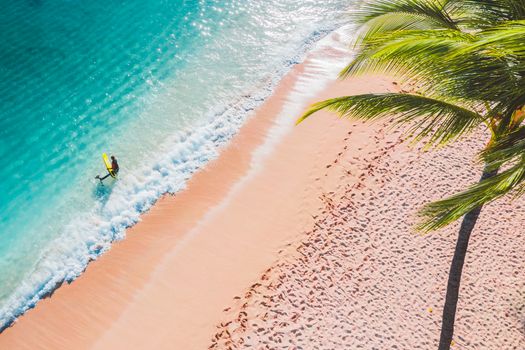
Snorkeling is perhaps the easiest way to get acquainted with underwater travel. It requires minimal equipment—a snorkel, a mask, and fins—and offers a spectacular view of shallow reefs and marine life. Ideal for beginners, snorkeling can be enjoyed at various locations around the world, including the Great Barrier Reef in Australia, the Galápagos Islands, and the clear waters of the Maldives.
Scuba Diving: Dive Deeper into the Ocean's Mysteries
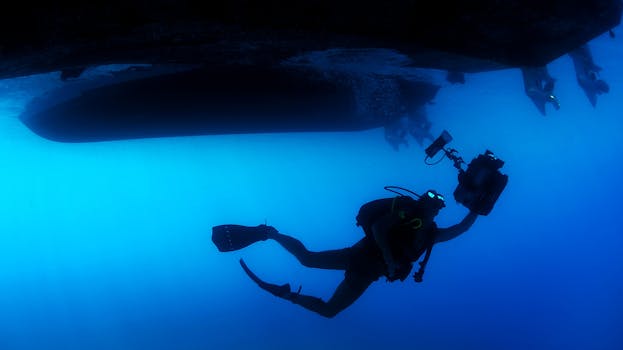
For those who wish to dive deeper, scuba diving is the next step. Unlike snorkeling, scuba diving allows you to explore underwater worlds for extended periods thanks to the breathing apparatus. Before you can dive, you'll need to obtain a certification, which involves learning about dive theory, equipment, and safety procedures. Popular scuba diving destinations include the Blue Hole in Belize, the vibrant coral reefs of Egypt's Red Sea, and the historic shipwrecks in the cold waters of the Baltic Sea.
Submarine Tours: Exploring the Depths in Comfort
Submarine tours offer a comfortable and safe way to explore deeper underwater realms without getting wet. These tours are conducted in specially designed vessels that can descend to great depths, providing panoramic views of the ocean floor through large portholes or acrylic spheres. Destinations like the Titanic wreck site and the underwater volcanic regions of the Caribbean are popular for these tours, offering a glimpse into areas that are otherwise inaccessible to most divers.
Underwater Habitats: Living Below the Surface
For a truly immersive underwater experience, consider staying in an underwater habitat. These facilities allow people to live submerged for days or even weeks. Aquarius Reef Base, located in the Florida Keys National Marine Sanctuary, is one such habitat that serves as a base for scientists conducting underwater research. Tourists can also experience life under the sea at resorts like the Conrad Maldives Rangali Island, which features luxury underwater rooms.
Conservation and Sustainable Travel
As underwater travel becomes more accessible, it's important to consider the impact on marine environments. Many areas are already facing threats from pollution, overfishing, and climate change. Responsible travel practices include not touching or disturbing marine life, avoiding the use of harmful sunscreens, and participating in conservation efforts. Some organizations offer educational dives and snorkeling trips that teach participants about marine conservation.
Preparing for Your Underwater Adventure
Before embarking on your underwater journey, it's crucial to prepare adequately. This includes researching destinations, understanding the local regulations and conservation practices, and ensuring you're physically fit for the activity. It's also wise to invest in quality equipment or rent from reputable providers. Always check weather conditions and sea currents before diving or snorkeling.
Conclusion
Underwater travel opens up a new dimension of exploration and offers a unique perspective on the natural world. Whether you're floating on the surface or venturing deep into the ocean's depths, the experiences and sights are truly unparalleled. With the right preparation and respect for marine environments, underwater travel can be an enriching and unforgettable adventure. So, dive in and discover the wonders that await beneath the waves!