The ocean covers more than 70% of our planet, yet its wonders remain a mystery to most. For those who crave adventure and are drawn to the unknown, scuba diving unlocks a world of breathtaking beauty and captivating marine life. Whether you’re a seasoned diver or just contemplating your first underwater plunge, exploring the world’s best scuba diving sites is an unforgettable experience. This guide dives into the most remarkable locations, what makes them special, and how to plan your next underwater exploration.
The Allure of Scuba Diving: Why Dive Under the Sea?
Scuba diving is more than just a recreational activity—it’s an opportunity to witness life beneath the waves, where vibrant coral reefs, ancient shipwrecks, and elusive species await. The sport is enjoyed by over 6 million active divers worldwide, according to PADI’s 2022 statistics. The appeal is universal: the sense of weightlessness, the silent world of color and movement, and the chance to explore unspoiled ecosystems.
Unlike snorkeling, scuba diving allows you to reach greater depths—often up to 40 meters for recreational divers—opening up a realm packed with unique wildlife and geological features. With advances in diving technology and increased marine conservation efforts, many sites once off-limits are now accessible to responsible adventurers.
Top Five Scuba Diving Destinations Around the Globe
From the crystalline waters of the Pacific to the mysterious wrecks of the Atlantic, divers have an array of world-class sites to choose from. Here are five standout destinations, each offering a unique underwater spectacle:
1. Great Barrier Reef, Australia Home to over 2,900 individual reefs and 1,500 species of fish, the Great Barrier Reef is the largest coral reef system on Earth. Stretching over 2,300 kilometers, it’s a diver’s paradise with everything from shallow coral gardens to deep drop-offs. 2. Blue Hole, Belize This giant marine sinkhole is over 300 meters across and 124 meters deep, making it a bucket-list site for experienced divers. The Blue Hole’s crystal-clear water reveals spectacular limestone formations and the occasional Caribbean reef shark. 3. Raja Ampat, Indonesia Located in the heart of the Coral Triangle, Raja Ampat boasts the highest recorded marine biodiversity on the planet. Divers here can encounter over 1,500 species of fish and 600 types of coral, all within a network of lush, unspoiled islands. 4. Red Sea, Egypt Renowned for its warm waters, visibility up to 40 meters, and striking coral formations, the Red Sea is a magnet for divers. Sites like Ras Mohammed National Park and the Thistlegorm wreck offer a dynamic mix of marine life and history. 5. Galápagos Islands, Ecuador The Galápagos are famous for their unique wildlife, including hammerhead sharks, sea lions, and marine iguanas. Strict conservation measures mean the reefs and marine environments are incredibly healthy and vibrant.Comparing Features of the World’s Best Dive Sites
Choosing the right dive site depends on your interests—be it big pelagic encounters, colorful reefs, or shipwreck exploration. The table below compares major characteristics of five top sites:
| Dive Site | Main Attraction | Best Time to Visit | Average Visibility | Recommended Experience Level |
|---|---|---|---|---|
| Great Barrier Reef, Australia | Diverse coral reefs, turtles, reef sharks | June–November | 15–30 meters | Beginner–Advanced |
| Blue Hole, Belize | Deep sinkhole, stalactites, reef sharks | April–June | 30 meters | Advanced |
| Raja Ampat, Indonesia | Coral biodiversity, manta rays | October–April | 15–30 meters | Intermediate–Advanced |
| Red Sea, Egypt | Wrecks, coral gardens, large pelagics | March–May, September–November | 20–40 meters | Beginner–Advanced |
| Galápagos Islands, Ecuador | Sharks, sea lions, unique species | June–November (big animals) | 10–30 meters | Advanced |
Unique Marine Life Encounters: What You’ll See Underwater
One of the greatest thrills of scuba diving is the unpredictability of marine encounters. Different regions offer distinct experiences:
- $1 Expect to see green sea turtles, clownfish (the famous "Nemo"), white-tip reef sharks, and giant clams. - $1 Spot the elusive wobbegong shark, pygmy seahorses, and schools of barracuda. Manta rays are common at cleaning stations. - $1 Witness vibrant anthias fish, lionfish, and the impressive Napoleon wrasse. Shipwrecks are often adorned with soft corals and moray eels. - $1 Dive with playful sea lions, marine iguanas grazing on underwater algae, and large schools of hammerhead sharks. Whale sharks frequent Wolf and Darwin Islands between June and November.According to the World Wildlife Fund, more than 230,000 marine species have been identified, with new discoveries made every year—many by divers!
Shipwreck Diving: Exploring History Beneath the Waves
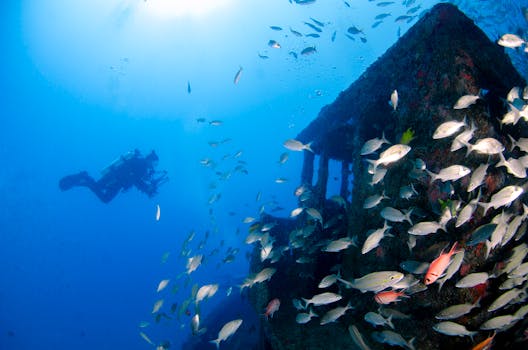
Shipwrecks are underwater time capsules, offering a glimpse into history while providing new habitats for marine life. Some of the world’s most famous wreck dives include:
- $1 This British WWII shipwreck lies at 30 meters and is loaded with motorcycles, trucks, and train carriages—now home to lionfish and batfish. - $1 Sunk in 1942, this accessible wreck is covered in corals and teeming with parrotfish and bumphead wrasse. - $1 Off the coast of Queensland, the SS Yongala sank in 1911 and now hosts sea snakes, eagle rays, and giant groupers.Wreck diving requires special training and an adherence to safety protocols, but it’s a favorite among advanced divers for its blend of history and marine biodiversity.
Planning Your Dive Adventure: Tips and Logistics
Diving trips require careful planning to ensure safety, enjoyment, and environmental responsibility. Here are some essential factors to consider:
- $1 Most reputable dive sites require at least an Open Water certification, while advanced and wreck dives may require additional qualifications. - $1 Divers should be in good health; a 2023 DAN (Divers Alert Network) report found that pre-existing medical conditions are a factor in 38% of diving accidents. - $1 Many sites, especially in protected areas like the Galápagos or Raja Ampat, have strict rules to minimize environmental impact. Always follow local guidelines and never touch or remove anything from the reef. - $1 While many dive resorts provide gear rental, experienced divers often prefer their own equipment for comfort and familiarity. - $1 Ensure your policy covers scuba diving and medical evacuation. Some remote sites are far from hospitals.For those new to the sport, joining a guided dive or enrolling in a liveaboard trip can offer convenience, safety, and access to multiple dive sites in one journey.
Preserving the Underwater World: Responsible Diving Practices
With the beauty of underwater exploration comes a responsibility to protect fragile marine ecosystems. Coral reefs are particularly vulnerable, with over 50% considered threatened due to warming waters, pollution, and overfishing (NOAA, 2023).
Responsible diving practices include:
- Maintaining neutral buoyancy to avoid damaging corals - Not touching or feeding marine animals - Using reef-safe sunscreen to prevent chemical pollution - Participating in underwater cleanups or citizen science programsMany renowned dive sites, such as Bonaire and Palau, have introduced marine park fees and strict visitor limits to fund conservation and ensure long-term sustainability.
Final Thoughts on Exploring the Best Scuba Diving Sites
Exploring under the sea through scuba diving is a transformative experience, offering a window into the planet’s most mysterious environments. From the kaleidoscopic reefs of Australia to the legendary shipwrecks of Egypt and the wild waters of the Galápagos, each site is a testament to the ocean’s diversity and beauty. With careful planning, respect for the environment, and a sense of adventure, you can join the ranks of those who have witnessed the wonders of the underwater world firsthand. Dive in, and let the ocean surprise you.