A Guide to Underwater Exploration: Best Scuba Diving Spots in the World
The allure of the underwater world has captivated explorers, scientists, and adventure seekers for centuries. Scuba diving offers a thrilling portal to this mysterious realm, where vibrant coral gardens, historic shipwrecks, and majestic marine creatures await beneath the surface. As scuba technology has evolved, so too has access to some of the world’s most breathtaking dive sites. Whether you’re a seasoned diver or a curious beginner, discovering the planet’s most extraordinary underwater destinations is an unforgettable journey into the unknown. In this guide, we’ll plunge into the best scuba diving spots across the globe, exploring what makes each location unique, the marine life you can encounter, travel tips, and how to choose the perfect destination for your next underwater adventure.
Why Explore the Underwater World?
Human fascination with the ocean is rooted in its vastness—covering over 70% of Earth’s surface, yet over 80% remains unexplored. Scuba diving bridges this gap, granting us access to ecosystems teeming with life and history. The experience of weightlessness, combined with mesmerizing seascapes, fosters a unique connection to nature. According to the Professional Association of Diving Instructors (PADI), there are more than 6 million active divers worldwide, and an estimated 1 million people complete their first certification every year.
The underwater world is not only beautiful but also essential to our planet’s health. Coral reefs, for example, support about 25% of all marine species and protect coastlines from erosion. By exploring and appreciating these environments, divers often become ambassadors for ocean conservation, contributing to initiatives that help preserve these fragile ecosystems for future generations.
Tropical Paradises: Coral Reefs and Crystal Waters
Some of the most iconic scuba diving destinations are found in tropical regions, where warm waters and thriving coral reefs create ideal conditions for underwater exploration. These paradises are magnets for divers seeking colorful marine life and pristine visibility.
1. $1 As the world’s largest coral reef system, stretching over 2,300 kilometers, the Great Barrier Reef is a bucket-list destination for divers. It’s home to over 1,500 species of fish, 400 types of coral, and six species of sea turtles. Notable dive sites include the Cod Hole, known for its friendly potato cod, and Osprey Reef, where divers can witness dramatic drop-offs and shark feeds. 2. $1 Often dubbed the “Amazon of the Seas,” Raja Ampat boasts the highest marine biodiversity on the planet. Divers here encounter more than 1,500 species of fish and over 600 species of hard coral. The region’s remote location ensures unspoiled reefs, with sites like Cape Kri offering the chance to spot wobbegong sharks, manta rays, and vibrant nudibranchs. 3. $1 As the second-longest coral reef system in the world, this UNESCO World Heritage site offers spectacular diving. The famous Blue Hole—a giant marine sinkhole over 300 meters across and 125 meters deep—lures advanced divers with its stalactite formations and occasional sightings of Caribbean reef sharks.Wreck Diving Adventures: History Beneath the Waves
For those intrigued by maritime history and the mysteries of the past, wreck diving offers a thrilling glimpse into sunken ships, airplanes, and even entire cities lost to the sea.
1. $1 Sunk during World War II, the SS Thistlegorm is considered one of the world’s top wreck dives. The 128-meter British cargo ship lies at a depth of 30 meters in the northern Red Sea. Divers can explore cargo holds still filled with motorcycles, trucks, and railway carriages, all encrusted with marine life. 2. $1 This remote Pacific atoll is often referred to as the “Ghost Fleet of Truk Lagoon.” Over 60 Japanese warships and aircraft, sunk during Operation Hailstone in 1944, rest beneath its waters. The site is a living museum, with coral-draped wrecks housing schools of fish and historical artifacts. 3. $1 Accessible from the shore at Tulamben, this 120-meter American cargo ship was torpedoed by a Japanese submarine in 1942. Today, the wreck is blanketed in coral and attracts a stunning array of marine life, including bumphead parrotfish and pygmy seahorses.Encounters with Giants: Dive with the World’s Largest Marine Creatures
There’s nothing quite like coming face-to-face with the ocean’s gentle giants. Some destinations are renowned for encounters with awe-inspiring species such as whale sharks, manta rays, and even humpback whales.
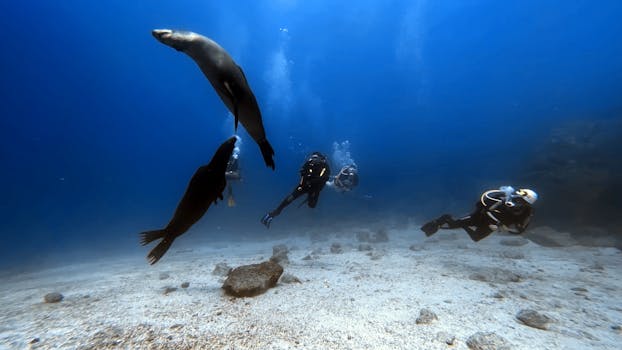
1. $1 From March to July, Ningaloo Reef hosts the world’s largest aggregation of whale sharks. These filter-feeding giants, which can reach up to 12 meters in length, glide gracefully through the turquoise waters, offering unforgettable experiences for divers and snorkelers alike. 2. $1 Also known as the “Galápagos of North America,” the Socorro Islands are famous for their large pelagic species. Divers regularly encounter giant oceanic manta rays, hammerhead, and silky sharks, especially between November and May. Humpback whales can also be spotted during migration season. 3. $1 The Galápagos are a mecca for wildlife lovers. Sites like Darwin and Wolf Islands are famous for schooling hammerhead sharks, whale sharks (June to November), and playful sea lions. The islands’ remote location ensures pristine conditions and unique species found nowhere else on Earth.Cold Water Wonders: Unusual and Untouched Dive Destinations
While tropical waters get much of the attention, cold water diving offers its own extraordinary rewards. Divers willing to brave the chill are rewarded with otherworldly landscapes and rare encounters.
1. $1 Silfra is the only place in the world where you can dive between two continents—the Eurasian and North American tectonic plates. The glacial meltwater is so pure that visibility often exceeds 100 meters, creating an almost surreal experience in water that hovers just above freezing. 2. $1 The Pacific Northwest is famed for its nutrient-rich waters and dramatic underwater topography. Sites like Browning Pass and God’s Pocket showcase giant Pacific octopuses, wolf eels, and vibrant anemone gardens. British Columbia is consistently ranked among the top cold water dive destinations by Scuba Diving Magazine. 3. $1 For the truly adventurous, ice diving in Russia’s White Sea is a once-in-a-lifetime experience. Divers explore under thick ice sheets, encountering luminous jellyfish and curious beluga whales in a pristine Arctic environment.Choosing the Right Dive Spot: Factors to Consider
Selecting the perfect scuba diving destination depends on a variety of factors, including experience level, preferred marine life, accessibility, and the type of environment you want to explore. Here’s a comparison of some of the top spots based on key criteria:
| Dive Destination | Best For | Water Temperature (°C) | Visibility (m) | Experience Level | Signature Species/Sights |
|---|---|---|---|---|---|
| Great Barrier Reef, Australia | Coral Reefs, Beginners | 23-29 | 15-30 | All Levels | Clownfish, Sea Turtles |
| Raja Ampat, Indonesia | Biodiversity, Photographers | 27-30 | 15-30 | Intermediate+ | Manta Rays, Pygmy Seahorses |
| Silfra Fissure, Iceland | Unique Geology, Cold Water | 2-4 | 100+ | Intermediate+ | Tectonic Plates, Crystal Clear Water |
| Socorro Islands, Mexico | Big Animals, Advanced | 21-28 | 20-30 | Advanced | Manta Rays, Hammerhead Sharks |
| Chuuk Lagoon, Micronesia | Wrecks, History Buffs | 27-29 | 15-30 | Intermediate+ | WWII Shipwrecks |
Tips for Planning Your Underwater Adventure
1. $1 Most dive sites require at least an Open Water Diver certification. Advanced sites, such as deep wrecks or strong current areas, may require Advanced Open Water or specialty certifications. Over 70% of dive accidents involve insufficient training for the conditions encountered, so always match your skills to the site. 2. $1 Marine life sightings and conditions vary with the seasons. For example, whale sharks visit Ningaloo Reef from March to July, while hammerhead sharks are more common in the Galápagos from June to November. Always check the best months for your target species and visibility. 3. $1 Choose eco-friendly operators and follow responsible diving practices to protect fragile marine environments. Coral reefs, for instance, can take decades to recover from a single careless fin kick. 4. $1 Some dive destinations are remote and require careful planning. Consider travel times, local regulations, and availability of medical facilities. Dive insurance is highly recommended, especially for destinations far from recompression chambers.Conclusion
The world’s oceans are brimming with wonders waiting to be explored, from dazzling coral reefs in the tropics to haunting shipwrecks and icy fissures in the farthest reaches of the planet. Scuba diving offers not only adventure but also a profound connection to the planet’s most vital ecosystems. By choosing the right destination, preparing thoroughly, and diving responsibly, you’ll contribute to the protection of these underwater treasures—while enjoying some of the most awe-inspiring experiences on earth. Whether your dream is to glide alongside a whale shark, photograph surreal coral gardens, or touch the boundary between continents, the best scuba diving spots in the world are ready to welcome your sense of wonder.