Planning Your Trip to the Middle East
Embarking on a journey to the Middle East can be transformative, blending ancient history with thriving modern cultures. To make the most of your travels, consider these additional tips and insights that complement the highlights mentioned above.
Language and Communication
Although Arabic is the predominant language in the Middle East, English is widely spoken, especially in tourist areas and major cities. Learning a few basic Arabic phrases such as "Shukran" (Thank you) and "Marhaba" (Hello) can be helpful and is appreciated by local residents.
Transportation
Transportation varies widely across the Middle East. While places like Dubai boast state-of-the-art metro systems, other parts may rely more on taxis and buses. For inter-country travel, consider budget airlines, which are plentiful and offer frequent flights across the region. Renting a car is also an option, though it's essential to be comfortable with local driving styles and regulations.
Accommodation Options
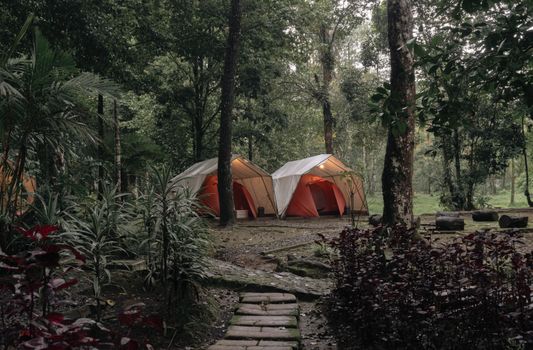
The region offers a wide range of accommodations, from luxurious hotels and resorts in Dubai and Abu Dhabi to traditional guesthouses in more rural areas. For a unique experience, consider staying in a desert camp in Jordan or Morocco, where you can enjoy the stark beauty of the landscape under a starlit sky.
Local Customs and Festivals
Engaging with local customs and festivals can enrich your travel experience. For instance, participating in the holy month of Ramadan can be a profound experience; however, visitors should be mindful of eating and drinking in public during daylight hours in this period. Other notable festivals include the Dubai Shopping Festival and the Jerash Festival in Jordan, which showcases a mix of local music, dance, and culture.
Natural Wonders and Outdoor Activities
Beyond urban attractions, the Middle East offers stunning natural landscapes and a variety of outdoor activities. In Oman, the Wahiba Sands offer spectacular desert experiences, while the Dead Sea, located at the lowest point on Earth and bordered by Jordan and Israel, provides unique swimming experiences due to its high salinity. Adventure seekers might also explore scuba diving in the Red Sea, known for its vibrant coral reefs and marine life.
Shopping and Souvenirs
Shopping in the Middle East can be an exciting endeavor, with options ranging from ultramodern malls in Dubai to traditional souks scattered throughout the region. In these markets, you'll find a variety of goods from spices and textiles to gold and silver jewelry. Bargaining is common practice in souks, so it's worth haggling to get the best price.
Health Precautions
Before traveling, check any vaccine requirements or health advisories. It's also wise to have travel insurance that covers medical expenses. Due to the climate, staying hydrated is crucial, and travelers should always drink bottled or purified water.
Connectivity
Wi-Fi is widely available in hotels, cafes, and some public areas, particularly in larger cities. If staying connected is important, consider purchasing a local SIM card, which is generally affordable and offers good coverage.
Conclusion
The Middle East is a tapestry of experiences waiting to be discovered. Each country holds its unique charm and challenges, offering endless opportunities for adventure, cultural immersion, and historical exploration. With careful planning and an open mind, your journey through the Middle East can be both enjoyable and enriching, leaving you with memories that last a lifetime.