Backpacking on a Budget: A Comprehensive Travel Guide for Cost-Conscious Adventurers
Traveling the world doesn’t have to break the bank. For those with a thirst for adventure and a limited budget, backpacking offers a unique and affordable way to explore new countries, connect with cultures, and collect unforgettable memories. According to Hostelworld, nearly 65% of backpackers travel on less than $50 per day, proving that globetrotting is possible even with modest means. This comprehensive guide will walk you through the art of backpacking on a budget, from choosing the right destinations to maximizing every dollar spent on the road.
Why Backpacking is Perfect for Budget Travelers
Backpacking has long been the go-to choice for travelers who seek flexibility, adventure, and affordability. Unlike traditional tourism, backpacking emphasizes minimalism, self-reliance, and immersion in local cultures rather than expensive tours or luxury accommodations. The allure of backpacking isn’t just in its cost-saving potential—it's also about the freedom it offers.
A 2022 survey by Statista revealed that over 40% of backpackers cite “affordability” as their main reason for choosing this travel style, while 35% highlighted “cultural experience.” The backpacking community is known for sharing tips, resources, and support, making it easier than ever to travel well on a budget.
Key reasons backpacking is ideal for cost-conscious travelers:
- Flexibility: You control your itinerary and expenses, adjusting plans as needed. - Community: Hostels, online forums, and social groups help travelers find deals and share resources. - Local immersion: Staying in hostels or with locals offers deeper cultural experiences at a lower cost.Choosing Destinations That Maximize Your Budget
Not all destinations are created equal when it comes to backpacking on a budget. Some countries offer incredible value, allowing you to stretch your funds further while still enjoying rich experiences. Southeast Asia, South America, parts of Eastern Europe, and Central America top the list for affordability.
Here’s a comparison of daily backpacker budgets in popular regions:
| Region | Average Daily Budget (USD) | Popular Destinations | Typical Accommodation Cost |
|---|---|---|---|
| Southeast Asia | $25-40 | Thailand, Vietnam, Cambodia | $5-15 for dorm bed |
| South America | $30-50 | Peru, Bolivia, Colombia | $7-20 for dorm bed |
| Eastern Europe | $40-60 | Poland, Hungary, Romania | $10-25 for dorm bed |
| Western Europe | $60-100 | Spain, Portugal, Italy | $15-40 for dorm bed |
| Central America | $30-45 | Guatemala, Nicaragua, Mexico | $8-18 for dorm bed |
Choosing the right region can mean the difference between a two-week vacation and a two-month adventure. For example, $1,000 could last up to 40 days in Vietnam, but only about 15 days in France.
Smart Packing: Essentials for Budget Backpackers
One of the golden rules of budget backpacking is to pack light and pack smart. Overpacking not only makes travel cumbersome, but it can also lead to extra baggage fees—something that can quickly eat into your budget. According to a 2023 Hostelworld report, the average backpacker carries a 40-50 liter backpack weighing less than 12 kg (26 lbs).
Here’s what every budget backpacker should include:
- Versatile clothing: Opt for lightweight, quick-drying clothes and layers. - Travel towel: Compact and quick-drying towels save space and money. - Reusable water bottle: Saves money (and the environment) in areas with potable water. - Basic first-aid kit: Avoids expensive pharmacy visits for minor ailments. - Portable charger: Keeps devices ready for navigation and booking. - Lock: Essential for hostel lockers or securing your bag.Tip: Many budget airlines and trains have strict carry-on limits. Sticking to one bag saves money and stress.
Saving on Accommodation: Beyond Hostels
While hostels are the classic choice for budget backpackers, today’s travelers have a wider array of affordable options. According to Hostelworld, more than 70% of backpackers use a combination of hostels, guesthouses, and alternative accommodation during their trips.
Alternative accommodation options:
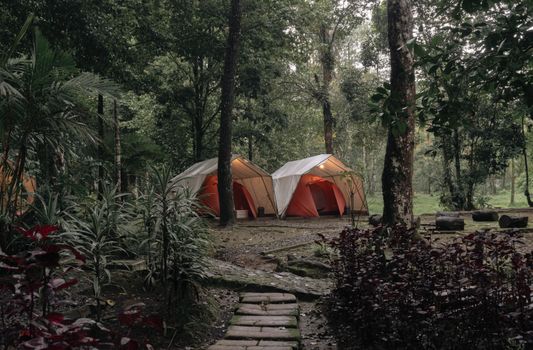
- Couchsurfing: Stay with locals for free and gain insider travel tips. - Work exchanges: Platforms like Workaway or WWOOF offer room and board in exchange for work. - Overnight buses and trains: Save on a night’s accommodation while traveling long distances. - Camping: In many countries, public or low-cost camping spots are available.In 2022, a survey found that Couchsurfing hosts in over 200,000 cities offered free stays, and platforms like Workaway facilitated over 50,000 travel exchanges annually. These alternatives not only save money but also provide unique cultural exchanges and often lead to lasting friendships.
Eating Well Without Overspending
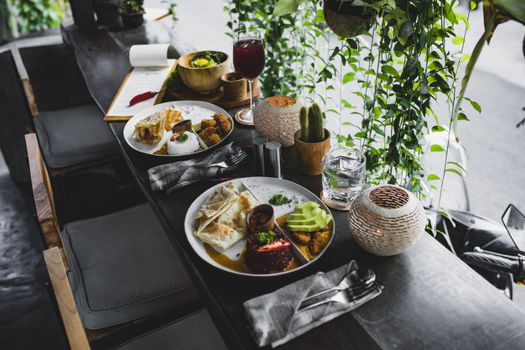
Food is a major expense for travelers, but it’s also one of the best ways to experience a culture. Eating out at restaurants for every meal can drain your budget fast. The key is finding local, affordable, and authentic options.
Budget-friendly eating strategies:
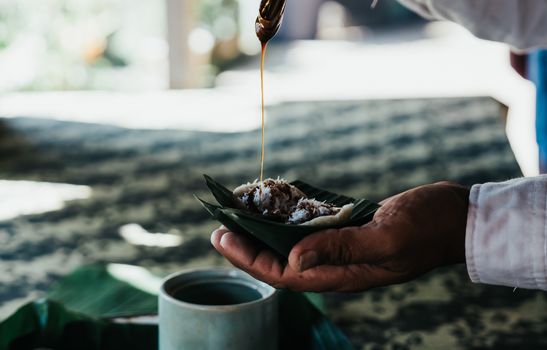
- Street food: In places like Bangkok or Mexico City, you can enjoy a delicious meal for under $2. - Markets: Local markets offer fresh produce, snacks, and ingredients for self-catering. - Hostel kitchens: Most hostels provide communal kitchens where you can cook your own meals. - Lunch specials: In many countries, restaurants offer “menu del dia” or set lunch menus at a fraction of dinner prices. - Grocery stores: Stock up on staples like bread, fruit, and yogurt for easy breakfasts.Case in point: A meal at a street market in Hanoi can cost as little as $1.50, compared to $10-15 at a tourist restaurant. Cooking just half your meals can reduce your daily food budget by up to 60%.
Transportation Tips: Getting Around for Less
Transportation can be one of the biggest expenses—especially for long journeys or in developed countries. Smart planning and flexibility are essential for keeping travel costs low.
Money-saving transport tips:
- Overnight travel: Take night buses or trains to combine transport and accommodation. - Public transit: Use local buses, trams, or metro systems instead of taxis or rideshares. - Budget airlines: In regions like Europe and Southeast Asia, airlines such as Ryanair, AirAsia, and Wizz Air offer flights for as little as $10-20 if booked in advance. - Ridesharing and carpooling: Sites like BlaBlaCar connect travelers with drivers going the same way. - Bike rentals: In cities with good cycling infrastructure, renting a bike is cheaper and greener.In 2023, Skyscanner reported that flexible travelers who booked flights at least two months in advance saved an average of 27% compared to last-minute bookings. Meanwhile, ridesharing apps helped travelers save up to 50% over traditional taxis on popular European routes.
Making the Most of Free and Low-Cost Activities
Backpacking on a budget doesn’t mean missing out on experiences. Many of the world’s best activities are free or very inexpensive if you know where to look.
Ideas for budget-friendly fun:
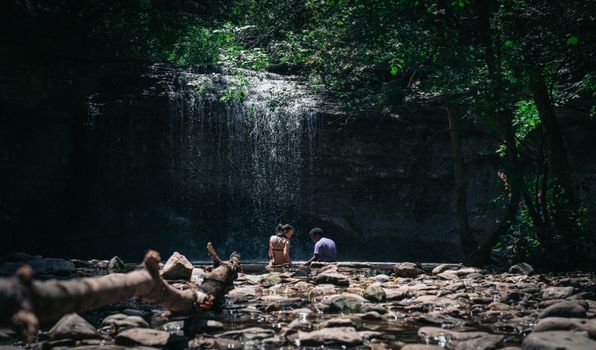
- Free walking tours: Offered in most major cities—just tip your guide. - National parks: Many countries offer low-cost or free entry to stunning natural areas. - Festivals: Local events and celebrations are often free and provide deep cultural immersion. - Museums: Take advantage of free entry days or student discounts. - Hiking and outdoor adventures: Exploring nature is usually free and unforgettable.For example, in London, over 20 major museums—including the British Museum and Tate Modern—offer free admission. In South America, hiking the Inca Trail independently (with permits) can cost as little as $80, compared to $600+ for guided tours.
Final Thoughts on Backpacking on a Budget
Backpacking on a budget is about more than saving money—it’s about embracing a style of travel that prioritizes experiences, connections, and personal growth. By choosing affordable destinations, packing smart, seeking out alternative accommodations, eating like a local, and taking advantage of free activities, you can see more of the world for less.
With careful planning and a flexible mindset, you can travel further, stay longer, and connect more deeply with the places you visit. The world is vast, and adventure is within your reach—no matter your budget.