Backpacking across Europe can be a thrilling and enlightening experience, allowing you to immerse yourself in a variety of cultures, languages, and historical contexts. This comprehensive guide is designed to help beginners navigate the planning, budgeting, and execution of their trip, ensuring a memorable and smooth experience.
- Choose Your Destinations
Europe's diversity is its charm. From the bustling streets of London to the sun-kissed beaches of the Greek islands, each region offers a unique flavor. Start by listing top destinations that align with your interests—be it art, cuisine, history, or nature.
- Create a Realistic Itinerary
While it's tempting to pack many countries into one trip, consider travel time and costs. A well-paced itinerary allows deeper exploration. Tools like Rome2rio and Google Maps are invaluable for planning efficient routes.
- Budget Wisely
Your budget influences your choices from destinations to dining. Western Europe is generally more expensive than Eastern Europe. Plan daily budgets considering accommodations, meals, transport, and activities. Remember, unexpected expenses can arise, so include a contingency fund in your budget.
- Accommodation Options
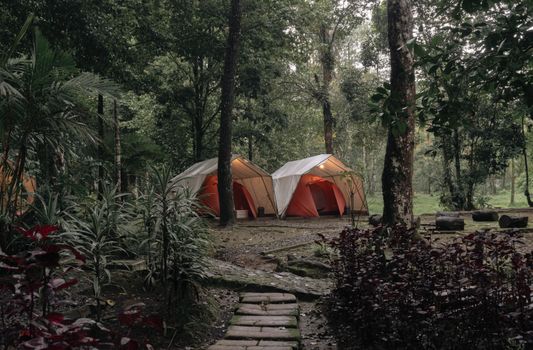
Hostels are economical and sociable environments ideal for meeting fellow travelers. Platforms like Hostelworld provide extensive listings with reviews. Alternatives include budget hotels, Airbnb, or even camping in rural areas. Early booking can secure better rates.
- Pack Smart
A comfortable backpack is your primary companion. Opt for one that fits your frame with enough space for essentials but is light enough for long treks. Essentials include:
- Multipurpose clothing and layers for varying climates
- A sturdy pair of shoes
- Minimal toiletries and a basic first aid kit
- Necessary documents (passport, IDs, insurance)
- Chargers and universal adapters
- Security items like money belts and padlocks
- Transportation Tips
Research transport options between your chosen spots. The Eurail Pass is perfect for extensive train travel, offering flexibility and value. Buses like FlixBus offer a cheaper alternative. In cities, public transport often provides a cheap and authentic way to explore.
- Eat Like a Local
Eating out can quickly drain your budget. Opt to shop at local markets and prepare meals if facilities are available. Not only is this cost-effective, but it's also a great way to experience local life. Treat yourself to local cuisine occasionally—it’s part of the cultural experience!
- Stay Safe
Keep abreast of local laws and customs. Europe is generally safe, but remain vigilant, especially in crowded areas. Travel insurance is a must for unforeseen medical issues or theft.
- Cultural Sensitivity
Respecting local customs and practices is paramount. Try to learn basic phrases in each country’s language. It’s not only polite but also enriches your interaction with locals.
- Document Your Journey
Whether it’s a blog, social media, or a good old-fashioned diary, documenting your trip helps share and remember your experiences. Photos are great, but notes on personal encounters and feelings capture the journey’s essence.
Conclusion
Backpacking across Europe is more than just a holiday; it's a journey through a tapestry of cultures, histories, and landscapes. With careful planning and an open mind, you are set to embark on an adventure that will expand your horizons and create lasting memories. Pack your bag, set your itinerary, and prepare to explore the rich diversity of Europe. Safe travels!