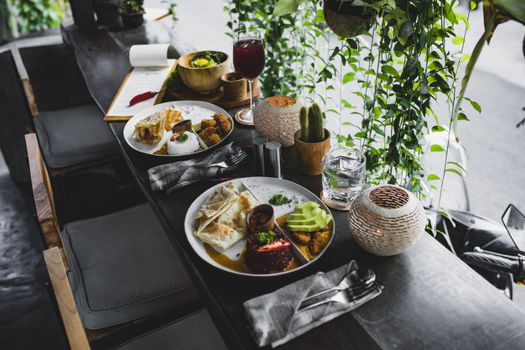
Street food is more than just a quick bite on the go—it’s a window into the soul of a city, a testament to culinary creativity, and a dynamic indicator of what’s trending in global gastronomy. In recent years, street food has evolved far beyond classic tacos or hot dogs. Today, it’s a melting pot of global flavors, fusion dishes, and inventive twists that attract foodies and travelers alike. From the neon-lit food stalls of Seoul to bustling night markets in Mexico City, street food trends are shaping what we crave and how we eat. This article explores the hottest global street food trends, the cultural forces behind them, and what makes these culinary delights irresistible around the world.
The Rise of Fusion Street Food: Blending Borders and Flavors
One of the most significant trends in global street food is the explosion of fusion cuisine. Chefs and vendors are blending techniques, ingredients, and traditions from different countries to create unique, mouthwatering experiences. This cross-cultural experimentation is not just about novelty—it reflects migration patterns, cultural exchange, and the ever-growing demand for bold flavors.
In London, for example, you might find a Korean BBQ taco truck serving bulgogi beef wrapped in a soft corn tortilla, fusing Mexican and Korean street classics. In Bangkok, Japanese-inspired sushi burritos have become a favorite among young crowds. According to a 2023 report by Mintel, 53% of street food vendors in major global cities now offer at least one fusion dish.
Fusion street food also caters to adventurous eaters. Dishes like Indian-inspired pizza (naan bread topped with tikka masala and paneer) or Vietnamese banh mi sandwiches filled with Mexican carnitas show how culinary boundaries are blurring. This trend is expected to grow, with the global street food market projected to reach $1.4 trillion by 2029, according to Fortune Business Insights.
Health-Conscious Street Eats: Fresh, Plant-Based, and Sustainable
As awareness of health and sustainability grows, street food vendors are adapting to meet changing consumer preferences. Health-conscious street food isn’t just a trend—it’s becoming the norm in many cities. Vendors are focusing on fresh, locally sourced ingredients, plant-based options, and alternative proteins.
For instance, in Berlin, vegan döner kebabs made with seitan or jackfruit are drawing crowds, while in Los Angeles, food trucks offer gluten-free arepas and smoothie bowls. A 2022 survey by Statista revealed that 38% of global consumers prefer plant-based or vegetarian street food options, and this number is rising each year.
Sustainability is also key. Many vendors now use biodegradable packaging and source ingredients from local farmers to reduce their carbon footprint. In Singapore, hawker centers have introduced reusable plate systems, drastically cutting plastic waste. These innovations not only attract eco-conscious customers but also help street food adapt to modern values.
Street Food as Social Experience: Food Halls, Markets, and Pop-Ups
Street food is no longer confined to carts or roadside stalls. The rise of organized food halls, night markets, and pop-up events has transformed how people experience street food. Cities like New York, Melbourne, and Tokyo now boast sprawling indoor food markets where dozens of vendors offer everything from Malaysian satay to Peruvian ceviche under one roof.
This shift turns street food into a social event—a place to meet friends, explore new flavors, and enjoy live entertainment. According to the International Foodservice Manufacturers Association, food hall revenues grew by 12% annually between 2018 and 2023, with over 350 major food halls now operating globally.
Pop-up street food events are also on the rise, allowing up-and-coming chefs to test new concepts without the overhead of a permanent restaurant. These events often feature collaborations between chefs, live music, and curated menus that reflect the latest culinary trends. Social media plays a massive role, with Instagrammable food presentations and influencer-driven marketing fueling the popularity of such gatherings.
Regional Street Food Spotlight: What’s Hot Around the World
While global trends shape the street food landscape, local flavors continue to shine. Here’s a look at some of the hottest regional street food trends making waves in 2024:
- $1 In Taiwan, bubble tea stands have evolved into multi-beverage kiosks offering cheese foam teas and brown sugar boba, while Thailand’s kanom krok (coconut rice pancakes) have become a sweet sensation. Japanese street food like takoyaki and yakitori is finding new life with vegan adaptations. - $1 Mexico City’s birria tacos, originally from Jalisco, are going viral internationally, especially in the US, where food trucks serve them with consommé dipping sauce. In Brazil, tapioca crepes filled with everything from cheese to chocolate are a staple at morning markets. - $1 In Istanbul, balik ekmek (fish sandwiches) are now available with vegan “fish” for plant-based eaters. Portugal’s bifana pork sandwiches are gaining international fame, while Spanish churros are seeing gourmet upgrades with inventive fillings and toppings. - $1 Ghana’s kelewele (spicy fried plantains) and South Africa’s bunny chow (hollowed-out loaf filled with curry) are gaining popularity far beyond their home countries, thanks to diaspora communities and food festivals.Below is a comparative table highlighting some of the most popular street food dishes by region and their unique features:
| Region | Popular Street Food | Main Ingredients | Notable Trend |
|---|---|---|---|
| Asia | Bubble Tea, Takoyaki, Kanom Krok | Tea, Tapioca, Octopus, Coconut | Sustainable packaging, Vegan options |
| Latin America | Birria Tacos, Tapioca Crepes | Beef, Corn Tortillas, Cassava | Fusion fillings, Dipping sauces |
| Europe | Bifana, Churros, Balik Ekmek | Pork, Bread, Fish, Dough | Gourmet toppings, Plant-based versions |
| Africa | Kelewele, Bunny Chow | Plantains, Curry, Bread | Spicy flavors, Festival foods |
Technology and Street Food: Digital Menus, Delivery, and Social Media Influence
The digital revolution is reshaping street food in profound ways. Vendors are increasingly leveraging technology to reach customers, streamline operations, and boost sales. Mobile ordering apps, contactless payments, and QR code menus became mainstream during the COVID-19 pandemic and remain popular today.
Delivery platforms like Uber Eats and DoorDash now feature street food vendors, making it possible to enjoy global flavors at home. In 2023, over 27% of street food vendors worldwide offered online ordering or delivery, up from just 12% in 2019, according to Data Bridge Market Research.
Social media platforms, especially Instagram and TikTok, play a crucial role in making street food go viral. A single trending video can spark massive demand for a dish—such as the “smashed cucumber salad” craze in China or the “quesabirria taco” trend in the US. Vendors increasingly design their offerings with visual appeal in mind, knowing that a photogenic presentation can attract hundreds of new customers overnight.
The Future of Global Street Food: Innovation Meets Tradition
As we look ahead, the future of street food promises even more innovation while honoring culinary traditions. Expect to see more plant-based and alternative protein offerings, such as lab-grown “chicken” skewers or insect-based snacks, particularly in eco-conscious markets.
At the same time, the resurgence of heritage recipes—like India’s pani puri or Italy’s arancini—is reminding food lovers of the rich history behind street food. UNESCO recently recognized street food culture as part of the Intangible Cultural Heritage of Humanity in several countries, underscoring its significance.
One thing is certain: street food will continue to thrive by adapting to consumer tastes, embracing technology, and celebrating the diversity of global flavors. Whether you’re exploring a night market in Southeast Asia or a food hall in New York City, the world’s streets remain the best place to discover the next big culinary delight.