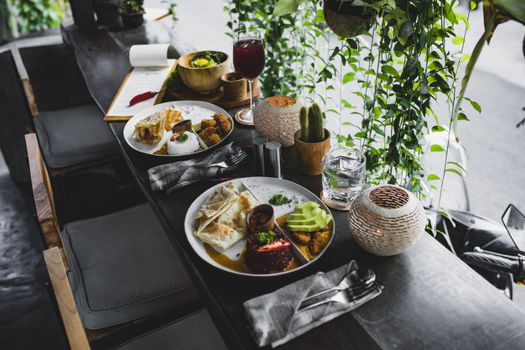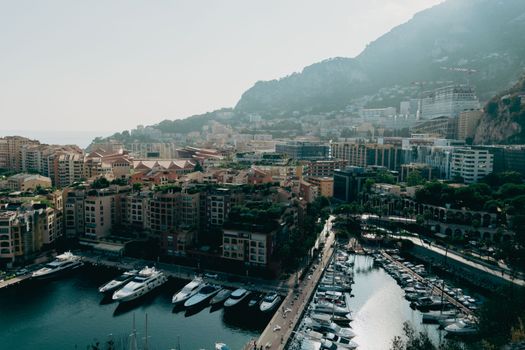
France is synonymous with gastronomy, and for good reason: its culinary traditions are woven into the fabric of daily life and celebrated worldwide. From aromatic bakeries on Parisian corners to the bustling seafood markets of Marseille, each region offers a distinct palate of flavors, specialties, and experiences. Exploring the culinary delights of France is not just about eating well—it's about understanding culture, history, and the French art de vivre. Whether you’re a devoted foodie, a wine enthusiast, or a traveler seeking authentic experiences, this guide will take you on a delicious journey through France’s most iconic and lesser-known gastronomic treasures.
The Regional Tapestry of French Cuisine
French cuisine is not a monolith; it’s a vibrant mosaic shaped by geography, climate, and centuries-old traditions. Each region boasts its own specialties, making culinary exploration a true voyage of discovery.
In the north, Normandy is famed for creamy Camembert cheese, fresh apples, and rich butter, giving rise to dishes like moules à la crème (mussels in cream) and tarte Normande (apple tart). To the east, Alsace blends French and German influences, known for choucroute garnie (sauerkraut with sausages and pork) and crisp white Riesling wines. The south is a Mediterranean paradise, with Provence offering ratatouille, herbes de Provence, and bouillabaisse (a hearty fish stew from Marseille).
The southwest, including Bordeaux and the Dordogne, is the heartland of duck confit, foie gras, and robust red wines. Meanwhile, Lyon, often called the “stomach of France,” is renowned for its bouchons—small, convivial restaurants serving sausages, quenelles, and Lyonnaise potatoes.
To illustrate the diversity, here’s a comparative overview of culinary highlights by region:
| Region | Signature Dish | Famous Ingredient | Notable Drink |
|---|---|---|---|
| Normandy | Moules à la crème | Camembert Cheese | Calvados (Apple Brandy) |
| Alsace | Choucroute Garnie | Sauerkraut | Riesling Wine |
| Provence | Bouillabaisse | Herbes de Provence | Rosé Wine |
| Bordeaux | Duck Confit | Foie Gras | Bordeaux Red Wine |
| Lyon | Quenelles | Pike Fish | Beaujolais Wine |
Market Culture: The Beating Heart of French Food
To truly experience French cuisine, start at the source: the local marché (market). With over 10,000 open-air and covered markets operating across France every week, these vibrant hubs are where locals gather to buy seasonal produce, artisan cheeses, fresh seafood, and charcuterie.
The Marché d’Aligre in Paris, for instance, dates back to the 18th century and bustles with over 40 stalls of fruits, vegetables, and specialty products. In Aix-en-Provence, the weekly market fills entire town squares with the scent of lavender, olives, and freshly baked bread. These markets are more than shopping destinations—they’re social events and a window into the rhythms of French daily life.
A few tips to maximize your market visit: - Arrive early for the freshest selections. - Be ready to sample—vendors often offer tastes of cheese, sausage, or fruit. - Bring cash, as many stalls do not accept cards. - Don’t hesitate to ask for advice or cooking tips; French vendors are proud of their products.The Art of the French Meal: Rituals and Etiquette
Dining in France is as much about ritual as it is about the food itself. The classic French meal is a leisurely affair, often lasting two or more hours, especially on weekends or special occasions. Meals traditionally unfold over several courses: entrée (starter), plat principal (main course), fromage (cheese), and dessert, sometimes followed by coffee or a digestif.
Lunch remains an important meal in France, with many businesses closing for up to two hours between 12:00 and 2:00 p.m. Even in fast-paced cities like Paris, it’s common to see cafés filled with diners enjoying a three-course formule (set menu).
Table manners are taken seriously: - Keep your hands visible (resting on the table, not your lap). - Bread is placed directly on the tablecloth, not on a plate. - Cheese is eaten with a knife and fork, not fingers. - It’s polite to say “bon appétit” before starting a meal.In 2010, UNESCO recognized the “gastronomic meal of the French” as an Intangible Cultural Heritage of Humanity, underscoring the importance of these rituals to French identity.
Wine and Cheese: France’s Perfect Pairing
France produces over 1,200 different types of cheese and is the world’s second-largest wine producer, with an output of 45.6 million hectoliters in 2022. The pairing of wine and cheese is a sacred tradition, and each region offers unique combinations.
In Burgundy, creamy Époisses cheese pairs beautifully with a local Pinot Noir. In Savoie, nutty Beaufort cheese is enjoyed with crisp white wines from the Alps. The Loire Valley is known for goat cheeses like Crottin de Chavignol, complemented by a chilled glass of Sancerre.
Many French restaurants offer a cheese course with several varieties, and visiting a fromagerie (cheese shop) is a must. Don’t be afraid to seek guidance—cheesemongers are experts at recommending pairings based on your taste.
For wine enthusiasts, exploring the wine routes (routes des vins) in regions like Bordeaux, Champagne, and the Rhône Valley allows you to taste at family-run vineyards, learn about winemaking, and soak up stunning countryside views.
Pastries, Bakeries, and the Sweet Side of France
No culinary exploration of France is complete without sampling its legendary baked goods and desserts. France is home to over 35,000 boulangeries (bakeries), where the day begins with the smell of freshly baked baguettes and croissants.
Paris is the birthplace of the macaron, the delicate almond meringue sandwich cookie now enjoyed around the world. In Brittany, buttery kouign-amann is a caramelized pastry treat, while the Basque region is known for gâteau Basque, a custard-filled cake.
Each region has its signature sweets: - Tarte Tatin (caramelized upside-down apple tart) from the Loire Valley - Canelés (caramelized vanilla rum cakes) from Bordeaux - Madeleines (shell-shaped sponge cakes) from LorraineVisiting a patisserie (pastry shop) is as much a feast for the eyes as for the palate. Many shop windows display intricate confections that reflect the artistry and innovation of French pastry chefs.
Hidden Culinary Experiences: Beyond the Restaurant
While France’s Michelin-starred restaurants are renowned, some of the most memorable food experiences happen off the beaten path. In rural villages, you might stumble upon a family-run auberge serving recipes passed down for generations. In cities, contemporary chefs are revitalizing classic dishes with modern twists in bistronomy establishments.
Other unique culinary experiences include: - Cooking classes: Learn to make classic dishes like coq au vin or tarte au citron with local chefs. - Food festivals: The Fête de la Gastronomie in September features tastings and workshops across the country. - Vineyard picnics: Many wineries offer picnic baskets filled with local cheeses, charcuterie, and bread to enjoy among the vines. - Seafood feasts: On the Atlantic coast, join locals at oyster shacks (cabanes à huîtres) for fresh oysters with just a squeeze of lemon.For adventurous eaters, don’t miss regional curiosities such as andouillette (tripe sausage) in Troyes or escargots (snails) in Burgundy—both are acquired tastes but beloved by locals.
Conclusion: Savoring the Journey
Exploring the culinary delights of France is an immersive journey that goes far beyond famous dishes and fine dining. Every region, market, and local table tells a story of tradition, innovation, and joie de vivre. Whether you’re wandering through lavender-scented markets, savoring cheese in a vineyard, or lingering over dessert in a cozy bistro, the flavors of France will linger in your memory long after the journey ends. Bon appétit!