Navigating Cultural Differences
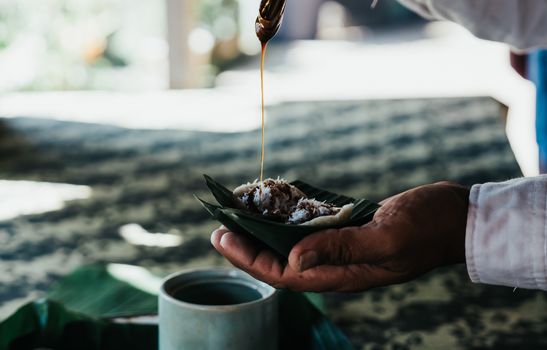
One of the enriching aspects of volunteering abroad is the exposure to different cultures. It's crucial to approach these experiences with sensitivity and openness. Before departing, educate yourself about the country's customs, traditions, and etiquette. Understanding cultural nuances can prevent misunderstandings and help you integrate more smoothly into the community.
Respecting the Environment
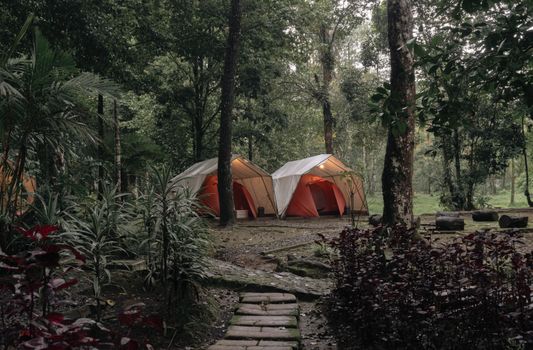
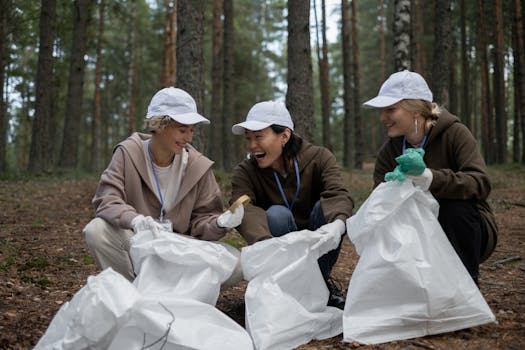
As a volunteer, it's your responsibility to minimize your environmental impact. This is especially important in conservation projects but applies to all types of volunteering. Practice eco-friendly habits like reducing waste, using sustainable transport options when possible, and respecting wildlife and natural resources.
Building Sustainable Relationships
While volunteering, you'll meet people from all walks of life. Building sustainable relationships with local communities, fellow volunteers, and program staff can enhance your experience and support positive outcomes. These connections can also provide a network of global contacts that may be valuable in your future personal and professional endeavors.
Evaluating the Experience
After completing your volunteer stint, take the time to evaluate your experience. Consider what went well and what could be improved. This reflection can be incredibly valuable for the organization as they look to enhance their programs. Providing feedback, whether positive or constructive, can help future volunteers have an even more effective experience.
Continuing Engagement
Returning home doesn’t mean the end of your volunteer journey. Many volunteers choose to continue supporting their projects from afar through fundraising, advocacy, or remote volunteer work. Staying engaged with the organization and its goals can extend the impact of your efforts and keep the spirit of volunteering alive.
Legal and Ethical Considerations
Be mindful of the legal and ethical implications of your volunteer work. Some regions have specific laws that might affect volunteering activities, especially in areas like wildlife conservation or working with vulnerable populations. Ensure that the program is operating within legal frameworks and adhering to ethical standards, which protect both the volunteer and the community.
Leveraging Skills and Experience
Consider how the skills and experiences you gain can be applied in your life and career. Volunteering abroad can provide you with unique skills such as language proficiency, cross-cultural communication, leadership, and adaptability. Reflect on these skills and think about how they can be articulated in your resume or professional interviews to advance your career.
Final Thoughts
Volunteering abroad demands courage, flexibility, and a deep desire to contribute to global communities. By thoroughly preparing, engaging earnestly with the local culture, and reflecting on your experiences, you can make your volunteer journey not only a memorable adventure but also a profound life experience that resonates with you and those around you long after you've returned home.