Embarking on a culinary adventure through the world’s most vibrant street food markets is more than just a quest for great flavors—it’s a deep dive into culture, community, and creativity. Far from polished restaurants, these bustling markets serve as the heart and soul of cities, offering an authentic taste of local life. With every sizzling wok, aromatic spice, and flavorful bite, street food markets reveal stories and traditions that have been cherished for generations. In this article, we’ll explore some of the best street food markets across continents, discover signature dishes, compare their unique offerings, and provide essential tips for making the most of your next global food journey.
The Global Appeal of Street Food Markets
Street food is an age-old phenomenon, but its popularity has soared in recent decades. According to the United Nations Food and Agriculture Organization, over 2.5 billion people consume street food daily worldwide. The allure is undeniable: affordable prices, freshly prepared dishes, and a social atmosphere that connects locals and travelers alike.
Why do people flock to street food markets? It’s not just about cheap eats—it’s about experiencing the pulse of a city. Markets like Bangkok’s Chatuchak, Mexico City’s Mercado de San Juan, and Istanbul’s Kadıköy serve as cultural crossroads where food, language, and tradition blend seamlessly. These markets offer everything from classic comfort food to daring delicacies, each reflecting the spirit of its locale.
Street food markets are also economic powerhouses. The global street food market was valued at approximately $1.5 trillion USD in 2023, a testament to its vital role in urban economies and tourism. For many cities, these markets are both a daily necessity and a major tourist attraction.
Asia’s Sensory Overload: Markets that Never Sleep
No region is more synonymous with street food than Asia. Cities like Bangkok, Hanoi, and Taipei are legendary for their bustling markets, where food is cooked and consumed at all hours. Let’s journey through a few of Asia’s most iconic street food destinations.
Bangkok’s Yaowarat Night Market is famed for its endless rows of stalls offering everything from spicy tom yum soup to crispy mango sticky rice. According to the Tourism Authority of Thailand, Yaowarat attracts over 10,000 visitors nightly. In Vietnam, Hanoi’s Old Quarter transforms every evening into a labyrinth of street vendors selling pho, banh mi, and egg coffee—each dish a reflection of Vietnam’s vibrant history and French colonial influence.
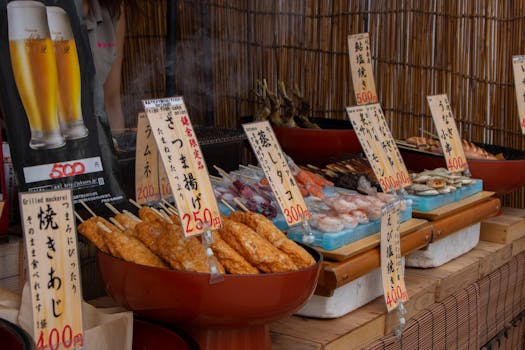
Taipei’s Shilin Night Market, the largest in Taiwan, is renowned for its stinky tofu, oyster omelets, and bubble tea. In 2019, it boasted over 500 food stalls and drew more than 70,000 visitors on peak nights. These markets illustrate the diversity and dynamism of Asian street food culture, where culinary innovation meets time-honored tradition.
European Marketplaces: Tradition Meets Trend
Europe’s street food scene may not be as chaotic as Asia’s, but it offers a rich tapestry of flavors and experiences that reflect centuries-old traditions. Markets like London’s Borough Market, Barcelona’s La Boqueria, and Berlin’s Markthalle Neun are celebrated not just for their food, but for their historical significance and community spirit.
London’s Borough Market, dating back over 1,000 years, has evolved into a mecca for food lovers. Here, you’ll find everything from British classics like Scotch eggs and Cornish pasties to international flavors such as Ethiopian injera and Spanish chorizo. The market spans 8,500 square meters and hosts over 100 traders.
In Barcelona, La Boqueria offers a vibrant mix of Catalan specialties: jamón ibérico, seafood paella, and fresh fruit juices. Over 40,000 people visit daily, making it one of Europe’s most popular food markets. Meanwhile, Berlin’s Markthalle Neun marries old-world charm with modern street food trends, hosting weekly events like “Street Food Thursday” that draw locals and tourists for artisanal bites and craft beverages.
Latin America’s Flavorful Gatherings: From Tacos to Tamales
Latin America’s street food markets are a feast for the senses, blending indigenous ingredients with Spanish, African, and Asian influences. In cities like Mexico City, Lima, and Buenos Aires, street food isn’t just a quick meal—it’s a cherished tradition.
Mexico City’s Mercado de la Merced is one of the largest in Latin America, spanning over 310,000 square meters and employing nearly 30,000 vendors. Here, you’ll encounter an astonishing array of tacos, tamales, quesadillas, and aguas frescas. Each stall offers a unique spin on classics, from slow-cooked barbacoa to spicy chiles en nogada.
In Lima, the Surquillo Market is a gateway to Peru’s diverse culinary heritage. Dishes like ceviche, anticuchos (grilled beef heart skewers), and picarones (sweet potato doughnuts) showcase the country’s fusion of Andean, Spanish, and Asian flavors. Lima’s street food scene was even recognized by UNESCO, naming Peruvian cuisine an intangible cultural heritage in 2011.
Buenos Aires’ San Telmo Market is a paradise for meat lovers, with choripán (chorizo sausage sandwiches), empanadas, and dulce de leche treats. The market’s 120-plus stalls are a microcosm of Argentina’s rich food culture, from Italian-inspired pizzas to indigenous maize-based dishes.
African and Middle Eastern Markets: Spice, Smoke, and Social Life
Africa and the Middle East offer some of the world’s most aromatic and lively street food experiences. In Marrakech, the Djemaa el-Fna square is a living theater where food, music, and storytelling converge every night. The market comes alive with the scent of grilled lamb, steaming harira soup, and sweet mint tea. According to Morocco’s tourism ministry, Djemaa el-Fna draws over 1 million visitors annually.
Istanbul’s Kadıköy Market is another culinary hotspot, blending Turkish, Greek, and Middle Eastern flavors. Must-try dishes include simit (sesame bread rings), döner kebab, and midye dolma (stuffed mussels). The market is famous for its communal spirit, where locals gather for leisurely breakfasts and late-night snacks.
Cape Town’s Neighbourgoods Market is a modern twist on the traditional African bazaar. Launched in 2006, it brings together food stalls from across the continent, offering everything from South African bunny chow to Ethiopian injera. The market attracts over 4,000 visitors each weekend and has helped revitalize the city’s Woodstock neighborhood.
Comparing the World’s Top Street Food Markets
To help you map out your next culinary adventure, here’s a side-by-side comparison of some of the world’s most famous street food markets:
| Market | Location | Signature Dishes | Estimated Visitors per Day | Year Established |
|---|---|---|---|---|
| Yaowarat Night Market | Bangkok, Thailand | Tom yum, mango sticky rice, grilled seafood | 10,000+ | Late 19th century |
| Borough Market | London, UK | Scotch eggs, artisanal cheeses, world cuisine | 4,500 | 11th century |
| La Boqueria | Barcelona, Spain | Jamón ibérico, paella, fresh juices | 40,000 | 1217 |
| Mercado de la Merced | Mexico City, Mexico | Tacos, tamales, aguas frescas | 30,000 | 1957 |
| Djemaa el-Fna | Marrakech, Morocco | Grilled lamb, harira soup, mint tea | 2,700 | 11th century |
| Shilin Night Market | Taipei, Taiwan | Stinky tofu, oyster omelets, bubble tea | 70,000 (peak nights) | Early 20th century |
Tips for Navigating Street Food Markets Safely and Deliciously
Exploring street food markets can be exhilarating, but it’s wise to keep a few practical tips in mind to maximize your enjoyment and minimize any risks.
1. Follow the crowds: Look for vendors with long lines—locals know where to find the freshest, safest, and tastiest food. 2. Observe hygiene: Choose stalls where food is cooked to order and utensils are kept clean. If in doubt, opt for grilled, baked, or boiled items. 3. Sample small: Start with small portions so you can try a wider variety of dishes without overdoing it. 4. Mind your allergies: Be sure to ask about ingredients, especially if you have food allergies or dietary restrictions. Many markets are happy to accommodate or suggest alternatives. 5. Bring cash: Most street food markets operate on a cash-only basis, so keep small bills handy. 6. Embrace the experience: Don’t be afraid to try something new or unfamiliar. Some of the world’s best culinary memories are made when you step outside your comfort zone.The Cultural Impact of Street Food Markets
Street food markets are much more than places to eat—they are living museums of culinary heritage and social exchange. Markets help preserve traditional recipes, foster entrepreneurship, and provide vital income for millions of vendors worldwide. In cities like Singapore, where hawker culture was added to the UNESCO Intangible Cultural Heritage list in 2020, street food is a symbol of national identity.
These markets also play a crucial role in urban development, revitalizing neighborhoods and attracting international visitors. According to the World Tourism Organization, culinary tourism has grown by 17% annually since 2018, with street food experiences ranking among the top activities for travelers.
By supporting local vendors and celebrating diverse flavors, street food enthusiasts contribute to the preservation of food heritage and the sustainability of cities. Every bite is an act of cultural appreciation and global connection.
Final Thoughts on the World’s Best Street Food Markets
Whether you’re savoring a spicy taco in Mexico City, nibbling on stinky tofu in Taipei, or sipping mint tea in Marrakech, street food markets offer a passport to the world’s most authentic flavors and experiences. These bustling hubs reflect the resilience, creativity, and warmth of the communities they serve. As you plan your next culinary journey, remember that the magic of street food lies not just in the dishes, but in the stories, smiles, and shared moments that make each market unique. Bon voyage and bon appétit!