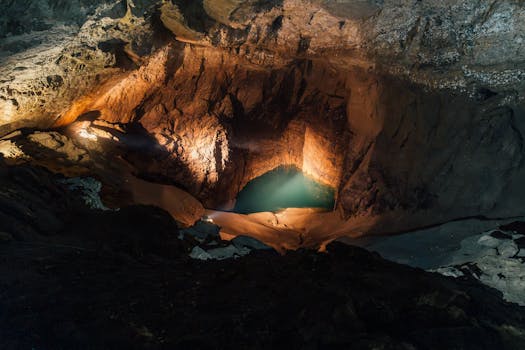
Hidden Natural Wonders: Exploring the Best Kept Outdoor Secrets
Every year, millions flock to iconic natural landmarks like the Grand Canyon, the Great Barrier Reef, and Mount Fuji. While these destinations are undeniably awe-inspiring, they can also become crowded, commercialized, and, at times, overwhelming. Yet, the world is bursting with lesser-known outdoor wonders—hidden gems that offer solitude, breathtaking beauty, and an authentic connection to the wild. Exploring these best kept secrets not only rewards the intrepid traveler with unique experiences, but also helps spread the benefits of tourism to lesser-visited regions, supporting conservation and local communities.
Join us as we uncover some of the planet’s most remarkable hidden natural wonders. From crystal-clear lakes nestled in remote mountains to mysterious underground caves and untouched islands, this guide spotlights locations that remain under the radar—perfect for adventurers seeking something truly extraordinary.
The Allure of Hidden Outdoor Gems
What makes a hidden natural wonder so special? Part of the magic lies in their exclusivity. These locations are often less accessible, require a sense of adventure, or simply haven’t been featured in glossy travel brochures. The reward for those who seek them out is profound: peace, pristine landscapes, and the thrill of discovery.
For example, while Niagara Falls draws over 12 million visitors annually, the Havasu Falls in Arizona—a turquoise waterfall tucked deep within the Grand Canyon—attracts only a fraction of that number, offering a much more tranquil experience. Hidden wonders also play a crucial role in conservation. By spreading out tourism, they help reduce environmental strain on famous sites and bring economic opportunities to remote communities.
Secret Water Paradises: Lakes, Waterfalls, and Grottoes
Water is often at the heart of the world’s most enchanting natural sites. While many flock to well-known beaches and lakes, hidden aquatic treasures await those willing to venture off the beaten path.
Plitvice Lakes National Park in Croatia, for example, is gaining recognition, but its smaller cousin, Krka National Park, remains relatively unknown. Krka features a series of seven waterfalls, lush forests, and emerald pools where visitors can swim—unlike the strictly preserved Plitvice.
Similarly, the Marble Caves of Chile’s General Carrera Lake are a surreal spectacle. Accessible only by boat, these swirling blue-and-white caverns have been sculpted by water over 6,000 years. With fewer than 20,000 visitors per year, it’s a hidden sanctuary compared to the millions at other South American attractions.
In Italy, the Grotta della Poesia, or “Cave of Poetry,” is a natural sea pool carved into limestone, often bypassed for the Amalfi Coast. Yet, its crystalline waters and remote setting have earned it a spot on the world’s most beautiful natural swimming holes lists.
Mysterious Underground Worlds
Beneath the earth’s surface, entire worlds remain largely unexplored. Caves, sinkholes, and subterranean rivers offer adventure and wonder far from the sunlit trails.
Son Doong Cave in Vietnam, discovered only in 1991 and opened to tourism in 2013, is the world’s largest cave. Its main chamber is over 5 kilometers long, 200 meters high, and 150 meters wide—large enough to house a Boeing 747. Only about 1,000 people have visited Son Doong since tours began, making it one of the most exclusive outdoor experiences on the planet.
In Belize, the Actun Tunichil Muknal Cave is not only an archaeological site but also a natural marvel, featuring crystal-clear streams, cathedral-like chambers, and ancient Mayan artifacts. Guided tours are strictly limited to protect its fragile ecosystem—visitors must wade and swim through the cave, heightening the sense of adventure.
And in Iceland, the Vatnajökull Ice Caves form each winter under Europe’s largest glacier, revealing sapphire-blue tunnels that appear and vanish with the seasons. These ephemeral wonders are accessible only for a few months each year, making them a true bucket-list item for explorers.
Remote Islands and Untouched Coastlines
While tropical destinations like Bali and the Maldives attract millions, scattered across the globe are islands and coastlines where nature reigns supreme and crowds are nowhere to be found.
Socotra Island, off the coast of Yemen, is sometimes called the “Galapagos of the Indian Ocean.” Over one-third of its plant species are found nowhere else on Earth, including the otherworldly dragon’s blood tree. With fewer than 5,000 tourists annually, Socotra’s beaches and limestone plateaus remain largely unspoiled.
In Canada, Haida Gwaii (formerly the Queen Charlotte Islands) is an archipelago rich in indigenous culture and ancient rainforests. The islands support 39 distinct species of mammals and birds not found anywhere else in Canada. Strict visitor limits help preserve their unique ecosystem.
For European travelers, the Faroe Islands offer dramatic cliffs, turf-roofed villages, and puffin colonies with just 60,000 visitors per year—a fraction of the 2 million who visit Iceland annually. The islands’ remoteness and unpredictable weather only add to their wild charm.
Enchanted Forests and Hidden Valleys
Forests and valleys have long inspired myths and legends, and some of the world’s most magical examples are rarely found on standard tourist maps.
The Yakushima Forest in Japan is a UNESCO World Heritage Site that receives far fewer visitors than nearby Kyoto or Mount Fuji. Covered in ancient cedar trees—some over 2,000 years old—it inspired the mystical setting of Studio Ghibli’s “Princess Mononoke.” The island receives more than 4,000 mm of rainfall annually, supporting lush, moss-draped landscapes teeming with rare wildlife.
The Valley of Flowers National Park in India is nestled high in the Himalayas and is accessible only by a 17-kilometer trek. Every summer, the valley erupts in a riot of colors as over 500 species of alpine flowers bloom. With strict daily visitor limits to protect its fragile ecosystem, only about 10,000 people make the journey each year.
In the United States, the Enchantments in Washington State offer alpine lakes and jagged peaks, but require a special permit for overnight camping. The area’s limited access helps keep its pristine character intact, and lucky visitors may spot mountain goats, marmots, and wildflowers.
Comparing Hidden Natural Wonders: Visitor Numbers, Accessibility, and Uniqueness
How do hidden wonders compare to famous sites? Below is a snapshot of select destinations, illustrating how exclusivity, accessibility, and biodiversity set them apart.
| Name | Country | Annual Visitors | Accessibility | Unique Features |
|---|---|---|---|---|
| Son Doong Cave | Vietnam | ~1,000 | Guided expedition only | World's largest cave |
| Socotra Island | Yemen | ~5,000 | Remote; few flights | Unique flora/fauna |
| Krka National Park | Croatia | ~1 million | Car, bus, or boat | Swimmable waterfalls |
| Haida Gwaii | Canada | ~12,000 | Ferry or flight | Indigenous culture |
| Marble Caves | Chile |
More from the archiveView full article archive →
myglobaltravelguides.com
Affordable Luxury Dining: Tips to Enjoy Five-Star Meals on a Budget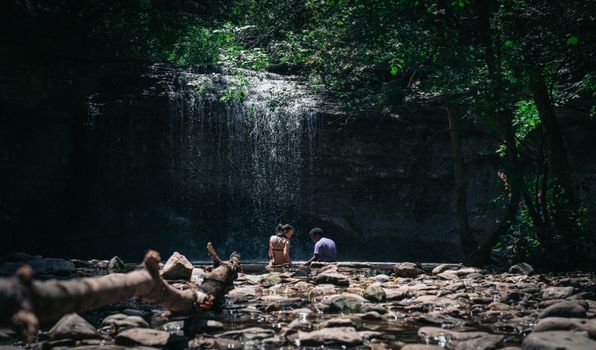
myglobaltravelguides.com
Discover Hollywood's Hidden Nature Gems: Urban Escapes & Green Sanctuaries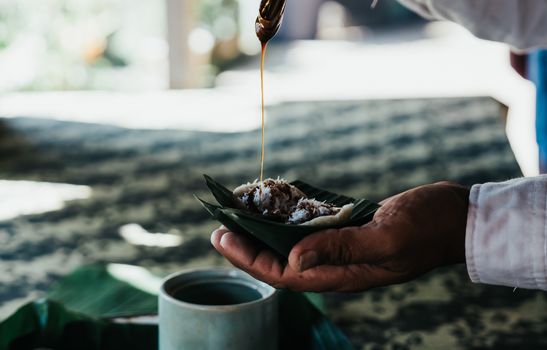
myglobaltravelguides.com
Explore Asia's Exotic Street Eats: A Guide to Unique Culinary Delights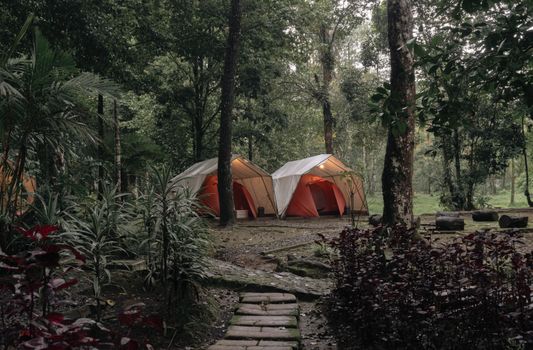
myglobaltravelguides.com
2024's Best Outdoor Festivals for Nature Lovers: A Must-Experience Guide
myglobaltravelguides.com
Top 10 Affordable Tropical Beaches for Every Budget Traveler
myglobaltravelguides.com
Explore Hidden Hollywood: Discover Tinseltown's Best Kept Secrets!
myglobaltravelguides.com
Unlock Luxury Travel in Europe: Tips for Glamour on a Budget
myglobaltravelguides.com
Explore the Unseen: Top Hidden Gem Destinations for Outdoor Adventure 2024 |