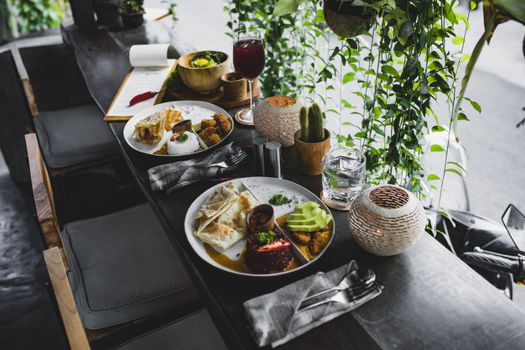
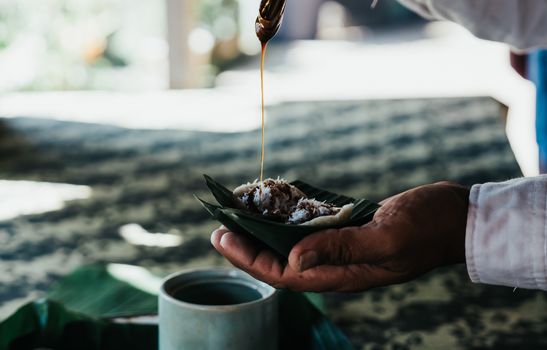
Street food is more than just a quick bite on the go—it’s a vibrant expression of local culture, history, and creativity. Across continents, street food festivals have transformed cities into culinary playgrounds, offering travelers and locals a chance to taste, explore, and celebrate diverse flavors. In recent years, these festivals have grown in scale and popularity, attracting millions and generating significant economic impact. Whether you’re a seasoned foodie or a curious traveler, this guide will take you on a mouthwatering journey through the world’s best street food festivals, revealing what makes each one unique and how they contribute to the global food scene.
The Rise of Street Food Festivals: A Global Phenomenon
Street food has long been an essential part of daily life in many countries, from bustling night markets in Asia to food trucks in North America. However, the concept of dedicated street food festivals is a relatively recent development. These events have surged in popularity over the last decade, fueled by social media, the rise of culinary tourism, and a growing appreciation for authentic, affordable cuisine.
According to a 2022 report by Allied Market Research, the global street food market was valued at $1.2 trillion in 2021 and is projected to reach $2.8 trillion by 2030. Street food festivals contribute significantly to this growth, drawing crowds ranging from a few thousand to over a million visitors annually. For example, the annual World Street Food Congress in Singapore has attracted more than 50,000 attendees in a single edition, while London’s Street Feast markets see over 1 million visitors each year.
These festivals serve as cultural showcases, offering not just food, but music, art, cooking demonstrations, and community engagement. They create opportunities for small food vendors to reach new audiences and for visitors to experience the world’s flavors in one place.
Signature Street Food Festivals by Region
Every region has its own signature street food festival, reflecting local tastes and culinary traditions. Here are some of the most iconic events around the globe:
Asia: The World Street Food Congress (Singapore) This landmark event gathers street food legends from across Asia and beyond, offering a curated selection of dishes such as Singaporean chili crab, Filipino adobo, and Thai pad thai. The Congress includes a dialogue segment where chefs and food entrepreneurs discuss culinary trends and preservation of food heritage.
Europe: Taste of London (United Kingdom) Taste of London transforms Regent’s Park into a gourmet wonderland, featuring more than 40 restaurants and dozens of street food stalls. Visitors can sample British classics like fish and chips or international fare from London’s diverse neighborhoods. The festival attracts over 55,000 food lovers annually.
North America: Smorgasburg (USA) Originating in Brooklyn, New York, Smorgasburg is the largest weekly open-air food market in America, with over 100 vendors and 20,000 visitors every weekend. It has expanded to Los Angeles and Miami, offering everything from ramen burgers to vegan tacos.
South America: Mistura (Peru) Held in Lima, Mistura is Latin America’s largest food festival, drawing over 400,000 visitors each year. It celebrates Peru’s rich culinary heritage, with street vendors serving ceviche, anticuchos (grilled beef heart skewers), and picarones (sweet potato doughnuts).
Africa: Nairobi Street Food Festival (Kenya) Nairobi’s festival showcases East African street food like nyama choma (grilled meat), mandazi (sweet fried dough), and samosas. The event also features live music and cultural performances, making it a celebration of Kenyan urban life.
What Sets Street Food Festivals Apart from Traditional Food Events?
While traditional food festivals often focus on gourmet experiences, celebrity chefs, or high-end tastings, street food festivals emphasize accessibility, diversity, and community. Here are some key differences:
Accessibility: Entrance fees are generally low or free, and portions are small and affordable, allowing visitors to sample a wide variety of dishes without breaking the bank.
Vendor Diversity: Street food festivals highlight small, independent vendors rather than established restaurants. This gives a platform to up-and-coming chefs, home cooks, and family-run stalls.
Atmosphere: The vibe is informal and lively, with music, games, and interactive experiences. Many festivals are held outdoors, creating a market-like environment where visitors can wander, mingle, and eat standing up or at communal tables.
Cultural Exchange: Street food festivals often feature cooking demonstrations, cultural performances, and workshops, fostering a deeper understanding of food traditions.
Here’s a quick comparison between typical street food festivals and traditional food festivals:
| Aspect | Street Food Festivals | Traditional Food Festivals |
|---|---|---|
| Entry Fee | Low or free | Moderate to high |
| Vendor Type | Small vendors, food trucks, home cooks | Restaurants, celebrity chefs |
| Food Price | Affordable, small portions | Expensive, large portions |
| Atmosphere | Casual, festive | Formal, structured |
| Diversity | Wide variety, global influences | Often focused on specific cuisine or theme |
| Audience | All ages, locals and tourists | Primarily food enthusiasts and tourists |
Economic and Social Impact of Street Food Festivals
Street food festivals are more than just fun events; they play a significant role in supporting local economies and fostering social connections. Here are some noteworthy impacts:
Boosting Small Businesses: Many street food vendors operate on thin margins and lack access to traditional marketing channels. Festivals provide exposure to thousands of potential customers, often leading to increased revenue and media coverage. For instance, after participating in Smorgasburg, several vendors have opened their own brick-and-mortar restaurants in New York City.
Tourism and Local Revenue: Festivals attract visitors from neighboring cities and international destinations, increasing demand for hotels, transportation, and other services. In 2019, the Taste of Chicago festival generated an estimated $106 million in economic impact for the city.
Community Building: By bringing people together in public spaces, street food festivals encourage social interaction and cultural exchange. They often partner with local charities, schools, and artists, reinvesting in the community.
Preserving Culinary Heritage: Many festivals highlight traditional recipes and cooking techniques that might otherwise fade away. The World Street Food Congress, for example, includes a “heritage heroes” segment, honoring vendors who preserve rare or endangered dishes.
Street Food Festival Trends: Sustainability, Innovation, and Health
As street food festivals evolve, several trends are shaping their future:
Sustainability Initiatives: Many festivals are adopting eco-friendly practices, such as banning single-use plastics, offering compostable utensils, and sourcing ingredients locally. The Street Food Festival in Berlin, Germany, has implemented a zero-waste policy, encouraging vendors to minimize packaging and food waste.
Health-Conscious Offerings: Responding to demand for healthier options, festivals now feature more vegetarian, vegan, and gluten-free dishes. At the Sydney Night Noodle Markets in Australia, nearly 30% of vendors offer plant-based meals.
Tech Integration: Cashless payments, online pre-ordering, and mobile apps are streamlining the festival experience. Some events, like the Singapore Food Festival, offer virtual reality tours and interactive cooking classes online.
Global Fusion: Chefs are experimenting with cross-cultural mashups—think sushi burritos, kimchi tacos, or Indian-inspired poutine—reflecting the increasingly global palate of festival-goers.
How to Plan Your Street Food Festival Adventure
Attending a street food festival can be the highlight of any trip, but planning ahead ensures you get the most out of the experience. Here are some tips for festival-goers:
Research Dates and Locations: Festivals may be seasonal or annual, and some cities host multiple events throughout the year. Popular festivals like the Night Noodle Markets in Australia coincide with city-wide celebrations, so check local calendars.
Arrive Early: The best dishes often sell out quickly, especially at popular stalls. Arriving at opening time lets you avoid the largest crowds and ensures access to fan favorites.
Budget Wisely: With so many tempting options, it’s easy to overspend. Set a budget for food, drinks, and activities, and bring cash or a credit card (some vendors may only accept one or the other).
Embrace Variety: Share dishes with friends to sample as many flavors as possible. Don’t be afraid to try something unfamiliar—street food festivals are all about discovery.
Mind the Lines: Popular vendors can have long queues. Use the time to chat with locals, watch cooking demonstrations, or enjoy live music.
Consider Food Safety: While most festivals uphold high standards, it’s wise to choose stalls with busy lines (a sign of freshness) and observe basic hygiene practices.
Final Thoughts on Exploring Street Food Festivals Worldwide
Street food festivals are more than just events—they’re immersive journeys into the heart of global food culture. They offer an unparalleled chance to taste authentic dishes, meet passionate cooks, and experience the buzz of city life in a communal setting. As street food festivals continue to expand and evolve, they remain essential for culinary adventurers seeking both tradition and innovation. Whether you’re savoring satay in Singapore, tacos in Los Angeles, or arepas in Lima, the world’s street food festivals promise unforgettable flavors and vibrant memories.