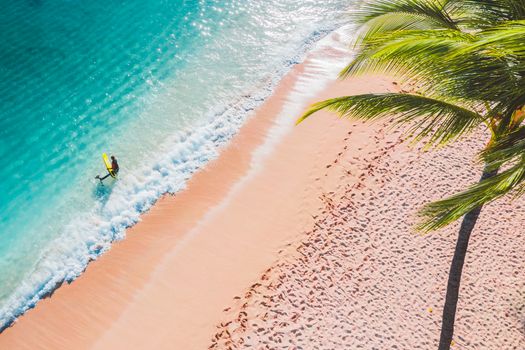
The Caribbean conjures images of turquoise waters, powder-white beaches, and a rhythm of life that’s as warm as the sun overhead. But beyond the postcards and travel ads, the Caribbean is a vibrant tapestry of cultures, landscapes, and experiences. Whether you’re a first-time visitor or a seasoned island-hopper, discovering the Caribbean means uncovering its many layers: diverse history, dazzling biodiversity, flavorful cuisine, and one-of-a-kind adventures. Here’s your in-depth guide to experiencing the real Caribbean—a tropical paradise that’s as rich as it is relaxing.
The Many Faces of the Caribbean: Geography and Diversity
Spanning more than 1.06 million square miles, the Caribbean region encompasses over 700 islands, islets, reefs, and cays. It stretches from the Bahamas in the north to Trinidad and Tobago in the south, bordering the Atlantic Ocean and the Caribbean Sea. While many travelers picture the Caribbean as a string of sandy beaches, the diversity goes much deeper.
The Greater Antilles—comprising Cuba, Jamaica, Hispaniola (shared by Haiti and the Dominican Republic), and Puerto Rico—are the largest islands. The Lesser Antilles, including Barbados, St. Lucia, Grenada, and others, form an arc of smaller islands. The region also includes mainland countries with Caribbean coastlines, such as Belize, Colombia, and Venezuela.
This geographic variety brings a remarkable range of landscapes: volcanic peaks in St. Vincent and Dominica, lush rainforests in Puerto Rico, arid cactus-studded terrain in Aruba, and serene coral atolls in the Bahamas. The Caribbean’s population of over 44 million people represents a mosaic of cultures, languages, and traditions, shaped by centuries of migration, colonization, and resilience.
Beyond Beaches: Natural Wonders and Wildlife
The Caribbean is famous for its beaches, but its natural wonders go far beyond the shoreline. The region is a hotspot for biodiversity, home to more than 10,000 plant species (of which over 70% are endemic) and hundreds of animal species found nowhere else on Earth.
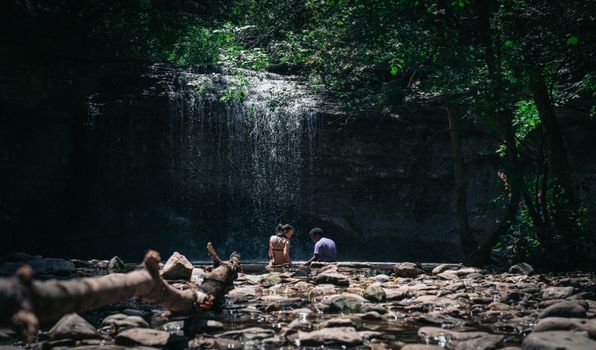
Rainforests like El Yunque in Puerto Rico and the Blue Mountains in Jamaica offer hiking trails through misty jungles filled with orchids, hummingbirds, and waterfalls. Dominica’s Boiling Lake, the world’s second-largest hot spring, bubbles amid a landscape of ferns and volcanic cliffs.
Coral reefs are another Caribbean treasure. The Belize Barrier Reef is the world’s second-largest, stretching 190 miles and supporting over 500 species of fish. Snorkelers and divers flock to spots like Bonaire, the Cayman Islands, and the Turks and Caicos for vibrant underwater worlds teeming with life.
The Caribbean is also a sanctuary for rare wildlife. The endangered West Indian manatee glides through the waters of Belize and the Dominican Republic, while the critically endangered Jamaican iguana makes its home in the island’s forests. Birdwatchers can spot the resplendent St. Vincent parrot or the colorful Cuban tody.
A Melting Pot of Cultures and Histories
Perhaps the Caribbean’s greatest allure is its cultural richness. The islands have been shaped by a unique blend of Indigenous, African, European, and Asian influences. This fusion is evident in everything from architecture to language, music to festivals.
English, Spanish, French, and Dutch are the main official languages, but dozens of creole dialects and indigenous tongues are spoken. Cities like Havana, San Juan, and Willemstad boast colonial-era fortresses, pastel-hued buildings, and lively plazas.
The Caribbean’s music is world-renowned, from the reggae beats of Jamaica to Trinidad’s calypso and steelpan, the merengue of the Dominican Republic, and Cuba’s salsa and son. Annual festivals like Barbados’ Crop Over and Trinidad’s Carnival are dazzling spectacles of color, dance, and community spirit.
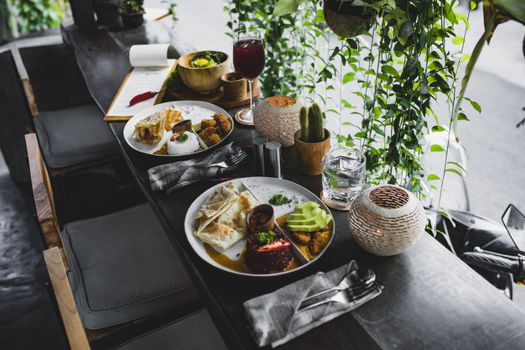
Food is another expression of the region’s diversity. Dishes like Jamaican jerk chicken, Trinidadian doubles, Bajan flying fish, and Puerto Rican mofongo blend local ingredients with global influences. Rum, invented in the Caribbean in the 17th century, remains a celebrated spirit, with distilleries offering tastings and tours throughout the islands.
Adventure and Activities: From Sailing to Volcano Hikes
The Caribbean offers far more than sunbathing. Adventure seekers will find a playground of activities for every interest and skill level.
Sailing is a classic way to explore the region. The British Virgin Islands are known as the “Sailing Capital of the Caribbean,” with over 50 islands and countless sheltered bays. Yacht charters, whether bareboat or crewed, allow travelers to island-hop at their own pace.
Hiking and eco-tours have surged in popularity, especially on islands like Dominica (“The Nature Island”) and St. Lucia, where the iconic Pitons rise more than 2,600 feet above the sea. Guided treks can lead you to volcanic craters, hidden waterfalls, and lush botanical gardens.
For underwater enthusiasts, the Caribbean is a top global destination for scuba diving and snorkeling. The Cayman Islands’ “Stingray City” lets visitors interact with gentle southern stingrays, while the Blue Hole in Belize attracts divers from around the world.
Thrill-seekers can try zip-lining in St. Kitts, kite-surfing in Aruba, or cave tubing in Belize’s underground rivers. Whale-watching is also popular, especially in the Dominican Republic’s Samaná Bay, where thousands of humpback whales migrate each winter.
Choosing Your Caribbean Paradise: A Comparison of Top Islands
With so many islands to choose from, how do you find your ideal Caribbean getaway? Each destination has its own personality, highlights, and best times to visit. Here’s a quick comparison of some of the region’s most popular islands:
| Island | Main Attractions | Best Time to Visit | Unique Experience | Average Daily Cost (USD) |
|---|---|---|---|---|
| Jamaica | Beaches, Blue Mountains, Waterfalls, Reggae | November to mid-December, March to May | Bob Marley Museum, Dunn’s River Falls | 120-200 |
| Barbados | Platinum Coast, Oistins Fish Fry, Crop Over | December to April | Historic Bridgetown, Surfing at Soup Bowl | 150-250 |
| St. Lucia | Pitons, Rainforest, Volcanic Mud Baths | December to May | Climbing Gros Piton, Sulphur Springs | 180-300 |
| Bahamas | Exumas, Nassau, Swimming Pigs | November to April | Snorkeling Thunderball Grotto | 200-350 |
| Cuba | Old Havana, Cienfuegos, Vinales Valley | November to April | Classic Cars, Salsa Dancing | 60-120 |
| Aruba | Beaches, Arikok National Park, Casinos | April to August | Windsurfing, Flamingo Beach | 180-250 |
This table provides just a snapshot, but every Caribbean destination offers its own blend of scenery, culture, and activities. Whether you’re seeking luxury resorts, eco-lodges, or boutique hotels, there’s something for every taste and budget.
Travel Tips for a Sustainable and Enriching Caribbean Experience
Traveling responsibly in the Caribbean helps preserve its beauty for generations to come and ensures you have a meaningful experience. Here are some essential tips:
1. Respect Local Cultures: Learn a few words in the local language, support local artisans, and observe cultural customs. Many islands have deep-rooted traditions—ask before taking photos at festivals or sacred sites. 2. Protect the Environment: Coral reefs are fragile—never touch or stand on them while snorkeling or diving. Use reef-safe sunscreen to prevent chemical damage to marine life. Participate in beach cleanups if you have the chance. 3. Choose Responsible Operators: From eco-lodges to tour companies, look for businesses that prioritize sustainability, fair labor, and community support. The Caribbean Alliance for Sustainable Tourism (CAST) certifies many such organizations. 4. Explore Beyond Resorts: While all-inclusive resorts are popular, venturing outside their walls brings you closer to authentic Caribbean life. Visit local markets, try street food, and explore lesser-known villages and parks. 5. Mind the Seasons: The Caribbean’s high season runs from December to April, with dry weather and higher prices. Hurricane season spans June to November—traveling in the shoulder months (May, early December) can mean fewer crowds and better deals.Conclusion: Embrace the Caribbean’s True Spirit
The Caribbean is far more than a sun-and-sand escape. It’s a living, breathing region with a rich history, a kaleidoscope of cultures, and an astonishing array of natural wonders. Each island and coastline invites you to dive deeper—whether that means learning a new dance, tasting a new spice, or hiking to a misty peak.
By approaching the Caribbean with curiosity and respect, you’ll discover that its true paradise is found not just in its scenery, but in its people and stories. So pack your bags, open your senses, and get ready to experience the Caribbean’s magic like never before.