A Guide to Exploring the Majestic Mountains of Nepal
Nestled between the high plateaus of Tibet and the lush plains of India, Nepal is a country defined by its awe-inspiring mountain landscapes. Home to eight of the world’s fourteen peaks over 8,000 meters, including the legendary Mount Everest, Nepal is a dream destination for trekkers, climbers, and adventure seekers from around the globe. But the appeal of Nepal’s mountains goes far beyond just summiting their snowy heights. The region offers a unique blend of natural beauty, rich cultural heritage, and biodiversity that makes every journey a memorable experience. Whether you are a seasoned mountaineer or a curious traveler eager to soak in Himalayan vistas, Nepal’s mountains promise an adventure like no other.
The Himalayan Range: Nepal’s Towering Crown
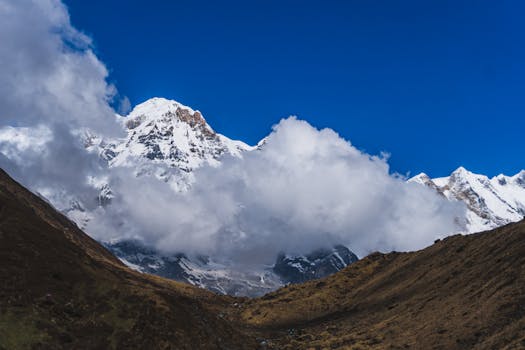
Nepal’s northern border is dominated by the Himalayas, the world’s highest mountain range. Stretching over 800 kilometers across the country, the Nepalese Himalayas boast a staggering concentration of high peaks, deep valleys, and glacial rivers. The most iconic is Mount Everest (Sagarmatha), standing at 8,848.86 meters, making it the tallest point on Earth. Alongside Everest, peaks like Kanchenjunga (8,586 meters), Lhotse (8,516 meters), and Makalu (8,485 meters) draw climbers and trekkers eager to test their limits.
But Nepal’s mountains are more than just their heights. The varying altitudes create diverse microclimates, from subtropical woodlands to alpine deserts, supporting a wide array of plant and animal life. The Annapurna and Langtang ranges, for instance, are renowned for their scenic trekking routes, traditional villages, and rich biodiversity. More than 29 million people live in Nepal, many in mountain communities that have adapted to the high-altitude environment for centuries.
Top Mountain Destinations and Trekking Routes
While the Everest Base Camp trek is globally famous, Nepal offers a vast array of mountain destinations with different levels of difficulty, cultural exposure, and natural wonders. Here’s a look at some of the most popular and rewarding regions to explore:
1. $1 The trek to Everest Base Camp is a rite of passage for adventure lovers. The journey takes you through Sherpa villages, Buddhist monasteries, and dramatic landscapes, all culminating in a close encounter with the world’s highest peak. 2. $1 Home to the stunning Annapurna Massif, this region offers diverse trekking experiences, such as the Annapurna Circuit and Annapurna Base Camp. The area is famous for its varied scenery, from terraced fields to high mountain passes like Thorong La at 5,416 meters. 3. $1 Located north of Kathmandu, Langtang is less crowded but equally captivating. Trekkers can explore lush forests, glacial lakes, and traditional Tamang villages. The region is also recovering from the 2015 earthquake, and visiting helps support local communities. 4. $1 Circling the eighth highest mountain in the world, the Manaslu trek is a challenging yet rewarding alternative to the more popular routes. It offers pristine landscapes and a chance to experience Nepal’s ethnic diversity. 5. $1 For adventurers seeking solitude, the remote regions of Dolpo and Upper Mustang are ideal. Both areas feature high-altitude deserts, ancient monasteries, and Tibetan-influenced culture, accessible only by special permits.| Region | Main Attraction | Average Trek Duration (days) | Difficulty Level | Permit Required? |
|---|---|---|---|---|
| Everest (Khumbu) | Everest Base Camp | 12-15 | Moderate to Strenuous | Yes (TIMS, Sagarmatha NP) |
| Annapurna | Annapurna Circuit/Base Camp | 10-20 | Moderate | Yes (ACAP, TIMS) |
| Langtang | Langtang Valley | 7-10 | Moderate | Yes (Langtang NP, TIMS) |
| Manaslu | Manaslu Circuit | 14-18 | Strenuous | Yes (Restricted Area Permit) |
| Upper Mustang | Lo Manthang | 10-15 | Moderate | Yes (Restricted Area Permit) |
Cultural Experiences Among the Peaks
One of the most enriching aspects of trekking in Nepal is the opportunity to immerse yourself in the region’s unique cultures. The mountains of Nepal are home to a mosaic of ethnic groups, each with their own language, customs, and spiritual traditions.
The Sherpa people of the Everest region are renowned for their mountaineering skills and warm hospitality. Their Buddhist beliefs are evident in the countless monasteries, prayer flags, and chortens that dot the landscape. In the Annapurna region, you’ll encounter Gurung and Magar villages, where traditional dances and festivals are an integral part of life.
Many treks pass through ancient sites and sacred spaces, such as the Tengboche Monastery in the Khumbu or the Muktinath Temple in the Mustang region. These experiences offer a deeper connection to the land and its people, making your journey more meaningful than just a physical challenge.
Wildlife and Natural Wonders
Nepal’s mountain regions are biodiversity hotspots. The country boasts 12 national parks and several conservation areas, many of which are in the high Himalayas. In the Sagarmatha National Park alone, you can find over 118 species of birds, including the colorful Himalayan Monal, Nepal’s national bird. Mammals such as the elusive snow leopard, red panda, and Himalayan tahr also inhabit these mountains.
The Annapurna Conservation Area, covering 7,629 square kilometers, is the largest protected area in Nepal. It is home to over 1,200 plant species and 102 mammals, including musk deer and langur monkeys. The varied climate zones, from subtropical forests at lower altitudes to alpine meadows above 4,000 meters, provide habitats for rare and endemic flora and fauna.
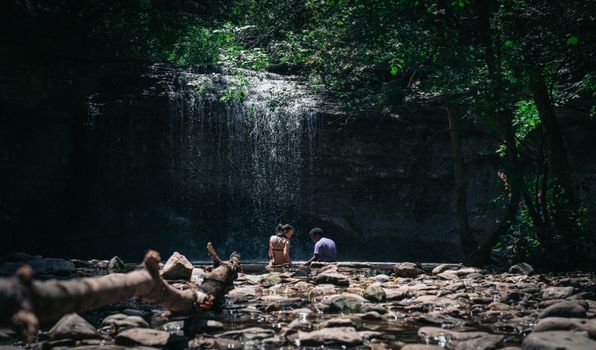
Besides wildlife, the mountains of Nepal are dotted with natural wonders such as glacial lakes, hot springs, and waterfalls. The turquoise waters of Gokyo Lakes in the Everest region, for example, are among the highest freshwater lakes in the world, sitting at around 4,700 meters.
Adventure Activities Beyond Trekking
While trekking is the most popular way to experience Nepal’s mountains, the region offers a variety of adventure activities for thrill-seekers of all levels:
- $1 For experienced climbers, Nepal presents a range of peaks, from the technically demanding Everest to “trekking peaks” like Island Peak (6,189 meters) and Mera Peak (6,476 meters) that are suitable for those with some mountaineering experience. - $1 Pokhara, set against the Annapurna range, is one of the best paragliding spots in the world. The experience of soaring above the lakes and mountains is unforgettable. - $1 Trails around Kathmandu Valley, Mustang, and the Annapurna foothills offer exhilarating rides through diverse terrain and traditional villages. - $1 Nepal’s snow-fed rivers, such as the Trishuli and Bhote Koshi, provide world-class opportunities for rafting and kayaking with stunning mountain backdrops. - $1 For those short on time or seeking a unique perspective, helicopter tours to Everest Base Camp or Annapurna are increasingly popular, offering breathtaking views with minimal physical exertion.Responsible and Sustainable Travel in Nepal’s Mountains
With tourism accounting for nearly 8% of Nepal’s GDP, responsible travel practices are crucial to preserving the region’s natural and cultural heritage. Here are some ways you can contribute to sustainable mountain tourism:
- $1 Many teahouses and lodges use solar power, serve locally-sourced food, and employ local staff. - $1 Avoid single-use plastics, carry a reusable water bottle, and use water purification methods instead of buying bottled water. In 2020, over 140 tons of waste were removed from Everest alone. - $1 Follow trail etiquette, ask for permission before photographing people, and avoid disturbing animals or plants. - $1 Smaller groups reduce environmental impact and create more meaningful interactions with local communities.Conclusion: Why Nepal’s Mountains Should Be on Your Bucket List
Exploring the majestic mountains of Nepal is more than a physical journey—it is an experience that touches the soul. From the snow-capped summits of the Himalayas to the vibrant cultures of mountain communities and the abundant wildlife that thrives at high altitudes, Nepal offers a richness found nowhere else on earth. Whether you seek adventure, tranquility, or a deeper connection with nature, the mountains of Nepal welcome you with open arms and breathtaking vistas. With careful planning and a spirit of respect, your journey through Nepal’s mountains will be unforgettable—and may inspire a lifelong love of the Himalayas.