Embarking on an African safari is an extraordinary journey into the heart of the natural world, where wildlife roams freely and the landscapes are breathtakingly vast and beautiful. This guide provides essential tips and insights to help you plan and enjoy a truly memorable African safari experience.
Why Choose an African Safari?
An African safari is a unique opportunity to disconnect from the hectic pace of modern life and immerse yourself in the rhythms of nature. Here, you can witness some of the planet's most iconic wildlife in their natural habitats, from the thundering herds of the Great Migration to the stealthy prowling of a leopard. It’s not just a vacation; it’s an experience that can change the way you see the world.
Choosing Your Safari Destination
Africa's diversity in landscapes and wildlife makes choosing your safari destination an exciting yet challenging decision. Consider these renowned parks and reserves:
- Serengeti National Park, Tanzania: Home to the legendary wildebeest migration, it offers unparalleled wildlife viewing year-round.
- Maasai Mara National Reserve, Kenya: Ideal for spotting the Big Five and experiencing cultural interactions with the Maasai people.
- Kruger National Park, South Africa: Offers a wide range of fauna along with luxury safari lodges and camps.
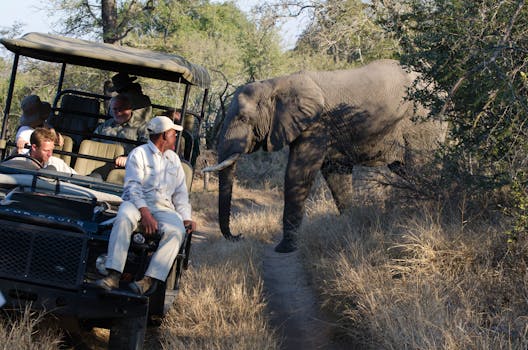
- Chobe National Park, Botswana: Known for its enormous elephant population, offering spectacular elephant viewing opportunities.
Best Time to Go on Safari
Timing your safari is crucial for maximizing wildlife sightings. The dry seasons, typically from June to October in most of East and Southern Africa, are generally the best times to visit as animals congregate around water sources and the vegetation is less dense, improving visibility.
Types of Safari Experiences
- Game Drives: Conducted in 4x4 vehicles, these are the backbone of most safari experiences, allowing for extensive exploration.
- Walking Safaris: Offer a more intimate bush experience. Led by experienced guides, you gain insights into the ecosystem's smaller details.
- Hot Air Balloon Safaris: Available in select locales like the Serengeti and Maasai Mara, they offer breathtaking aerial views of the sprawling landscapes and teeming wildlife.
- Cultural Tours: Engage with local communities and learn about the rich cultural heritage of the indigenous people.
What to Pack
Packing effectively can enhance your comfort and enjoyment on safari:
- Wear light, breathable clothing in neutral colors that blend with the bush.
- Bring a high-quality camera and binoculars for close-up views of wildlife.
- Sun protection is vital: sunscreen, a wide-brimmed hat, and sunglasses.
- Durable, comfortable footwear is essential, especially if you plan to do walking safaris.
- Carry a reusable water bottle to stay hydrated during long game drives.
Staying Safe on Safari
Safety is paramount on safari:
- Always adhere to your guide’s advice and instructions.
- Maintain a safe and respectful distance from wildlife.
- Feeding animals disrupts their natural behavior and diet.
- Remain vigilant and aware, particularly on walking safaris.
Sustainable Safari Practices
Promoting sustainability ensures that future generations can also enjoy the wonders of African wildlife:
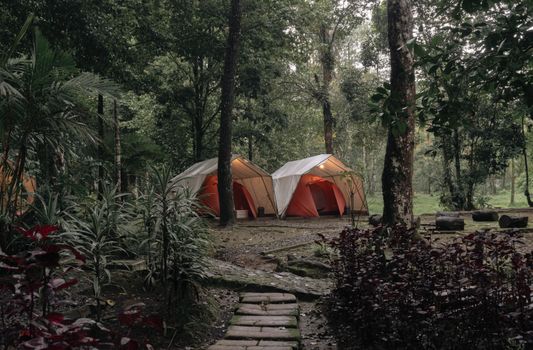
- Support eco-friendly lodges and camps that prioritize minimizing environmental impact.
- Respect wildlife habitats and adhere to park regulations.
- Consider donating to wildlife conservation programs to aid in the preservation of these magnificent species.
Conclusion
An African safari is an unparalleled adventure that offers a profound connection with nature and wildlife. By carefully selecting your destination, preparing for your journey, and respecting the natural environment, you are set for an unforgettable experience that will provide not only spectacular sights but also lifelong memories. Whether it’s witnessing the majestic lions of the Serengeti or soaring over the vast Mara, each moment on an African safari is a step closer to understanding the true essence of the wild.