Navigating the Glaciers of Iceland: A Comprehensive Travel Guide
Iceland’s glaciers are among the world’s most spectacular and accessible, offering travelers the chance to witness ancient ice, sweeping landscapes, and thrilling adventures all in one place. With glaciers covering about 11% of Iceland’s landmass, these frozen giants are more than just natural wonders—they are central to the country’s geography, culture, and tourism. Whether you’re a first-time visitor looking for easy glacier walks or an adventure enthusiast seeking ice climbing and snowmobiling, understanding how to navigate Iceland’s glaciers safely and meaningfully is essential. This comprehensive guide will help you explore these icy marvels, compare popular glacier destinations, and provide practical tips to make the most of your Icelandic adventure.
The Role of Glaciers in Iceland’s Landscape and Culture
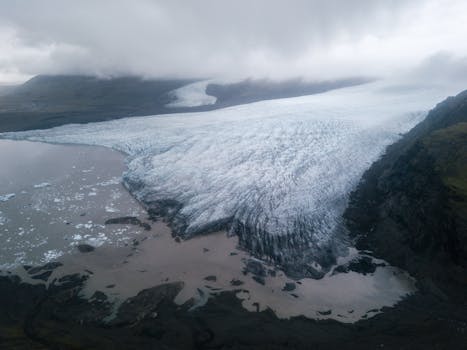
Iceland is home to more than 269 named glaciers, which are constantly reshaping the landscape through their slow but powerful movement. The largest glacier, Vatnajökull, covers about 8% of the country and is Europe’s largest ice cap by volume. Glaciers in Iceland are not only geological features; they are woven into folklore, history, and the national identity.
For centuries, glaciers have influenced settlement patterns, agriculture, and even road construction. Many Icelandic sagas reference glaciers as both obstacles and protectors. Today, glaciers support a thriving tourism industry, attracting nearly 2 million international visitors annually, according to Icelandic Tourist Board statistics from 2023. The melting and retreat of glaciers—an urgent concern due to climate change—has also led to increased scientific research and awareness campaigns.
Top Glacier Destinations: Locations and Experiences
While Iceland’s glaciers are widespread, a few stand out for their accessibility, scenic beauty, and variety of activities. Here’s a closer look at the top glacier destinations and what each offers:
Vatnajökull Glacier: As Europe’s largest glacier, Vatnajökull features numerous outlet glaciers, such as Skaftafellsjökull and Svínafellsjökull. The area is part of Vatnajökull National Park, a UNESCO World Heritage Site, and offers guided glacier hikes, ice cave tours (most popular from November to March), and spectacular views of subglacial volcanoes.
Langjökull Glacier: Located in the west, Langjökull is Iceland’s second-largest glacier. It’s famous for snowmobile tours, the world’s largest man-made ice cave, and easy accessibility from Reykjavik—just a two-hour drive.
Sólheimajökull Glacier: This outlet of the larger Mýrdalsjökull glacier is renowned for its vivid blue ice, black volcanic ash layers, and crevasses. Sólheimajökull is an ideal choice for beginners, offering year-round glacier walks and ice climbing.
Snæfellsjökull Glacier: Situated on the Snæfellsnes Peninsula, this glacier-capped volcano inspired Jules Verne’s “Journey to the Center of the Earth.” It’s a magnet for hikers, photographers, and those interested in mystical legends.
| Glacier | Size (sq km) | Main Activities | Best Season | Accessibility |
|---|---|---|---|---|
| Vatnajökull | 7,900 | Hiking, Ice Caves, Sightseeing | Nov-Mar (Ice Caves), Year-round (Hiking) | Easy (via Ring Road) |
| Langjökull | 953 | Snowmobiling, Ice Cave Tours | Year-round | Easy (2 hrs from Reykjavik) |
| Sólheimajökull | 8 | Glacier Walks, Ice Climbing | Year-round | Very Easy (South Coast) |
| Snæfellsjökull | 11 | Hiking, Photography | June-August | Moderate (Peninsula roads) |
Adventure Activities: From Glacier Hikes to Ice Caves
Glacier adventures in Iceland vary from gentle walks to adrenaline-pumping sports, catering to all levels of fitness and experience. Here are some of the most popular activities:
Glacier Hiking: Guided hikes are the safest and most common way to experience Iceland’s glaciers. Tours typically provide crampons and safety equipment, and routes range from easy 2-hour walks on Sólheimajökull to challenging treks on Vatnajökull. In 2022, over 120,000 travelers participated in guided glacier hikes according to local tour operators.
Ice Caving: Each winter, naturally formed ice caves open up beneath glaciers like Vatnajökull and Mýrdalsjökull. These caves, with their dazzling blue ice and unique formations, are accessible from November to March and require a certified guide. The most photographed ice cave, known as “Crystal Cave,” attracts over 30,000 visitors annually.
Ice Climbing: For those seeking more adventure, ice climbing tours are available on Sólheimajökull and other accessible outlets. These trips teach the basics of ice axe and crampon use, making it a thrilling option for active travelers.
Snowmobiling: Langjökull is the go-to glacier for snowmobile safaris, with tours departing from nearby basecamps. Snowmobiling offers a fast-paced way to explore vast icy expanses, with trips ranging from one hour to full-day adventures.
Glacier Lagoon Boat Tours: Near Vatnajökull, Jökulsárlón Glacier Lagoon is famous for its floating icebergs and seals. Amphibian and Zodiac boat tours provide a unique perspective, with over 100,000 annual visitors as of 2023.
Safety and Environmental Stewardship on the Glaciers
Iceland’s glaciers are both beautiful and potentially hazardous. Rapidly changing weather, hidden crevasses, and shifting ice make solo exploration dangerous. In recent years, Icelandic search and rescue teams have performed over 50 glacier-related rescues annually, often due to unprepared or poorly equipped visitors.
Essential Safety Tips: - Always book guided tours with licensed operators. - Dress in layers, including waterproof outerwear and insulated gloves. - Use crampons, helmets, and harnesses as provided. - Never venture onto a glacier alone or without proper equipment. - Respect warning signs and stay on marked paths.Environmental Impact: Glaciers are sensitive to climate change, with Iceland losing about 11 billion tons of ice per year since 1995. Visitors can help protect these fragile environments by following Leave No Trace principles—avoiding littering, not disturbing wildlife, and supporting eco-friendly tour companies. Several operators have adopted carbon offsetting and sustainable practices to reduce their impact.
Planning Your Glacier Adventure: Logistics and Practical Tips
Getting There: Most popular glaciers are accessible via Iceland’s well-maintained Ring Road (Route 1). For example, Sólheimajökull is just a 2.5-hour drive from Reykjavik, while Vatnajökull’s Skaftafell visitor center is about 4 hours away. Rental cars are the most flexible option, though many day tours include transportation.
When to Visit: Glacier activities are available year-round, but the best time for ice caves is winter (November-March), while hiking and snowmobiling are possible in all seasons. Summer offers longer daylight hours and milder weather, but winter brings the chance to see the Northern Lights above the glaciers.
What to Pack: - Waterproof hiking boots and outerwear - Warm layers (thermal underwear, fleece, down jacket) - Hat, gloves, sunglasses, and sunscreen (glare from ice can be intense) - Reusable water bottle and snacks - Camera with extra batteries (cold drains power quickly)Booking Tours: Reserve glacier activities in advance, especially during peak months (June-August and December-February). Group sizes are usually limited for safety, and some tours sell out weeks ahead.
Conclusion: Making the Most of Your Icelandic Glacier Journey
Exploring Iceland’s glaciers is a once-in-a-lifetime experience, offering a rare glimpse into the power and beauty of nature. Whether you choose a leisurely glacier walk, a thrilling snowmobile ride, or a magical ice cave adventure, the memories you make will be as enduring as the ice itself. By traveling responsibly and choosing guided experiences, you’ll not only stay safe but also help preserve these natural wonders for generations to come. With careful planning and a spirit of adventure, navigating the glaciers of Iceland can be the highlight of your Nordic journey.