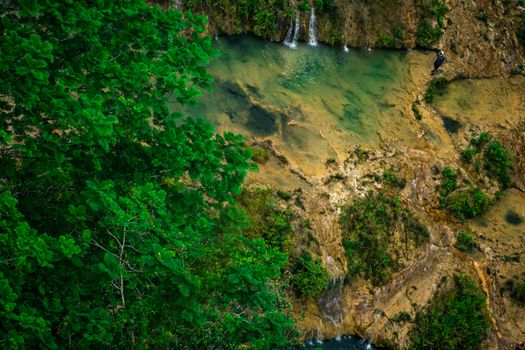
Discovering Asia: A Travel Guide to Stunning Landscapes and Rich Culture
Asia, the world’s largest and most populous continent, is a tapestry of contrasts. From the snow-capped peaks of the Himalayas to the turquoise waters of Indonesia’s archipelagos, Asia is a land where ancient traditions harmonize with cutting-edge innovation. Its landscapes are as diverse as its cultures, offering travelers an unparalleled array of experiences. Whether you’re a nature enthusiast, a history buff, a foodie, or a seeker of spiritual enlightenment, Asia promises something extraordinary. In this comprehensive guide, we delve into the continent’s most captivating landscapes and vibrant cultural treasures, providing inspiration and practical tips for your next unforgettable journey.
Asia’s Iconic Landscapes: Natural Wonders Across the Continent
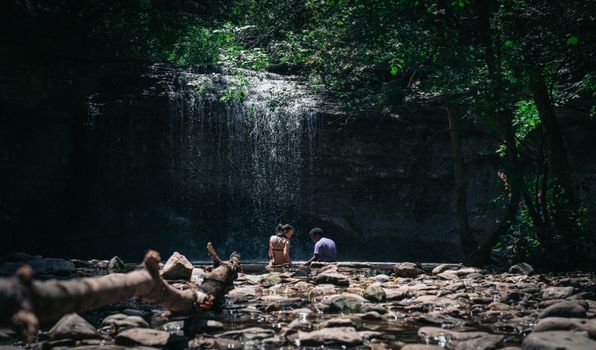
Asia’s geographical diversity is nothing short of breathtaking. The continent spans more than 44 million square kilometers, encompassing every type of terrain imaginable. Here are just a few highlights for nature lovers:
- The Himalayas: Stretching across five countries — India, Nepal, Bhutan, China, and Pakistan — the Himalayas are home to 10 of the world’s 14 peaks above 8,000 meters, including Mount Everest. Nepal alone attracts over 200,000 trekkers annually to popular trails like the Annapurna Circuit and Everest Base Camp. - Halong Bay, Vietnam: With over 1,600 limestone islands rising from emerald waters, Halong Bay is a UNESCO World Heritage Site and a top destination for kayaking, cruising, and photography. In 2019, the bay welcomed more than 4 million visitors. - The Gobi Desert, Mongolia: Spanning 1,295,000 square kilometers, the Gobi is one of the world’s largest deserts. Its dunes, canyons, and fossil beds attract adventurers seeking camel treks and stargazing far from city lights. - The Japanese Alps: Offering world-class skiing in winter and lush hiking trails in summer, the Japanese Alps are a haven for outdoor enthusiasts. The region’s hot springs (onsen) add a relaxing cultural touch. - Borneo’s Rainforests: The island of Borneo, shared by Malaysia, Indonesia, and Brunei, boasts some of the oldest rainforests on Earth. It’s a biodiversity hotspot, home to over 15,000 plant species and the critically endangered orangutan.These landscapes are not just visually stunning; they also shape the cultures, livelihoods, and histories of the people who call them home.
Living Heritage: Ancient Traditions and Modern Vibrance
Asia’s cultural landscape is as rich and varied as its geography. The continent is the cradle of major religions such as Buddhism, Hinduism, Islam, and Confucianism, and it’s home to thousands of ethnic groups, each with unique customs.
- Festivals: Asia’s calendar is filled with vibrant festivals. India’s Holi, the festival of colors, sees millions gather to celebrate the triumph of good over evil. Thailand’s Songkran (Water Festival) marks the Thai New Year with exuberant public water fights. - Traditional Arts: Japan’s delicate art of Ikebana (flower arranging) and China’s centuries-old calligraphy are just two examples of enduring artistic traditions. In Indonesia, Bali’s shadow puppet theater (Wayang Kulit) brings Hindu epics to life. - Dress: From the elegant kimono of Japan to the brightly colored sarees of India and the intricate batik of Indonesia, traditional clothing is a visual feast that tells stories of heritage and identity. - Architecture: Asia’s built heritage is equally impressive. The Taj Mahal, Angkor Wat, and the Forbidden City are iconic, but lesser-known gems like Bhutan’s cliff-hugging monasteries and Uzbekistan’s blue-tiled madrasahs are equally captivating.According to UNESCO, Asia is home to over 250 World Heritage Sites, reflecting the region’s immense historical and cultural wealth.
Epic Journeys: Unforgettable Rail, River, and Road Adventures
Traveling through Asia is an adventure in itself, with countless ways to traverse its vast landscapes and immerse yourself in local life.
- Trans-Siberian Railway: Stretching 9,289 kilometers from Moscow to Vladivostok, this legendary rail journey passes through Russia, Mongolia, and China, offering a window into changing scenery and cultures. - Mekong River Cruises: The Mekong, Southeast Asia’s longest river, flows through six countries. Cruising from Vietnam to Cambodia, travelers can witness floating markets, ancient temples, and rural life along the riverbanks. - Silk Road Expeditions: Once the lifeline of ancient trade, the Silk Road crosses Central Asia, connecting China to the Mediterranean. Today, travelers can explore historic caravanserais, bustling bazaars, and cities like Samarkand and Bukhara. - Himalayan Road Trips: Driving the world’s highest motorable roads in Ladakh, India, or Nepal’s winding mountain highways, delivers jaw-dropping vistas and encounters with remote communities.For those eager to compare the scope and scale of Asia’s famed journeys, here’s a handy overview:
| Journey | Distance | Countries Covered | Top Highlights |
|---|---|---|---|
| Trans-Siberian Railway | 9,289 km | Russia, Mongolia, China | Lake Baikal, Ulaanbaatar, Siberian forests |
| Mekong River Cruise | 4,350 km (river length) | China, Myanmar, Laos, Thailand, Cambodia, Vietnam | Floating markets, Angkor temples, rural villages |
| Silk Road | Varies (up to 7,000 km) | China, Central Asia, Middle East | Samarkand, Bukhara, Dunhuang Caves |
| Himalayan Road Trip | Varies (e.g., Leh-Manali: 479 km) | India, Nepal, Bhutan | Mountain passes, monasteries, Himalayan vistas |
Flavors of Asia: Culinary Journeys Beyond Compare
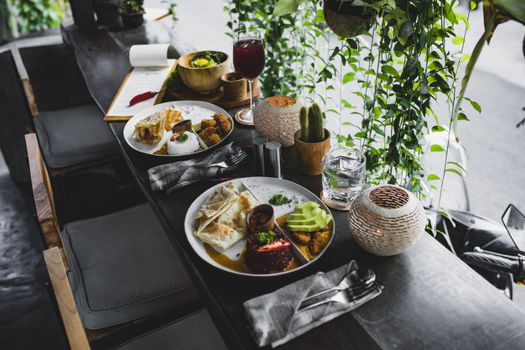
Asia’s food scene is legendary, reflecting centuries of trade, migration, and creativity. Each region boasts distinct ingredients, techniques, and flavor profiles:
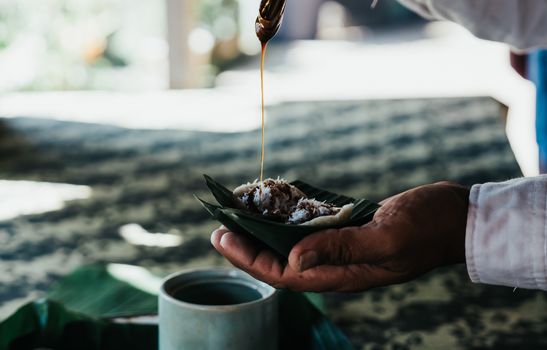
- Southeast Asia: Thai street food, Vietnamese pho, and Indonesian nasi goreng are world-renowned. Thailand’s street food industry alone is estimated to be worth over $2.7 billion annually. - East Asia: From Japan’s sushi and ramen to Korea’s spicy kimchi and China’s vast array of regional cuisines, East Asia is a culinary powerhouse. China’s Sichuan province, for example, is famous for its numbing peppercorns and fiery hotpots. - South Asia: Indian cuisine dazzles with its use of spices. There are over 40 distinct regional cooking styles in India, from Punjabi tandoori to Kerala coconut curries. - Central Asia: Hearty dishes like Uzbek plov (rice pilaf), Kazakh beshbarmak (boiled meat and noodles), and Mongolian buuz (steamed dumplings) reflect the region’s nomadic roots. - Middle East (Western Asia): Persian kebabs, Turkish baklava, and Lebanese mezze have made their mark worldwide.Culinary tourism is booming in Asia, with food-themed tours, cooking classes, and night markets drawing millions each year. For example, the Taipei Night Market in Taiwan attracts over 30,000 visitors nightly during peak seasons.
Spiritual Retreats and Mindful Journeys
Asia has long been a destination for spiritual seekers. From ancient pilgrimage routes to modern wellness retreats, the continent offers experiences that nourish both body and soul.
- Buddhist Temples: Thailand alone has over 40,000 Buddhist temples. The serene temples of Luang Prabang, Laos, and the majestic Boudhanath Stupa in Nepal are also popular sites for meditation and reflection. - Yoga and Ayurveda: India is the birthplace of yoga and Ayurveda. The city of Rishikesh hosts the International Yoga Festival every March, attracting participants from over 50 countries. - Shinto Shrines: In Japan, there are approximately 80,000 Shinto shrines, where visitors can participate in purification rituals and seasonal festivals. - Wellness Retreats: Bali is renowned for its holistic wellness resorts, offering yoga, meditation, spa treatments, and detox programs in lush tropical settings.These experiences not only offer personal insight and rejuvenation but also foster a deeper connection with Asia’s spiritual heritage.
Practical Tips for Exploring Asia’s Diversity
Traveling in Asia requires thoughtful planning to make the most of your journey and to respect local customs.
- Visas and Entry Requirements: Many Asian countries now offer e-visas or visa-on-arrival options. For example, Vietnam, Sri Lanka, and Cambodia have simplified processes for tourists, but requirements can change, so always check official sources. - Language: While English is widely spoken in tourist areas, learning a few local phrases can enhance your experience and show respect for local cultures. For example, “Terima kasih” means “thank you” in Indonesian, while “Khop khun ka” is the Thai equivalent. - Transportation: Asia’s transportation networks vary widely. Japan’s Shinkansen (bullet train) can reach speeds up to 320 km/h, while in rural Laos or Mongolia, expect slower but scenic journeys by bus or jeep. - Health and Safety: Vaccinations for diseases like hepatitis A, typhoid, and Japanese encephalitis may be recommended. Always carry travel insurance and be aware of local safety advisories. - Responsible Travel: Respect cultural norms regarding dress and behavior, especially at religious sites. Support local communities by choosing family-run guesthouses, local guides, and ethical tour operators.Conclusion
Asia is a continent that defies easy categorization. Its landscapes range from volcanic islands and dense jungles to arid deserts and snow-capped summits, while its cultures are an ever-evolving mosaic of tradition and innovation. Whether you’re drawn by the lure of adventure, the promise of culinary delights, or a quest for spiritual insight, Asia offers a journey like no other. By embracing the continent’s diversity, respecting its heritage, and traveling mindfully, you’ll discover not just stunning scenery and rich culture, but also fresh perspectives and lasting memories.