The Foodie's Travel Guide: Exploring Street Food Around the World
Few experiences capture the pulse of a city quite like its street food scene. For the adventurous traveler, street food is both a gateway to authentic flavors and a lens into local culture. From bustling Asian night markets to vibrant Latin American plazas and aromatic Middle Eastern souks, the world’s streets offer a tantalizing array of snacks, meals, and culinary traditions. This guide will take you on a global journey across continents, highlighting the must-try street foods, the stories behind the vendors, practical tips for safe and satisfying street food adventures, and a comparative look at the world’s most iconic street food destinations.
The Global Street Food Phenomenon: A Culinary Crossroads
Street food is far more than just a quick meal; it’s a centuries-old tradition that brings together local ingredients, cultural heritage, and the everyday lives of people. According to the Food and Agriculture Organization (FAO), an estimated 2.5 billion people consume street food daily worldwide. In cities like Bangkok, Mumbai, Istanbul, and Mexico City, street food is woven into the social and economic fabric, providing both affordable nourishment and entrepreneurial opportunity.
The diversity of street food is staggering. In 2019, the global street food market was valued at $1.9 billion and continues to grow, fueled by urbanization, tourism, and changing consumer preferences. Every region boasts its own specialties: from Vietnamese bánh mì and Turkish simit to Mexican elote and Nigerian suya, the options are as varied as the locales themselves.
Asia’s Street Food Capitals: From Night Markets to Hawker Centers
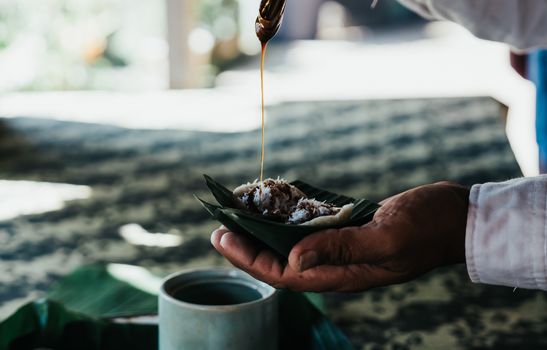
Asia is often heralded as the epicenter of street food culture, with countries like Thailand, Vietnam, and Singapore leading the charge. In Bangkok, the famed Yaowarat Road comes alive at night with stalls selling pad Thai, mango sticky rice, and grilled seafood. According to the Tourism Authority of Thailand, more than 20,000 street food vendors operate in Bangkok alone, serving millions each year.
Singapore’s hawker centers are so culturally significant that in 2020, UNESCO added hawker culture to its Intangible Cultural Heritage list. Here, you’ll find dishes like Hainanese chicken rice, laksa, and satay, all prepared to exacting standards. A typical hawker meal can cost as little as $3 USD, making it both accessible and delicious.
Vietnam’s street food scene is equally vibrant. Cities like Hanoi and Ho Chi Minh City are renowned for their pho noodle soup, bánh mì sandwiches, and fresh spring rolls. The French colonial influence is evident in the use of baguettes and pâté, but the flavors remain uniquely Vietnamese, with fresh herbs and bold spices at the forefront.
Latin America’s Colorful Corners: Savoring Tradition and Innovation
Latin America offers a feast for the senses, where indigenous ingredients and colonial influences blend into unforgettable street eats. Mexico City is a top destination, with over 500,000 street vendors serving everything from tacos al pastor to tamales and esquites (corn salad). In fact, a 2022 survey found that 58% of Mexico City residents buy street food at least once a week.
Peru’s street food scene is gaining global recognition, thanks to its fusion of Incan, Spanish, Chinese, and Japanese flavors. Anticuchos (grilled beef heart skewers) and picarones (sweet potato doughnuts) are local favorites, often enjoyed with a glass of chicha morada, a purple corn drink.
Further south, Argentine empanadas and Brazilian pastel (deep-fried pastries) are street staples. In Buenos Aires, you’ll also find choripán—grilled chorizo sausage on crusty bread—served at football matches and city fairs alike.
Europe’s Hidden Gems: From Markets to Food Trucks
While Europe is known for its fine dining and café culture, its street food scene has undergone a renaissance in recent years. London’s Borough Market and Berlin’s Markthalle Neun are hotspots where traditional fare meets global innovation. Street food festivals across Europe now attract millions of visitors annually, with Berlin’s Street Food Thursday drawing over 3,000 people each week.
In Istanbul, street food is a way of life. Simit (sesame-crusted bread rings), balık ekmek (fish sandwiches), and kumpir (loaded baked potatoes) are must-tries. The city’s iconic vendors are often family-run, with recipes handed down through generations.
Eastern Europe offers hearty and flavorful options like Polish zapiekanka (open-faced baguette with cheese and mushrooms) and Hungarian lángos (fried dough topped with sour cream and cheese). These affordable snacks are perfect for travelers on the go, with prices typically under $2 USD.
Street Food Safety: Tips for Enjoying Every Bite
While street food is a highlight for many travelers, it’s important to eat safely to avoid foodborne illness. The World Health Organization estimates that 600 million people fall ill after eating contaminated food each year. However, with a few simple precautions, you can minimize risks and enjoy local flavors with confidence:
- Observe hygiene: Opt for vendors who prepare food in front of you and use gloves or utensils. - Look for crowds: Popular stalls with a steady stream of customers tend to have fresher food. - Be cautious with water: Avoid raw foods washed in tap water and opt for bottled drinks. - Check local recommendations: Consult food blogs, travel forums, or locals for trusted spots.Many cities now offer guided street food tours that ensure both a safe and authentic tasting experience. These tours often focus on hygiene-rated vendors and provide insight into the dishes’ cultural backgrounds.
Comparing Street Food Hotspots: A Global Overview
To help you plan your culinary journey, here’s a comparative look at some of the world’s top street food destinations, including signature dishes, average cost, and best time to visit.
| City | Signature Street Food | Average Cost (USD) | Best Time to Visit | Unique Feature |
|---|---|---|---|---|
| Bangkok | Pad Thai, Mango Sticky Rice | $1.50 - $3 | November - February | 24/7 street food culture |
| Mexico City | Tacos al Pastor, Elote | $1 - $2.50 | March - May | Over 500,000 vendors citywide |
| Singapore | Hainanese Chicken Rice, Laksa | $3 - $5 | February - April | UNESCO-listed hawker centers |
| Istanbul | Simit, Balık Ekmek | $1 - $2 | April - June | Bosphorus-side street stalls |
| Lagos | Suya, Puff-Puff | $0.50 - $1.50 | November - March | Spicy grilled meats and vibrant night markets |
| Ho Chi Minh City | Bánh Mì, Pho | $1 - $2.50 | December - March | French-influenced Vietnamese flavors |
How Street Food Shapes Culture and Community
Beyond tantalizing taste buds, street food plays a pivotal social role in communities around the globe. It offers not just nourishment but also economic empowerment, especially for women and migrants. In India, for example, over 2 million street food vendors are registered, with women comprising about 30% of the workforce.
Street food also fosters urban vibrancy and inclusivity. It’s a great social equalizer—businesspeople, students, and tourists alike often rub elbows at the same food cart. In places like New Orleans, food trucks and stalls are engines of culinary innovation, introducing fusion dishes and new flavors to the mainstream.
Moreover, street food preserves culinary traditions that might otherwise disappear in an age of globalization. Many recipes have been passed down for generations, and eating at a local stall is often the best way to experience truly authentic flavors.
Planning Your Street Food Adventure: Practical Tips
To make the most of your street food journey, consider these practical pointers:
- Research in advance: Use social media hashtags, food apps, and local guides to find must-try spots. - Go early or late: Avoid peak hours to get the freshest food and shorter lines. - Bring cash: Many vendors do not accept cards. - Try “the local favorite”: Ask locals what they recommend—often, the best dishes aren’t on tourist lists. - Take small bites: Sample widely, as street food portions are often snack-sized.If you’re concerned about dietary restrictions, many cities now have vegetarian, vegan, and gluten-free street food options, though it’s always wise to clarify ingredients with vendors.
Conclusion
Exploring street food isn’t just about satisfying hunger—it’s about immersing yourself in the everyday rhythms, flavors, and stories of a place. Whether you’re savoring a steaming bowl of pho in Hanoi, biting into a taco in Mexico City, or sampling fresh pastries in Istanbul, street food offers an authentic taste of local life. With billions of people around the globe partaking in this culinary tradition, there’s never been a better time to hit the streets, fork (or chopsticks) in hand, and discover the world one bite at a time.