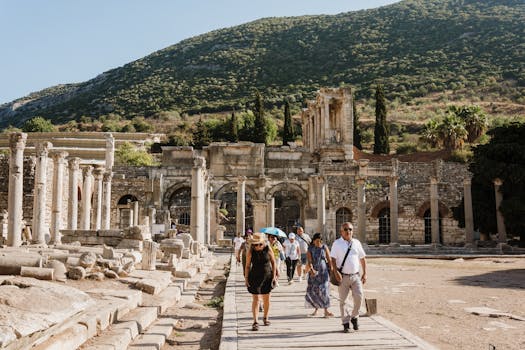
Travel Guide to the Historic Sites of Greece
Greece is more than just turquoise waters and sun-drenched islands—it's a living museum where ancient history meets vibrant modern culture. As the cradle of Western civilization, Greece boasts an astonishing array of historic sites, from legendary temples and amphitheaters to fortified cities and Byzantine monasteries. Whether you’re a history buff, a casual traveler, or a family on a cultural adventure, Greece’s historic landmarks promise awe-inspiring encounters with the past. This travel guide delves into the must-visit historic sites across the mainland and islands, offering practical tips, fascinating facts, and a roadmap to experiencing Greece’s rich heritage firsthand.
The Cradle of Civilization: Athens and Its Ancient Wonders
No exploration of Greek history is complete without a journey through Athens, the country's bustling capital and the heart of the ancient world. The Acropolis, towering over the city, is the most iconic symbol of classical Greece.
The Parthenon, built between 447 and 432 BCE, stands as a testament to the architectural genius of ancient Athenians. Once a temple dedicated to the goddess Athena, it is now visited by over 2.5 million people annually. Don’t miss the Acropolis Museum, which houses over 4,000 artifacts, many of which were recovered from the surrounding slopes.
Nearby, the Ancient Agora was the focal point of public life in Athens. This sprawling complex includes the well-preserved Temple of Hephaestus and the Stoa of Attalos, now serving as a museum. The theater of Dionysus, considered the birthplace of European theater, once held up to 17,000 spectators.
Athens is not just about ruins—it's a city where the ancient and modern blend seamlessly. Take a stroll through Plaka, the old town, where neoclassical mansions sit beside Roman-era monuments.
Peloponnese: The Land of Legends and Myths
The Peloponnese peninsula is a treasure trove of archaeological wonders linked to myth and legend. Here, you can walk in the footsteps of heroes and gods while exploring some of Greece’s most storied landmarks.
Mycenae, dating back to 1600 BCE, was the seat of King Agamemnon, the leader of the Greeks in the Trojan War. The Lion Gate, the monumental entrance to the citadel, is one of the oldest surviving examples of monumental sculpture in Europe. The Treasury of Atreus, a beehive-shaped tomb, showcases the architectural prowess of the Mycenaeans.
Epidaurus, renowned for its ancient theater, is another must-see. Built in the 4th century BCE, the theater is famed for its flawless acoustics—actors on stage can be heard clearly even in the back row, 55 rows up. Today, it still hosts performances during the annual Epidaurus Festival.
Nearby, the fortified city of Mystras offers a journey through Byzantine history. Once the capital of the Despotate of the Morea, Mystras is a UNESCO World Heritage Site, known for its medieval churches, palaces, and panoramic views of the Spartan plain.
Delphi and the Oracle: The Navel of the Ancient World
Set against the dramatic backdrop of Mount Parnassus, Delphi was regarded as the center of the world in ancient Greek mythology. Pilgrims from across the Mediterranean flocked here to consult the famous oracle of Apollo.
The Sanctuary of Apollo, with its imposing temple ruins, was the heart of Delphi. The site also includes a well-preserved theater and a stadium that hosted the Pythian Games, second only to the Olympics in importance. The Tholos of Delphi, a circular temple, is one of Greece’s most photographed ancient structures.
The Delphi Archaeological Museum houses treasures uncovered from the site, including the Charioteer of Delphi, a bronze masterpiece dating to 470 BCE. Delphi’s spiritual legacy and stunning mountain vistas make it a highlight of any Greek itinerary.
Crete: Minoan Palaces and Bronze Age Mysteries
Crete, Greece’s largest island, is home to the remains of Europe’s oldest advanced civilization—the Minoans. The Palace of Knossos, just outside Heraklion, was the legendary labyrinth of King Minos and the setting for the myth of the Minotaur.
Excavated by Sir Arthur Evans in the early 20th century, Knossos dates back to around 1900 BCE and once covered over 20,000 square meters. Highlights include the throne room, colorful frescoes, and intricate plumbing systems that predate those of ancient Rome.
Other Minoan sites on Crete include the palaces of Phaistos and Malia, each offering unique insights into Bronze Age culture. The Heraklion Archaeological Museum houses the world’s most significant collection of Minoan artifacts, from ceremonial axes to the enigmatic Phaistos Disc.
Crete’s historic appeal extends to Venetian fortresses, Ottoman mosques, and Byzantine monasteries, reflecting centuries of cultural exchange.
Macedonia and Northern Greece: Royal Tombs and Ancient Cities
Northern Greece, known as Macedonia, is where the ancient and the legendary converge. Vergina (ancient Aigai) is the royal burial ground of Macedonian kings, including Philip II, father of Alexander the Great. The discovery of Philip’s tomb in 1977 was one of the 20th century’s greatest archaeological finds, yielding golden wreaths, weapons, and exquisite funerary art.
Thessaloniki, Greece’s second city, boasts Roman, Byzantine, and Ottoman monuments. The Rotunda, built by Roman Emperor Galerius in 306 CE, and the 4th-century Arch of Galerius are must-sees. The city’s early Christian and Byzantine churches, such as Hagios Demetrios, are UNESCO World Heritage Sites.
Nearby, the ancient city of Pella was the birthplace of Alexander the Great. The archaeological site features mosaic floors, agora ruins, and a museum with artifacts from the 4th century BCE.
Comparison Table: Greece’s Top Historic Sites at a Glance
To help you plan your journey, here’s a comparison of some of Greece’s most famous historic sites:
| Site | Location | Era | Annual Visitors (approx.) | Unique Feature |
|---|---|---|---|---|
| Acropolis | Athens | 5th Century BCE | 2.5 million | Parthenon, panoramic city views |
| Knossos Palace | Crete | 1900-1400 BCE | 600,000 | Minoan civilization, labyrinth mythology |
| Delphi | Phocis | 8th Century BCE | 500,000 | Oracle of Apollo, mountain setting |
| Epidaurus Theater | Peloponnese | 4th Century BCE | 250,000 | Best-preserved ancient theater, acoustics |
| Vergina Tombs | Macedonia | 4th Century BCE | 150,000 | Royal tomb of Philip II, gold artifacts |
Tips for Exploring Greece’s Historic Sites
1. $1: Spring (April-June) and autumn (September-October) are ideal for sightseeing, offering pleasant weather and fewer crowds. Summer can be very hot, especially in Athens and the southern regions, with temperatures often exceeding 35°C (95°F). 2. $1: Many sites offer audio guides or expert-led tours, which can enrich your understanding. For example, the Acropolis and Delphi have certified guides who provide in-depth historical context. 3. $1: While many ancient sites have uneven terrain and steps, some, like the Acropolis, have installed lifts and accessible paths for visitors with mobility needs. 4. $1: Consider purchasing combo tickets, such as the Athens Multi-Site Ticket, which grants access to the Acropolis and several other ancient sites for €30 (valid for five days). 5. $1: Flash photography is usually prohibited inside museums, but outdoor photography is encouraged. Sunrise and sunset offer the best lighting for dramatic shots of ruins. 6. $1: Pair your visit with local food—enjoy Cretan cuisine in Heraklion or sample Macedonian specialties in Thessaloniki. Many archaeological sites are near charming villages or seaside towns.Conclusion: Stepping Through Time in Greece
Greece’s historic sites are more than relics—they are vibrant touchstones connecting the present with millennia of human achievement, myth, and artistry. From the marble columns of Athens to the frescoes of Knossos and the royal tombs of Vergina, each landmark tells a unique story. Whether you’re marveling at the acoustics of Epidaurus or contemplating Delphi’s ancient prophecies, your journey through Greece will be as enlightening as it is unforgettable. Plan your trip with care, and let the wonders of ancient Greece inspire your next adventure.