Getting Around Navigating Australia's vast landscapes requires some planning, especially when it comes to transportation. Renting a car is often the most flexible way to explore, particularly in remote areas like the Outback. For longer distances, consider domestic flights which can save time and are widely available between major cities. Public transport systems in urban areas are generally efficient, with options like trains, buses, and ferries in cities like Sydney and Melbourne.
Local Customs and Etiquette Australians are known for their friendly and laid-back nature, but it’s important to respect local customs. A simple "thank you" and "please" go a long way, and tipping is appreciated but not mandatory. When visiting Aboriginal sacred sites, always follow guidelines and show the utmost respect for cultural practices and traditions.
Health and Safety Australia’s healthcare system is excellent, but it’s wise to have travel insurance to cover any unexpected medical expenses. Be aware of the sun’s strength; wear sunscreen, a hat, and protective clothing, especially during the summer months. Also, be cautious of Australia’s wildlife; while beautiful, it can also be dangerous. Sharks, crocodiles, and venomous snakes require a healthy respect and awareness of your surroundings.
Events and Festivals Timing your visit with local events can enhance your travel experience. The Sydney Mardi Gras, a vibrant LGBTQ+ parade in February, or the Melbourne Cup, a famous horse racing event in November, are just a couple of examples. Festivals such as Vivid Sydney, which transforms the city into a canvas of light art, and the Adelaide Fringe, the second-largest annual arts festival in the world, offer unique experiences that showcase Australia’s cultural diversity.
Language While English is the official language, Australia’s multicultural community means that you’ll hear a variety of languages spoken. Additionally, Australian slang can sometimes seem like a language of its own. Phrases like "no worries" for "you're welcome" and "arvo" for "afternoon" are common in casual conversation.
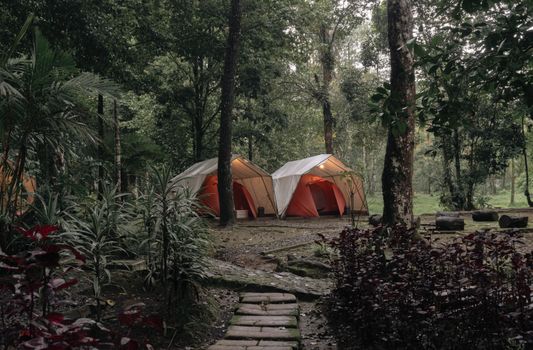
Money and Expenses Australia uses the Australian Dollar (AUD). Credit cards are widely accepted, and ATMs are readily available, but it's wise to carry some cash, especially in remote areas. While Australia can be expensive, budgeting for your trip by planning in advance can help manage costs effectively. Consider accommodations like hostels, serviced apartments, or campervan rentals to save money.
Connectivity Staying connected is easy in urban areas with readily available Wi-Fi in cafes, libraries, and accommodations. In remote areas, consider a local SIM card for better coverage. Australia also has an extensive network of tourist information centers, known as Visitor Information Centres (VICs), which can be invaluable for help and advice during your travels.
By keeping these tips in mind, you can ensure a smooth, enjoyable, and culturally respectful visit to Australia, making the most of everything this vast and diverse country has to offer. Whether it’s the rugged wilderness, urban elegance, or the warm welcome of its people, Australia offers a rich and varied experience that caters to all types of travelers.