Savor the Silence: A Guide to the World's Most Peaceful Places
In an era where noise pollution and constant connectivity dominate our daily lives, the allure of true silence grows ever stronger. Whether you’re seeking respite from the clamor of city streets or searching for a place to meditate, reflect, and rejuvenate, the world offers countless havens where silence is not just a luxury, but a way of life. This guide takes you beyond the ordinary, delving into the planet’s most tranquil corners—from remote islands to desert sanctuaries, serene forests, and silent towns—so you can discover how, where, and why to savor the silence.
Why Peaceful Places Matter in the Modern World
The World Health Organization reports that noise pollution is one of the top environmental health risks in urban areas, contributing to stress, sleep disturbances, and even cardiovascular diseases. According to a 2023 survey by the American Psychological Association, 62% of respondents cited “peace and quiet” as a primary factor in choosing their travel destinations. The demand for silent escapes has never been greater.
The benefits of silence go beyond relaxation. Studies show that spending just two hours in a quiet, natural environment can reduce blood pressure, lower cortisol levels, and enhance cognitive function. In Japan, the practice of “forest bathing” (shinrin-yoku) is a recognized therapeutic exercise, with over 60 official forest therapy bases established nationwide. Quietude is not just a luxury—it’s an essential part of holistic well-being.
Remote Islands: Nature’s Sanctuaries of Silence
When it comes to true tranquility, few places rival the world’s most secluded islands. These oases are often accessible only by boat or private plane, ensuring a level of isolation that’s hard to find elsewhere.
Take the Faroe Islands in the North Atlantic, where the population density is just 35 people per square kilometer. Here, rolling green hills and dramatic cliffs form a backdrop to near-constant silence, punctuated only by the cries of seabirds. On the opposite side of the globe, Japan’s Yakushima Island—home to centuries-old cedar forests—offers quietude so profound that UNESCO has recognized it as a World Heritage site.
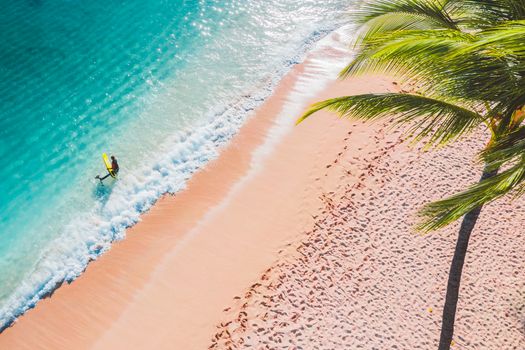
For those seeking tropical serenity, the Seychelles archipelago is an ideal escape. Its remote beaches, such as Anse Source d’Argent on La Digue Island, are renowned for their calm, crowd-free ambiance. In 2022, Seychelles welcomed just 354,000 tourists—a far cry from the millions who flock to mass-market destinations, ensuring you can often have entire stretches of sand to yourself.
Mountain Retreats: High-Altitude Havens for Stillness
Mountains have long been associated with peace—think of hermit monks, meditative yogis, and artists seeking inspiration. The world’s high-altitude retreats offer some of the most profound experiences of silence, thanks to their isolation and the muffling effect of snow and thin air.
One of the quietest inhabited places on earth is the village of Khinalug, perched at 2,350 meters in Azerbaijan’s Greater Caucasus Mountains. With a population of just 2,000 and no main roads, the only sounds are those of nature: wind, birds, and distant streams. In Nepal, the Annapurna Sanctuary is a sacred valley encircled by towering peaks, where trekkers report an almost spiritual level of silence—especially at sunrise when the only disturbance is the crunch of snow underfoot.
In the Swiss Alps, the town of Zermatt has been car-free since 1961, relying on electric taxis and horse-drawn carriages. With only 5,800 residents and strict noise ordinances, it’s renowned as one of the quietest ski resorts in Europe. The absence of engines and the soft blanket of snow create an auditory landscape that is as close to silence as you can find in a populated area.
Desert Calm: Silence Among the Sands
Deserts are often portrayed as harsh and unforgiving, but they are also landscapes of remarkable peace. The vast emptiness, wide horizons, and absence of human activity make deserts some of the quietest places on earth.
The Namib Desert in Namibia is one such destination. Stretching across 81,000 square kilometers, visitors report being able to hear their heartbeat in the stillness, interrupted only by the occasional call of a gecko or the whisper of wind-blown sand. The Atacama Desert in Chile, the driest non-polar desert in the world, is equally silent. With less than 15 mm of rain annually and vast salt flats, it is so quiet that NASA uses it to simulate conditions on Mars for rover testing.
Wadi Rum in Jordan, known as the Valley of the Moon, is famous for its surreal landscape of red sand and towering rock formations. Here, Bedouin guides lead travelers to isolated campsites where the silence is so deep that it feels physical—an experience that draws filmmakers and peace-seekers alike.
Silent Towns and Quiet Zones: Human-Made Havens of Tranquility
Not all peaceful places are far from civilization. Around the world, several towns and regions have enacted strict measures to preserve silence, creating unique opportunities to experience quietude amid human habitation.
Green Bank, West Virginia, USA, is home to the Green Bank Observatory and a 34,000-square-kilometer National Radio Quiet Zone. Here, wireless transmissions are banned to prevent interference with scientific research, making it one of the quietest communities in North America. Residents and visitors alike report a profound sense of calm, with no cell phones, Wi-Fi, or radio signals allowed.
In Italy, the village of Castelluccio di Norcia is nestled in the Apennine Mountains at 1,452 meters above sea level. With fewer than 150 residents and no through-traffic, the town is renowned for its peacefulness—especially during the annual flowering of the lentil fields, when the only sounds are the buzzing of bees and the distant call of sheep.
For a more modern approach, the city of Helsinki in Finland has invested heavily in “quiet architecture.” The Kamppi Chapel of Silence, located in the heart of downtown, welcomes over 500,000 visitors annually, offering a space to sit quietly and escape urban noise. This innovative approach to silence demonstrates that tranquility can be cultivated even in the busiest cities.
Comparing the World’s Most Peaceful Places
To help you choose the perfect silent escape, here is a comparative overview of some of the world’s most peaceful locations, their unique features, and accessibility:
| Location | Type | Population Density (per km²) | Accessibility | Unique Feature |
|---|---|---|---|---|
| Faroe Islands | Remote Island | 35 | Ferry/Plane | Dramatic cliffs, seabird colonies |
| Khinalug, Azerbaijan | Mountain Village | Less than 1 | Mountain road | Ancient Caucasus culture |
| Namib Desert, Namibia | Desert | 0.5 | 4x4 vehicle | World’s oldest desert |
| Green Bank, USA | Quiet Zone Town | 4 | Car/bus | No wireless signals allowed |
| Zermatt, Switzerland | Mountain Resort | 45 | Train/electric taxi | Car-free since 1961 |
| Kamppi Chapel, Helsinki | Urban Quiet Space | N/A | City center | Purpose-built silence chapel |
How to Experience and Preserve Silence While Traveling
Seeking out the world’s most peaceful places is only part of the journey; fully savoring silence requires intention and mindfulness. Here are a few tips for making the most of silent escapes:
- Disconnect: Leave behind electronic devices or at least silence notifications. Many silent destinations have limited or no connectivity—embrace it as an opportunity. - Travel Off-Season: Visiting outside of peak tourist periods ensures fewer crowds and more authentic tranquility. - Respect Local Customs: In many cultures, silence is sacred. Follow local guidelines, especially in religious or natural sites. - Practice Mindful Listening: Rather than filling the silence with music or podcasts, take time to listen to subtle sounds—wind, water, wildlife. - Leave No Trace: Help preserve these quiet places by minimizing your impact: pack out litter, stick to marked paths, and avoid loud behavior.By approaching silence with respect, you both enrich your own experience and help ensure these havens remain undisturbed for future travelers.
Final Reflections on Savoring the Silence
The quest for silence is, at heart, a journey toward self-discovery and restoration. Whether you find peace atop a windswept mountain, in the echoing halls of a city chapel, or amid the shifting sands of a desert, these tranquil places offer more than escape—they invite you to reconnect with yourself and the world in its purest form.
With noise pollution recognized as a global health issue, the value of silence has never been greater. By seeking out and supporting the world’s most peaceful places, we not only nurture our own well-being but also champion the preservation of these rare and precious sanctuaries. So, take a moment. Breathe. Listen. And savor the silence.